 Luc Rongier -
2 days ago
Luc Rongier -
2 days ago In summary
• easyJet cuts up to 1.4M winter seats due to high fuel costs• Americans may face fewer cheap Europe-to-Europe flights
• Higher fuel costs could make low fares harder to find in 2027
Americans planning a winter trip to Europe could soon find fewer low-cost flights and potentially higher fares as easyJet makes another major cut to its schedule.
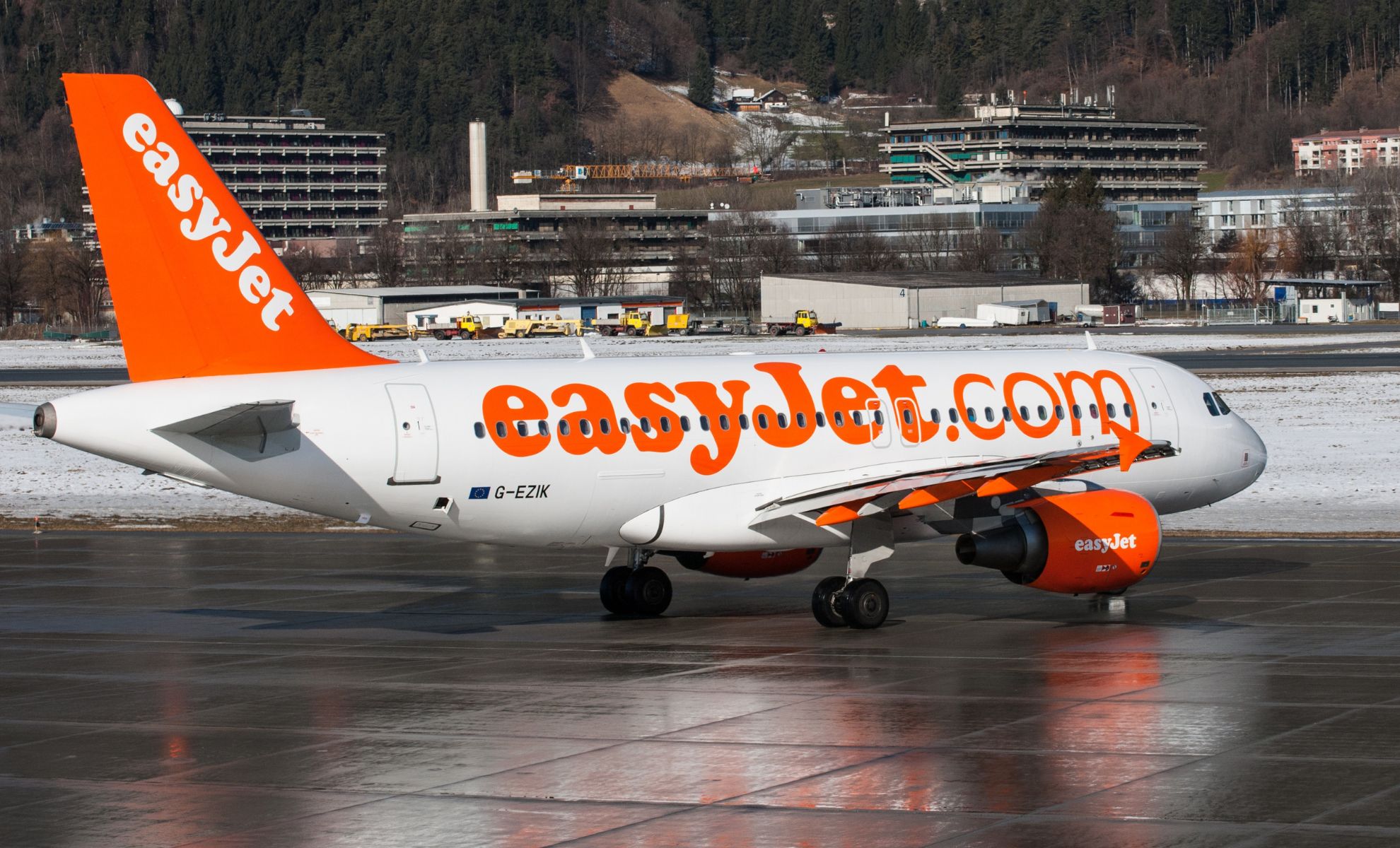
The British budget airline is removing between 600,000 and 700,000 additional seats from its winter 2026-27 program as it tries to limit the impact of persistently high jet fuel prices. The latest reduction comes on top of roughly 700,000 seats already removed earlier this year, bringing the total cut to around 1.3 million to 1.4 million seats.
For U.S. travelers, the changes matter even though easyJet does not fly across the Atlantic. The airline is widely used by Americans once they arrive in Europe, particularly for inexpensive trips between major cities, Mediterranean destinations and ski or beach markets that can be costly to reach on traditional network carriers.
Fewer Cheap Seats During Europe’s Winter Travel Season
EasyJet normally offers about 50 million seats between October and the end of March. The latest cuts are equivalent to roughly two full days of flying across the airline’s network.
The carrier has not announced one simple list of every flight affected, meaning travelers with winter bookings should check their individual itineraries rather than assume a specific airport or country is being targeted.
Schedule filings have already shown reductions and temporary suspensions on a number of European routes. The broader strategy is straightforward: easyJet wants to operate fewer flights during periods of weaker demand rather than burn increasingly expensive fuel on aircraft that may not be full.
That could make some of the cheapest intra-European fares harder to find, especially on days when frequencies are reduced.
Why Fuel Prices Are Forcing Airlines to Cut Back
Jet fuel prices surged following the conflict involving Iran and disruption around the Strait of Hormuz, one of the world’s most important energy shipping routes. Although prices have since eased from their peaks, they remain substantially higher than airlines had expected when planning their schedules.
Fuel is one of an airline’s largest expenses, and low-cost carriers are particularly dependent on keeping planes full and operating frequently. When fuel becomes dramatically more expensive, flying lightly booked services during winter can quickly become uneconomical.
EasyJet is not alone. Ryanair has also announced substantial winter capacity reductions, including cuts to quieter midweek and weekend flights, as European airlines try to protect margins.
For travelers, less capacity can have a simple consequence: fewer seats competing for the same demand.
What This Could Mean for Americans Traveling Around Europe
An American flying from New York to London, Paris or Amsterdam may still find the transatlantic portion of the trip unchanged, only to discover that the inexpensive onward flight they expected to book is no longer available or is operating less frequently.
That matters particularly for travelers who build European vacations using separate tickets. A reduced easyJet schedule could mean longer waits between flights, fewer same-day alternatives after a cancellation and more expensive last-minute options.
The cuts could also affect popular winter leisure trips, including Mediterranean escapes, Christmas-market weekends and ski vacations, where low-cost airlines play a major role in connecting secondary European cities.
Travelers who already know their dates may therefore have more reason than usual to book intra-European flights early rather than waiting for a last-minute fare.
The Bigger Concern Is What Happens to Airfares Next
According to the Financial Times, easyJet chief executive Kenton Jarvis said airlines across the industry are reducing capacity because of the cost of fuel, describing its persistence at elevated levels as a surprise for the sector.
The pressure may not end with this winter. Airline executives have increasingly warned that higher operating costs could eventually be passed on to passengers. Ryanair CEO Michael O’Leary has separately warned that elevated fuel prices could persist well into 2027 and potentially beyond.
That raises a bigger question for travelers: whether Europe’s era of ultra-cheap short-haul flights is entering a more difficult period.
Low-cost airlines are unlikely to disappear, and intense competition will continue to produce deals. But with carriers removing millions of seats and paying considerably more for fuel, the $20 or $30 flight that once seemed almost routine on some European routes may become harder to find.
Bottom Line
EasyJet’s latest move takes its total winter capacity reduction to as many as 1.4 million seats, a significant pullback even for one of Europe’s largest low-cost airlines.
For Americans heading to Europe this winter, there is no reason to panic or change a trip solely because of the announcement. But travelers relying on easyJet for part of a multi-city itinerary should check schedules carefully and avoid assuming that the same abundance of cheap flights will be available at the last minute.
The more important warning may be for 2027: if fuel prices remain elevated and airlines continue cutting capacity, traveling cheaply around Europe could become noticeably more expensive.
