 Luc Rongier -
3 days ago
Luc Rongier -
3 days ago In summary
• Riyadh airport shutdown is disrupting flights across Saudi Arabia and the Gulf.• Emirates has canceled Dubai links to Riyadh, Jeddah, and Dammam.
• U.S. travelers should check each leg and expect delays after reopening.
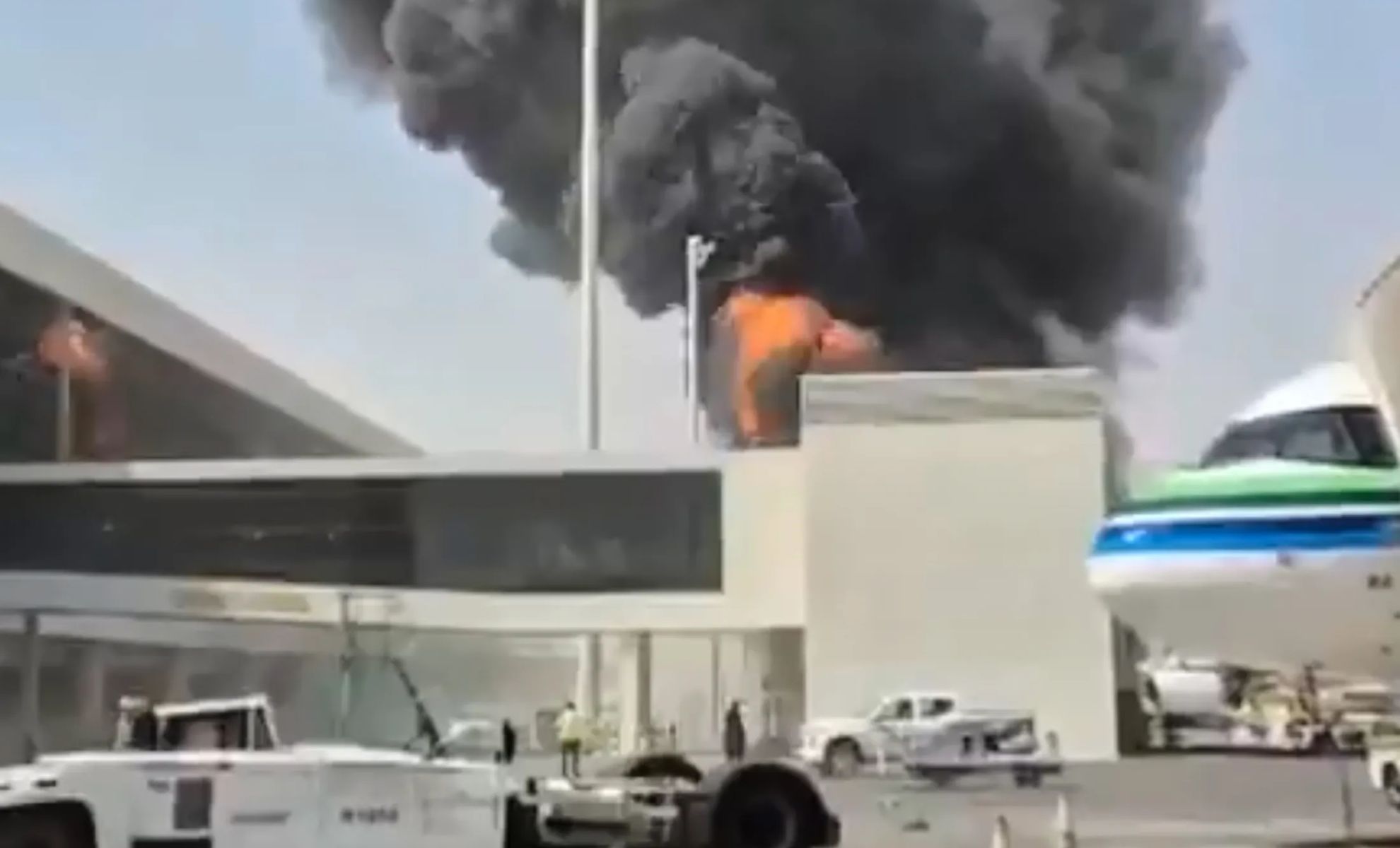
Travelers heading to Saudi Arabia or connecting through the Gulf are facing a widening wave of flight disruptions after an attack on Riyadh’s King Khalid International Airport forced authorities to suspend operations and airlines to cancel services across the region.
The airport shutdown was extended into October 11 as Saudi aviation authorities continued assessing damage and checking whether facilities were safe to reopen. Even when operations resume, travelers should not expect the airport to return immediately to normal capacity.
For U.S. passengers, the disruption matters well beyond Riyadh. Many Americans traveling to Saudi Arabia, the Middle East, South Asia and Africa rely on major Gulf carriers and connecting hubs such as Dubai, making cancellations in Saudi Arabia capable of disrupting itineraries far beyond the country itself.
Emirates Cancellations Spread Beyond Riyadh
Emirates has canceled multiple flights between Dubai and Saudi Arabia, with Riyadh, Jeddah and Dammam all affected.
The airline’s six listed daily services between Dubai and Riyadh were canceled for October 11 and 12, while flights to Jeddah and Dammam were also removed from the schedule on October 11. Some services were still planned for October 12, although schedules remained subject to change.
That is particularly relevant for U.S. travelers because Emirates serves several major American cities and carries large numbers of passengers through Dubai. A traveler flying from the United States to Saudi Arabia on a connecting itinerary could therefore face disruption even if the first leg from the U.S. operates normally.
Passengers with upcoming connections should check the status of every segment of their itinerary rather than assuming that reaching Dubai means the remainder of the trip will operate as planned.
Riyadh May Not Return to Normal Immediately
The suspension of flights is only part of the problem.
Aviation notices for Riyadh also indicate restrictions affecting airport infrastructure, including the closure of runway 15R/33L through October 20 and limitations on sections of taxiways. The available information does not establish that all of those restrictions were caused by the attack, but they could complicate efforts to restore full operations quickly.
In practical terms, an airport can technically reopen while still operating with reduced capacity. That can lead to delays, aircraft holding, schedule changes and further cancellations as airlines try to rebuild their networks.
Travelers scheduled to fly through Riyadh in the coming days should therefore treat any reopening announcement as the beginning of a recovery process rather than an immediate return to normal.
The Attack Has Also Hit Aviation Workers
The human toll has extended beyond passengers.
Among the 12 people reported killed in the October 10 attack was Azza Ramzi Mohamed Hassan, a 28-year-old flight attendant working for Saudi carrier flynas. She reportedly died from injuries sustained during the attack.
Her death underscores how disruptions at an airport can affect not only travelers but also the thousands of flight crews, ground workers and other aviation employees working inside the terminal and across airport facilities.
The attack also left hundreds injured, adding another layer of complexity to recovery efforts at one of Saudi Arabia’s most important aviation hubs.
What U.S. Travelers Should Do Now
Americans traveling to Saudi Arabia should confirm flight status directly with their airline before leaving for the airport and check whether their itinerary involves Riyadh, Jeddah or Dammam.
Travelers connecting through Dubai should also verify onward Saudi flights separately, particularly if flying Emirates. Those traveling on separate tickets face additional risk because one airline may not be responsible for rebooking a missed connection caused by disruption on another reservation.
It is also worth allowing extra time between connections and avoiding tight same-day itineraries where possible. Even after Riyadh reopens, reduced airport capacity and accumulated flight disruptions could take time to clear.
Passengers already affected should keep receipts for hotels, meals and ground transportation and contact their airline about rebooking or refund options.
