 Luc Rongier -
3 days ago
In summary
• Fake rental sites copy real listings and use live chat to steal card details.• Urgent warnings and lookalike domains make the scam seem legitimate.
• Use official apps, avoid outside links, and report card theft fast.
Holiday travelers are being warned about a new twist on vacation rental scams: fake booking sites that do not just copy legitimate listings, but also use live customer-support chats to convince people to hand over credit card details.
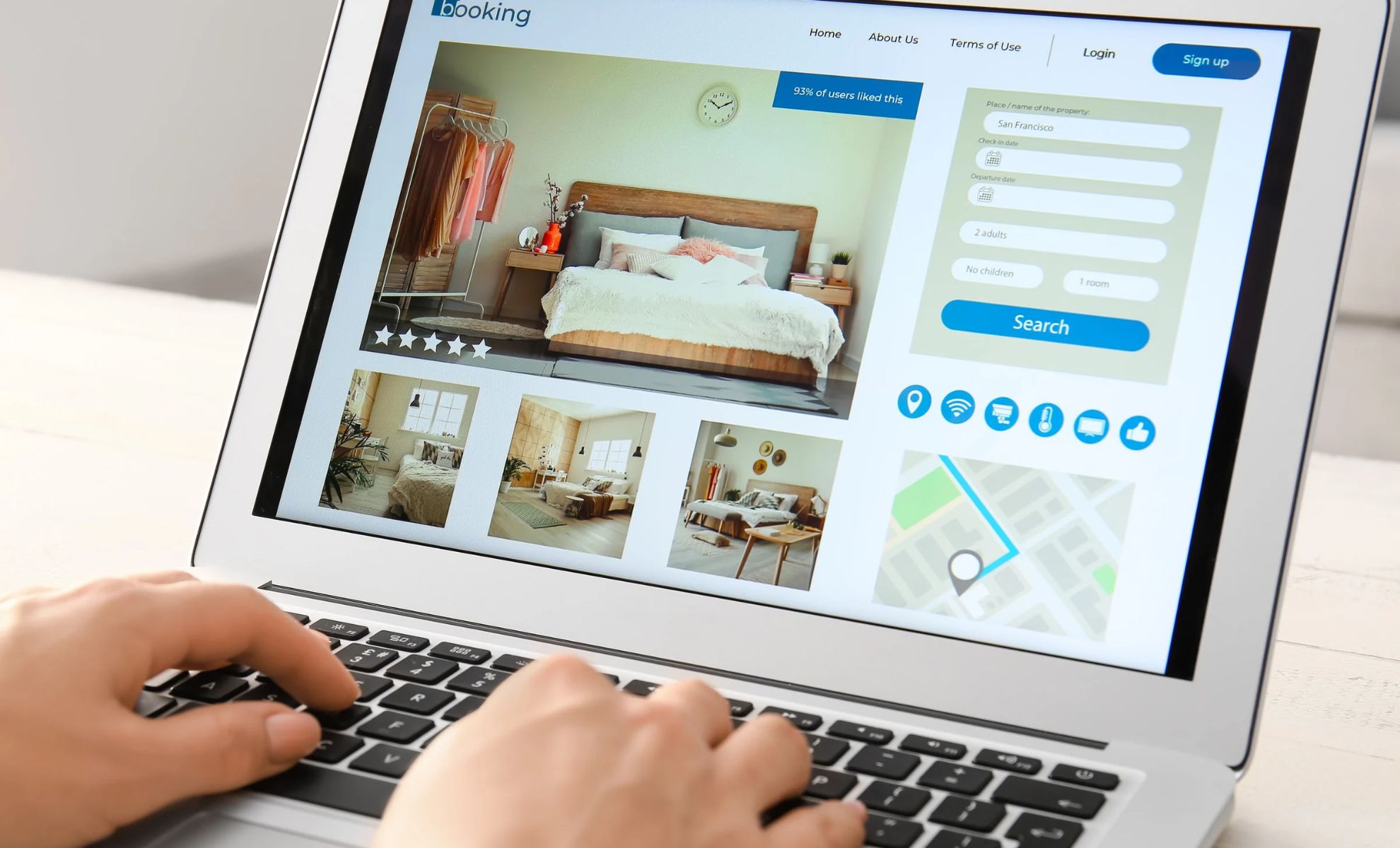
Cybersecurity researchers with Fortra’s Intelligence and Research Experts team recently uncovered fraudulent travel-booking websites designed to look like legitimate rental platforms. The pages copied real property photos, reviews, prices and familiar branding, making them difficult to distinguish from authentic booking sites at a glance. Some then displayed urgent warnings claiming a reservation was unconfirmed, a payment had failed or a booking would be canceled unless the traveler completed a verification step.
The Live Chat Is What Makes This Scam More Convincing
One of the most concerning examples included a credit card form alongside what appeared to be a functioning customer-service chat. When visitors questioned why they needed to provide payment details, the chat reassured them that the card would not be charged and described the request as a routine security check.
That reassurance was designed to lower suspicion and encourage travelers to submit their card information. Researchers did not determine whether the chat was operated by a person or an automated system, but either way, it was part of the fraudulent booking process.
Other fake pages asked for names, email addresses, phone numbers and login credentials. That creates risks beyond credit card fraud because stolen account details can be reused in follow-up phishing attacks or attempts to take over other accounts, especially when travelers reuse the same password across multiple services.
The Fake Sites Can Look Almost Identical to the Real Thing
The scam works because the pages do not necessarily look cheap or obviously suspicious. Criminals can copy legitimate property listings, host names, reviews and photographs from real rental platforms, then recreate the surrounding booking interface on a lookalike website.
A professional design is therefore no longer proof that a booking page is legitimate. Even a padlock symbol in the browser only means the connection to the website is encrypted; it does not prove that the company behind the site is genuine.
Travelers should pay particular attention to the web address. Fake domains can add extra words, misspell a brand name slightly or use an unrelated address while displaying logos from a familiar company. The Better Business Bureau also warns that scammers sometimes direct travelers away from established rental platforms and toward outside websites where the fraudulent payment takes place.
Urgency Is One of the Biggest Red Flags
The fake pages identified by researchers used messages such as « Your reservation is unconfirmed », « Complete verification to continue » and « Your booking will be canceled ». Others claimed that a special price was available only for a limited time.
That pressure is deliberate. A traveler who has already booked flights or made other plans may be more likely to act quickly when told their accommodation is suddenly at risk. During busy holiday periods, that sense of urgency can make the scam even more effective.
If a message says a booking will disappear unless you immediately enter payment or personal information, the safest move is to stop and check the reservation through the official app or website rather than following the link provided in the message.
Travelers Should Go Back to the Official App Before Paying Anything
If you use Airbnb, Vrbo or another major rental platform, open the official app yourself or type the known website address directly into your browser. Do not rely on unexpected links sent by email, text message or a host asking you to complete payment elsewhere.
Travelers can also search the property address independently, compare the listing with other reputable sites and look for inconsistencies in the price, host details or photos. Reverse-image searches can sometimes reveal that photographs have been copied, although matching photos alone do not prove a listing is legitimate because scammers often steal images from real properties.
Payment methods matter too. Credit cards generally provide stronger dispute protections than wire transfers, cryptocurrency or gift cards. Requests to use those harder-to-reverse payment methods should be treated as a major warning sign.
If You Entered Your Card Details, Act Quickly
Anyone who believes they entered payment information on a fraudulent site should contact the card issuer immediately using the phone number on the back of the card or the bank’s official app. It may be necessary to replace the card even if no fraudulent charge has appeared yet.
Travelers who entered a password should change it on the legitimate booking platform and anywhere else the same password was used. Two-factor authentication should also be enabled where available. If sensitive identity information was submitted, monitoring financial accounts and credit reports becomes especially important.
Fortra says the fraudulent sites its researchers identified were remediated, but it did not disclose how many people may have encountered them or whether any confirmed financial losses resulted.
The larger lesson is simple: a convincing listing, familiar logo and responsive customer-service chat are no longer enough to prove that a vacation rental website is real. During the holiday booking rush, travelers may need to verify the website itself before trusting anyone offering to “help.”
