 Luc Rongier -
1 day ago
In summary
• Two high-speed trains collided near Toledo, killing at least 68.• Over 500 passengers were aboard; rescue teams are still working.
• Madrid-Andalusia rail service is suspended while investigators probe.
At least 68 people have been killed and dozens more injured after two high-speed trains collided in central Spain on Wednesday morning, shutting down one of the country’s busiest rail corridors and triggering a major emergency response.
The crash happened at 8:54 a.m. near Urda, in the province of Toledo, on the high-speed line linking Madrid with Seville. The collision involved a Renfe train and an Iryo service, with more than 500 passengers aboard the two trains combined.
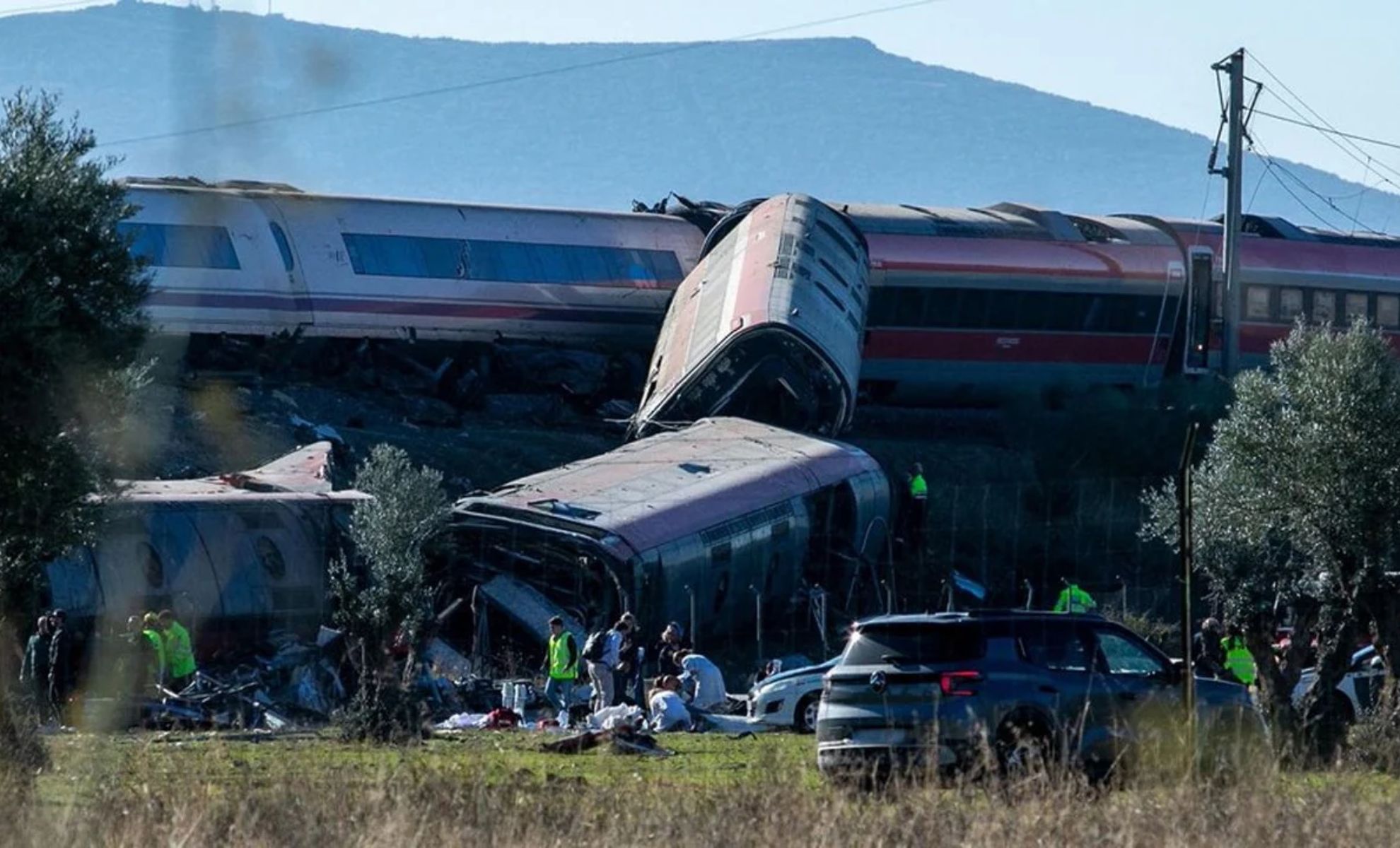
According to Euronews, two rear cars of the Iryo train derailed after the collision, with at least one carriage badly damaged along an embankment. Emergency crews, firefighters, Civil Guard officers and medical teams were deployed to the scene as rescuers worked to reach passengers trapped in the most heavily damaged sections.
More Than 500 Passengers Were on Board as Rescue Crews Rushed to Reach the Worst-Hit Cars
The Renfe service was carrying 397 passengers, while the Iryo train had 147 people on board, according to figures reported by Euronews.
Authorities initially confirmed at least 68 deaths, but officials warned that the toll could rise as rescue operations continued. Injured passengers were transported to nearby hospitals, while an advanced medical post was established close to the crash site.
A regional government spokeswoman told local media that « the information we are receiving is not good at all », adding that the number of fatalities could increase.
Images from the scene showed badly damaged rail cars, twisted metal and emergency personnel surrounding both trains in a rural area south of Madrid.
The cause of the collision remains unknown.
Rail Travel Between Madrid and Southern Spain Has Been Suspended in Both Directions
The impact extends well beyond the crash site.
Spain’s rail infrastructure manager, Adif, suspended high-speed services in both directions between Madrid and Andalusia following the accident. That affects one of Spain’s most important tourist corridors, used heavily by travelers heading between the capital and cities such as Seville, Córdoba and Málaga.
Renfe said passengers affected by the disruption between Madrid, Ciudad Real and Andalusia can request ticket changes or cancellations without additional charges.
For American travelers currently visiting Spain, the most important advice is to check train status before heading to the station, particularly for trips south from Madrid. Travelers with same-day hotel reservations, tours or flights connected to a rail journey may also want to contact providers directly as delays and cancellations continue.
The disruption could remain significant while investigators work at the scene and damaged infrastructure is inspected.
Spain Is Facing Its Second Major Rail Disaster of 2026
The October 28 crash comes only months after another deadly rail accident in southern Spain in January, which killed dozens of people.
That earlier disaster had already renewed scrutiny of safety across Spain’s extensive high-speed rail network. Wednesday’s collision is likely to intensify that debate, although there is currently no confirmed evidence indicating what caused the latest crash.
Euronews reported that Spain’s Prime Minister Pedro Sánchez cancelled his scheduled engagements after the accident and remained in contact with transportation officials and regional authorities.
Emergency teams were still working through the wreckage as officials gathered more information about the number of victims and the sequence of events leading up to the collision.
For now, travelers should expect continued disruption on high-speed rail services between Madrid and southern Spain.
The immediate priority remains the rescue operation, but for visitors already moving through the country, one of Spain’s most important rail routes is now effectively cut off while authorities investigate one of the country’s deadliest transportation incidents of the year.
