
Summary:
- A 15-day loop from Bergen with a pace that stays enjoyable
- Coastal stops that don’t feel overcrowded, plus the fjords you came for
- What to know about ferries, seasonal roads, and unpredictable weather
- A clear budget table and simple ways to keep costs under control
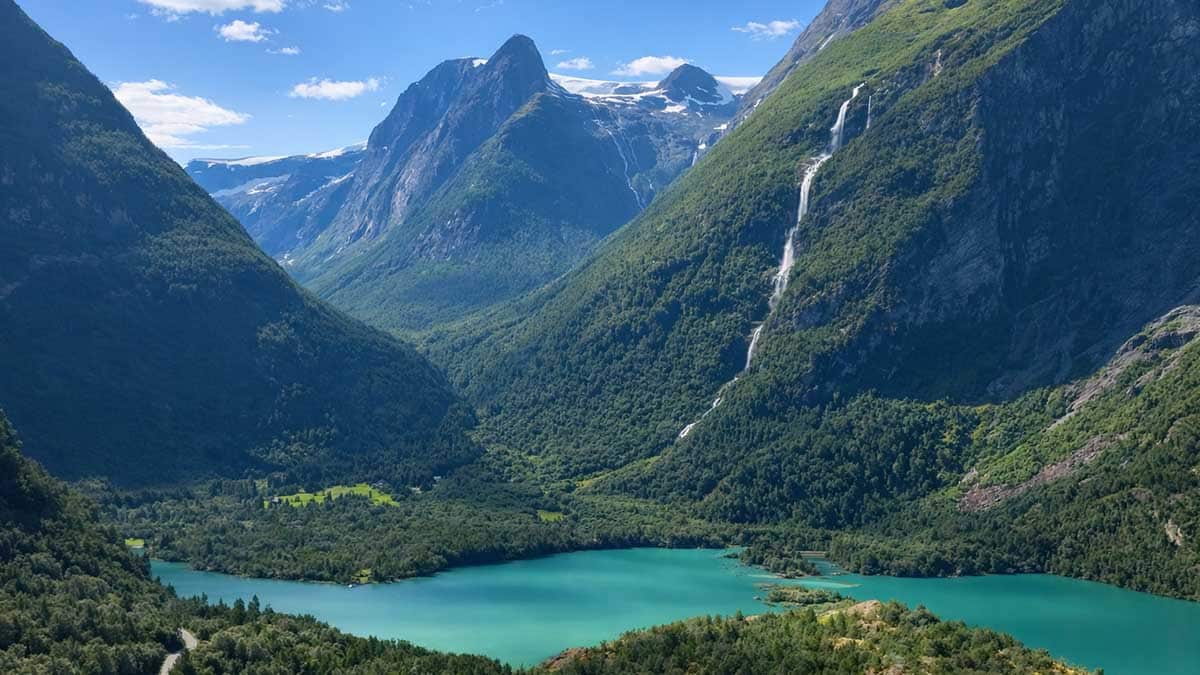
There’s a moment in western Norway that happens to almost everyone. You’re driving, you think you’ve just seen the best view of the day, and five minutes later the road turns and the landscape gets even better. A lake turns mint-green, a waterfall appears out of the cliff, and suddenly you’re on the shoulder again, laughing at how many “quick stops” you’ve already made.
If you have 15 days, starting and ending in Bergen is one of the easiest ways to build a trip that makes sense. It gives you a clear route, but it also leaves space for what Norway does best: weather that changes the mood in minutes, unexpected detours, and slow mornings that turn into perfect days. This itinerary mixes the famous fjords with a few quieter coastal corners, so the scenery keeps evolving instead of repeating.
The Bergen loop in 15 days, without burnout
This route works best counterclockwise. You begin with the coast, then move inland toward glaciers and deeper fjords, before looping back through the Sognefjord region and returning to Bergen.
The trip, broken down by moods
- Days 1 to 2: Bergen, then the wild coast (beaches and lighthouses)
- Days 3 to 5: Glaciers and unreal lakes (Loen, Olden, Briksdal)
- Days 6 to 7: Geirangerfjord and Trollstigen (the famous duo)
- Days 8 to 10: Big roads, big landscapes (Sognefjellet)
- Days 11 to 13: Aurland and Nærøyfjord (villages and viewpoints)
- Days 14 to 15: Waterfalls and an easy return to Bergen
If you’d rather slow down, turn the loop into three bases and explore around them: Loen, Geiranger, and Aurland. It’s the same trip, just calmer.
Three versions of Norway you should experience (so everything doesn’t blur together)
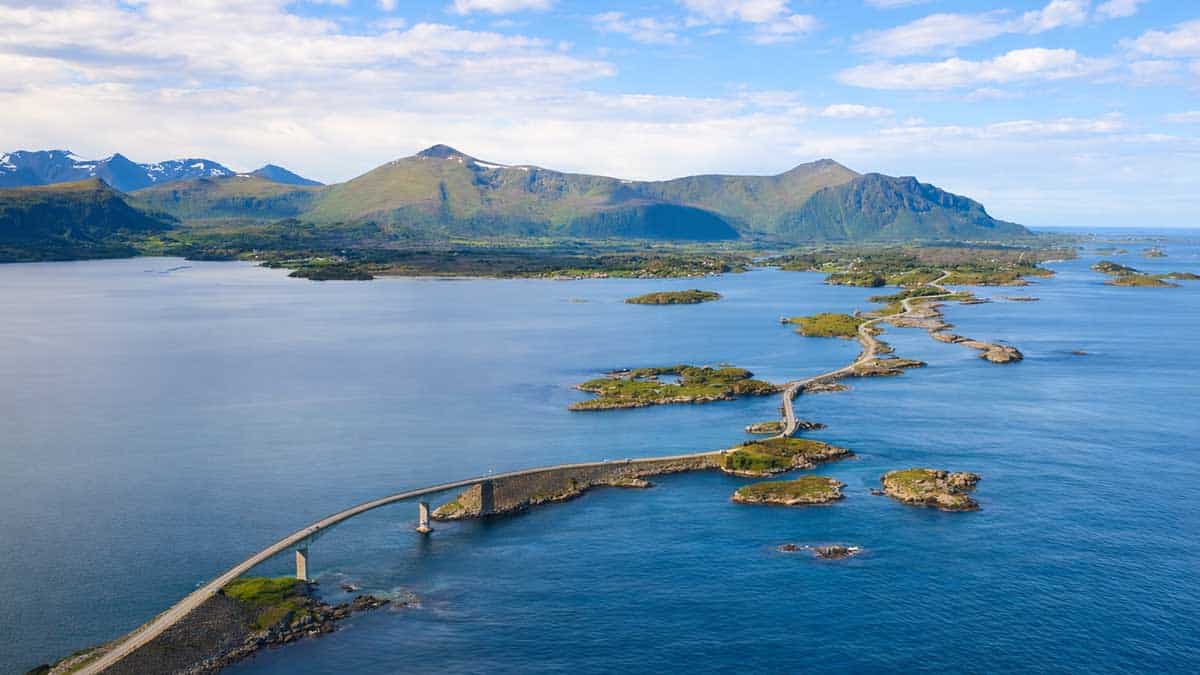
It’s easy to plan a fjord trip where every day looks nice, but also kind of similar. The trick is to alternate coast, ice, and deep fjords, because that’s when Norway feels varied and alive.
The coast: beaches that look out of place in Norway
The Bremanger area is where people usually say, “Wait, this is Norway?” On a clear day, the water turns bright, and the beaches look almost too clean to be real.
Put these on your list:
- Grotlesanden: white sand and dark mountains, a classic
- Krakenes Fyr: lighthouse on rugged cliffs, often windy in the best way
- Refviksanden: wide and peaceful, perfect for a long walk
If you hit this area early in your trip, it sets the tone. Norway isn’t just fjords, it’s also coastline and salt air, plus that feeling of being very small in front of the ocean.
Glaciers and lakes: the “how is this colour real?” section
This is where the palette changes. Lakes become turquoise, rivers look milky from glacier melt, and the air feels colder and sharper. Even short hikes give you scenery you’d expect after a full-day trek.
Stops that feel worth the time:
- Briksdalsbreen: a scenic trail with waterfalls and glacier views
- Oldevatnet and Lovatnet: two lakes that don’t photograph badly
- Bøyabreen: a glacier tongue you can admire without a huge hike
A small heads-up: glaciers are powerful, but they’re also fragile. Even if you’re not here for “climate talk”, seeing them up close adds perspective, and it stays with you.
The classics: yes, they’re popular, and yes, they’re still impressive
Geiranger and Trollstigen get the crowds because they’re genuinely spectacular. The only downside is timing, so it helps to go early or late, when the place feels calmer and the light is better.
The best viewpoints to aim for:
- Flydalsjuvet: iconic for a reason, and still a jaw-dropper
- Ørnesvingen: wider view, strong sense of depth
- Trollstigen platforms: the road below looks unreal, like someone drew it
The practical stuff that matters (roads, ferries, and timing)
Norway isn’t complicated, but it does have a few rules of the game. Once you understand them, the trip becomes easy to manage, even if the weather changes your plans.
When to go
- May to mid-June: long daylight, fewer people, cooler air
- Late June to August: warmest, busiest, priciest
- September: calmer, gorgeous light, but moody weather
Some roads depend on season
A few of the most scenic routes are high-altitude roads. Depending on the year, they can be closed or limited outside summer, so you shouldn’t build your whole day around them without checking.
Routes that often depend on conditions:
- Sognefjellet (Route 55)
- Aurlandsfjellet
- High-altitude detours near Geiranger
If you’re planning a big detour, always check road conditions first. It can save you a frustrating backtrack, and it can also save you a wasted afternoon.
Ferries: think of them as part of the road
In western Norway, ferries are normal. They’re usually frequent and efficient, but they can still shape your day if you’re tight on time.
Simple ferry habits that help:
- In peak season, arrive early so you don’t get stuck waiting.
- Follow dock instructions and keep payment ready.
- Avoid a schedule where missing one crossing ruins the whole day.
Most of the time, ferries don’t feel like logistics. They feel like a quiet pause with a view, and you’ll probably end up taking photos without meaning to.
Budget: what you’ll actually spend (and what makes the total jump)
Norway has a reputation for being expensive, and it is. The good news is that it’s not unpredictable, especially once you decide how you want to sleep and how often you’ll eat out.
Typical daily costs (per person)
| Category | Budget style | Mid-range | Comfort |
| Food | $25 to $40 | $40 to $70 | $70+ |
| Transport (share of car, fuel, tolls, ferries) | $20 to $35 | $35 to $55 | $55+ |
| Accommodation | $35 to $70 | $70 to $130 | $130+ |
| Activities | $0 to $15 | $15 to $40 | $40+ |
Ways to spend less without feeling restricted
Alternate cabins and campings instead of hotels every night, and use supermarkets like REMA 1000 or Kiwi for most meals. Keep restaurants for a few special dinners, then build your best days around free highlights like viewpoints, beaches, and short hikes.
Also, don’t rush. Tight schedules quietly cost more, in fuel, stress, and last-minute choices. If you rent a campervan, you gain freedom, but your costs shift. You’ll pay more in fuel and camping fees, and less in accommodation.
What to pack so you’re comfortable (not overpacked)
Western Norway can feel like four seasons in a day. Packing becomes simple once you accept one thing: layers beat outfits, every time.
The essentials
- Waterproof jacket and a warm mid-layer
- Comfortable walking shoes
- Small daypack and reusable bottle
- Offline maps (signal can drop on some stretches)
- Quick-dry towel and swimsuit
And yes, the swimsuit matters. People dip in cold fjord water all the time. You may tell yourself you won’t, and then you will.
A fjord road trip isn’t about collecting famous names. It’s about rhythm, a beach day, then a glacier trail, then a ferry crossing at sunset, then a viewpoint that steals your attention for an hour.Start in Bergen, follow a loop that flows, and keep enough empty space for the moments you didn’t plan. That’s when Norway feels unforgettable, and that’s when the trip starts living in your head long after you’ve left.