Show summary Hide summary
Summary:
- Three days are enough to understand Amsterdam, not to exhaust it.
- The city works best when explored on foot or by bike, without strict schedules.
- Choosing a few neighborhoods matters more than stacking attractions.
- Everyday moments often leave stronger memories than landmarks.
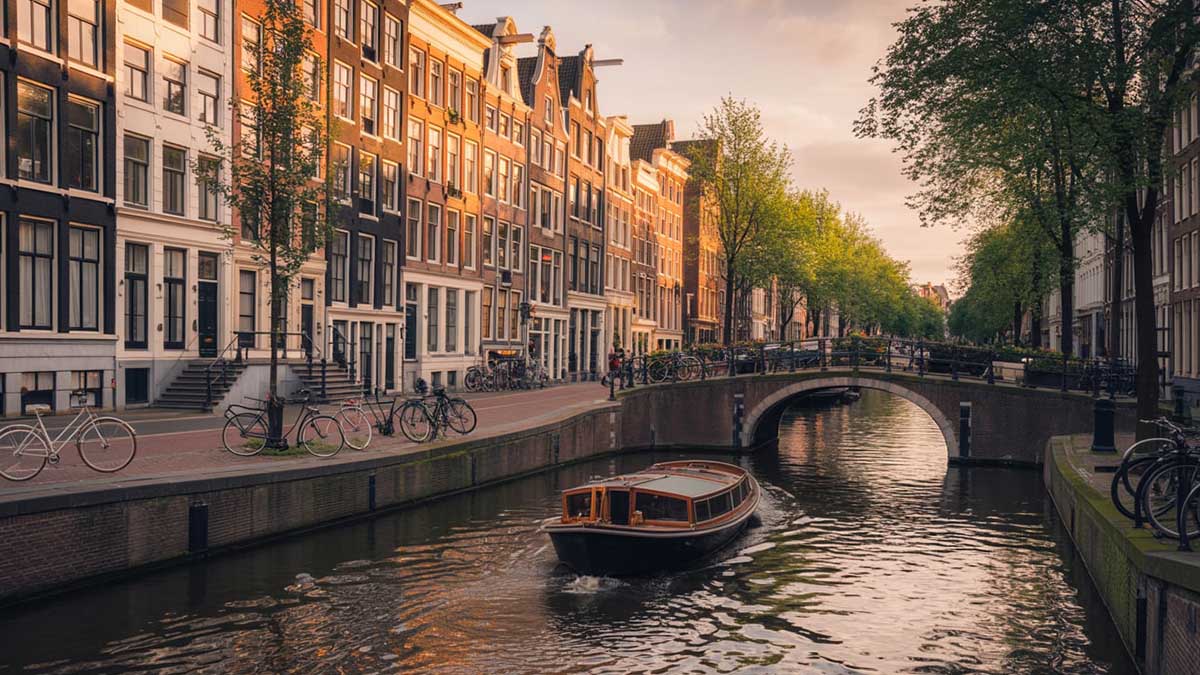
Three days in Amsterdam can feel surprisingly balanced, as long as you stop trying to see everything. The city is compact, easy to navigate, and designed for slow movement. Canals, cafés, museums, and residential streets naturally connect, without long commutes or complex planning.
This itinerary is built for travelers who want to experience the city rather than consume it. It mixes cultural visits, walkable neighborhoods, and unplanned moments, leaving enough space to breathe. No rushed schedules, no constant decisions. Just a simple way to move through Amsterdam and let the city unfold.
Bhutan: the country that quietly slows you down (and you’ll thank it for)
Europe in 2026: the trips worth planning around real dates
Day one: letting Amsterdam set the pace
The first day is not about highlights. It’s about settling in and understanding how the city feels.
Jordaan, where Amsterdam feels close
Jordaan is one of those neighborhoods where nothing demands attention, yet everything holds it. Narrow streets, quiet canals, cafés that feel local rather than trendy, and a steady rhythm that makes walking feel natural.
Moving through Jordaan helps recalibrate expectations. Amsterdam isn’t monumental or overwhelming. It’s intimate and walkable. Distances stay short, and wandering without a plan quickly becomes comfortable.
Traveler’s note
If possible, start early. Mornings in Jordaan are calm and almost residential, offering a very different atmosphere than later in the day.
A historical stop that adds perspective
The Anne Frank House is not an easy visit, and it shouldn’t be. Beyond its popularity, it provides essential historical context about Amsterdam during World War II and the realities behind a story many people already know in theory.
Tickets must be booked well in advance. If entry isn’t possible, walking through the Jewish Quarter still deepens your understanding of this part of the city’s history.
An evening walk, nothing more
As daylight fades, the historic center becomes livelier. There’s no need for a plan. Walking, observing, then moving on is enough. Amsterdam doesn’t require attention. It offers it quietly.
Day two: culture, movement, everyday life
This day naturally combines museums with the way people actually live and move in the city.
Choosing one museum, not five
Amsterdam’s Museum Quarter can feel dense. Seeing everything isn’t the goal.
| Museum | What it offers | Time to plan |
| Van Gogh Museum | Personal insight into the artist’s work | Around 2 hours |
| Moco Museum | A compact, contemporary approach | 1 to 1.5 hours |
| Rijksmuseum | Dutch history and major artworks | 2 to 3 hours |
Choose what genuinely interests you. Enjoying one museum is far more satisfying than rushing through several.
Seeing Amsterdam the local way
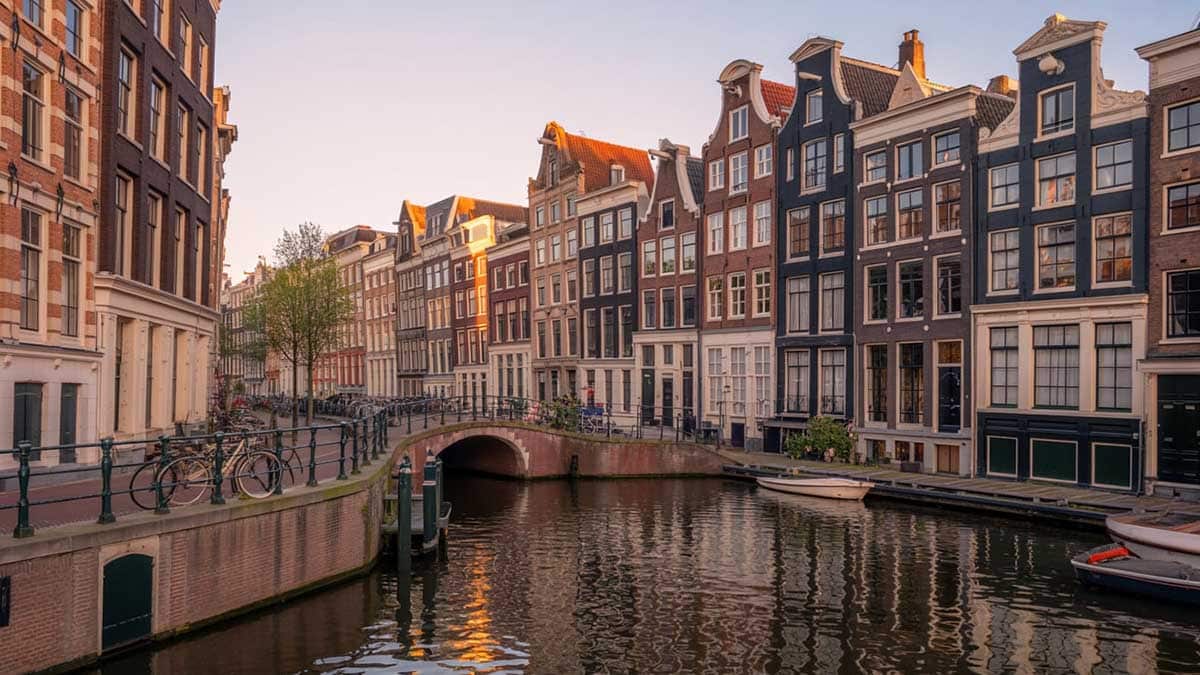
Cycling isn’t an activity here. It’s how people move. Renting a bike reshapes how the city feels. Distances shrink, neighborhoods connect, and movement becomes fluid.
Bike lanes are clear and widely respected. Stay attentive and predictable. Once you settle in, cycling feels natural, not stressful.
Eating without ceremony
Amsterdam keeps food simple. People eat quickly and casually, often between activities.
You’ll notice locals grabbing:
- Fries in paper cones, usually with one favorite sauce.
- Bitterballen, especially in the late afternoon.
- Snacks from automated counters like FEBO, practical and unpretentious.
These moments aren’t about food culture as a concept. They’re simply part of daily life.
Day three: quieter streets and loose plans
The final day works best when you leave room for curiosity instead of scheduling.
A brewery visit, or something calmer
The Heineken Experience is accessible and well designed, even for those not especially interested in beer. It combines brand history, interactive spaces, and tastings without taking itself too seriously.
If that’s not appealing, alternatives are easy to find:
- A canal cruise for a different view of the city.
- Small galleries near Spiegelgracht.
- Independent shops where browsing feels relaxed.
Spiegelgracht, understated and calm
Spiegelgracht sits close to major museums but feels removed from crowds. Art dealers, antique shops, and quiet canals give the area a discreet charm.
It’s a place to slow down, walk without purpose, and let the city fade into the background for a while.
Ending without a plan
Reynisfjara right now: what changed on Iceland’s black sand beach
Europe’s 2026 travel shortlist: Madeira, Tbilisi, Milan, Glasgow
Some of the strongest memories come from unplanned moments:
- Sitting by a canal with a coffee.
- Watching the light change at the end of the day.
- Picking up something simple from a local bakery.
Amsterdam doesn’t need a big closing act.Amsterdam isn’t a city that rewards speed. Three days are enough if you let go of the urge to see everything. Focus on a few neighborhoods, choose visits carefully, and leave space for everyday moments. That’s when the city starts to make sense.