Show summary Hide summary
Summary:
- Brussels is getting a major cultural boost with KANAL – Centre Pompidou opening in late 2026.
- Seville stays one of Europe’s best “slow cities” for sun, food, and late nights.
- Prague is perfect if you want beauty without stress, especially outside peak hours.
- The Albanian Riviera still offers clear water and freedom compared to many Mediterranean coasts.
- Malta is a compact mix of history and sea, with easy day trips to Gozo.
- Cappadocia is about more than balloons, with hikes, valleys, and cave stays.
- Lapland delivers a true winter reset, with snow forests and outdoor adventures.
- The Carpathians are a quieter mountain alternative for hiking and nature.
You could book Rome, Barcelona, or Amsterdam again and still have an amazing time. But in 2026, more travelers are looking for a slightly different kind of Europe: places where you can walk without crowds, eat well without planning your day like a military operation, and still feel that deep “I’m away” sensation without flying across the world.
That’s the spirit of this list. These are eight destinations that make sense right now, not because they’re “secret,” but because they’re evolving, staying surprisingly livable, or offering a rare mix of culture, coast, and nature. Think of it as a shortlist for trips that feel like a real escape, not just a checklist.
Bhutan: the country that quietly slows you down (and you’ll thank it for)
Europe in 2026: the trips worth planning around real dates
1) Three city breaks that don’t feel like “just sightseeing”
Brussels: the capital people skip… until they stay
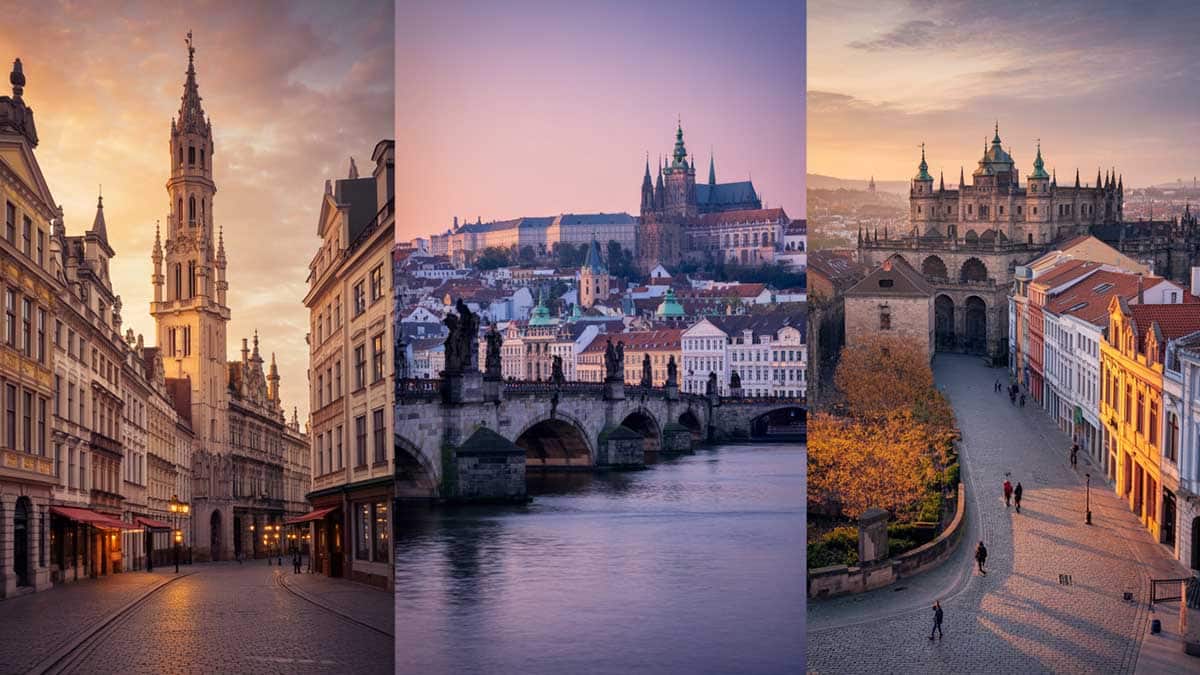
Brussels has spent years being treated like a stopover. But if you give it a real weekend, it’s one of those cities that rewards curiosity: Art Nouveau façades, neighborhoods that shift mood every few blocks, and cafés that feel effortlessly local.
In late 2026, the city also gets a strong cultural moment with the planned opening of KANAL – Centre Pompidou. It’s the kind of project that brings exhibitions, visitors, and a fresh sense of movement. If you’ve been waiting for a reason to take Brussels seriously, this is it.
Where to stay (simple and effective):
- City center for convenience and first-time visits
- Sablon for galleries and great restaurants
- Saint-Gilles for a more creative, neighborhood vibe
Seville: warm light, slow evenings, and easy charm
Seville is the kind of place that makes you slow down without trying. You can spend the morning on big landmarks, and then lose track of time just wandering through streets that seem made for golden hour.
The essentials are worth it: the cathedral, Plaza de España, patios hidden behind quiet doors. Add flamenco nights, late tapas, and festivals like Semana Santa or Feria de Abril, and Seville becomes a city you feel, not just visit.
Two bases that always work:
- Santa Cruz for pure postcard charm
- Triana for a more local feel, especially at night
Prague: yes, it’s stunning… but the magic happens off-script
Prague is famous for its postcard views, and it deserves the attention. But the best Prague isn’t rushed. It’s the one where you do the obvious things early, then give yourself time to wander.
Cross Charles Bridge at sunrise, save the Castle for late afternoon, then disappear into quieter streets and cafés. The city shines when you combine iconic beauty with small unplanned moments.
2) Turquoise water without the “peak-season machine”: Albania and Malta
The Albanian Riviera: the Mediterranean with room to breathe
If you’ve ever arrived at a gorgeous beach and felt like everything was booked, crowded, or overpriced, the Albanian Riviera can feel like a reset. It isn’t “undiscovered,” but it still offers something rare: space.
The coastline is dramatic, the water is clear, and the value can be excellent compared with more established Mediterranean destinations. You can do beach days, short hikes, and cultural stops without turning your trip into a logistics headache.
Where to go depending on your vibe:
- Ksamil for bright water and an island feel
- Dhërmi for scenery and long beach days
- Jale and Nartë for calmer coves
- Saranda for a lively base and easy transport
Malta: small island, very full days
Malta is ideal if you want sea time and history in the same trip, without driving for hours. You can explore Valletta in the morning and swim in the afternoon, all with a relaxed pace.
For a calmer rhythm, add Gozo, which feels greener and slower while still being close. Malta is compact, but it can feel surprisingly varied depending on where you base yourself.
Best bases to consider:
- Valletta for atmosphere and walkability
- Sliema for practicality and easy transport
- St. Julian’s for nightlife
3) Big landscapes and strong contrast: Cappadocia, Lapland, the Carpathians
Cappadocia: it’s not just hot air balloons
Yes, the sunrise balloon flights are unforgettable. But Cappadocia is really about the whole landscape: volcanic valleys, underground cities, cave hotels, and hikes that feel like you’ve stepped onto another planet.
If you stay three days, don’t over-plan. The trip works best when you let it breathe and keep the pace human.
A simple 3-day rhythm:
- One sunrise experience
- One long valley hike
- One underground city visit
- One slow evening meal in a cave setting
Lapland: winter the way winter should feel
Nobody can promise northern lights, but Lapland doesn’t need them to be unforgettable. The real magic is the winter itself: snow forests, frozen lakes, sauna culture, and outdoor adventures that reset your brain.
If you want a quieter experience, look beyond the most famous resort hubs. The best Lapland trips often happen when you choose a base near national parks and spend your days outside.
What to try once you’re there:
- Dog sledding and snowshoe hikes
- A sauna session followed by a cold plunge
- A night in a cabin far from city lights
The Carpathians: Europe’s mountain escape for people who hate crowds
The Carpathians are the opposite of polished alpine tourism. You come for hiking, forests, wildlife, and the feeling that nature still has space.
It’s a great region for travelers who want mountains without the “curated” vibe. If you like simple guesthouses, long trails, and real silence, this is a strong pick.
4) Quick decision table: season, budget, and vibe
| Destination | Best season | Best for | Budget | Why it’s a good 2026 pick |
| Brussels | Mar–May / Sep–Nov | Culture, food, weekends | Mid | Big cultural boost in late 2026 |
| Seville | Mar–May / Oct | Sun + heritage | Mid | Atmosphere, festivals, nightlife |
| Prague | Spring / early fall | Walking + cafés | Mid | Iconic but easy to enjoy calmly |
| Albanian Riviera | Jun–Sep | Beach + road trip | Low–Mid | Turquoise water, more freedom |
| Malta | Apr–Jun / Sep–Oct | Sea + history | Mid | Compact and easy to combine |
| Cappadocia | Apr–Jun / Sep–Oct | Landscapes + hikes | Mid | Unique scenery and stays |
| Lapland | Dec–Mar | Winter adventure | High | Strong contrast and outdoor life |
| Carpathians | May–Oct | Hiking + nature | Low | Wilder mountain feel |
Reynisfjara right now: what changed on Iceland’s black sand beach
Europe’s 2026 travel shortlist: Madeira, Tbilisi, Milan, Glasgow
The best European trip in 2026 isn’t necessarily the most famous one. It’s the one that fits how you want to travel right now.
Want culture and food without rushing? Choose Brussels, Seville, or Prague. Want turquoise water without constant compromise? Go for Albania or Malta. Want a trip that feels truly different? Cappadocia, Lapland, or the Carpathians. Pick your mood, then let the place do the rest.