Show summary Hide summary
Summary:
- The essentials for planning responsible travel in Fiji.
- When to visit for good weather without heavy crowds.
- Low impact activities, from reefs to villages.
- Where to eat and stay to support local communities.
- Smart ways to move between the islands.
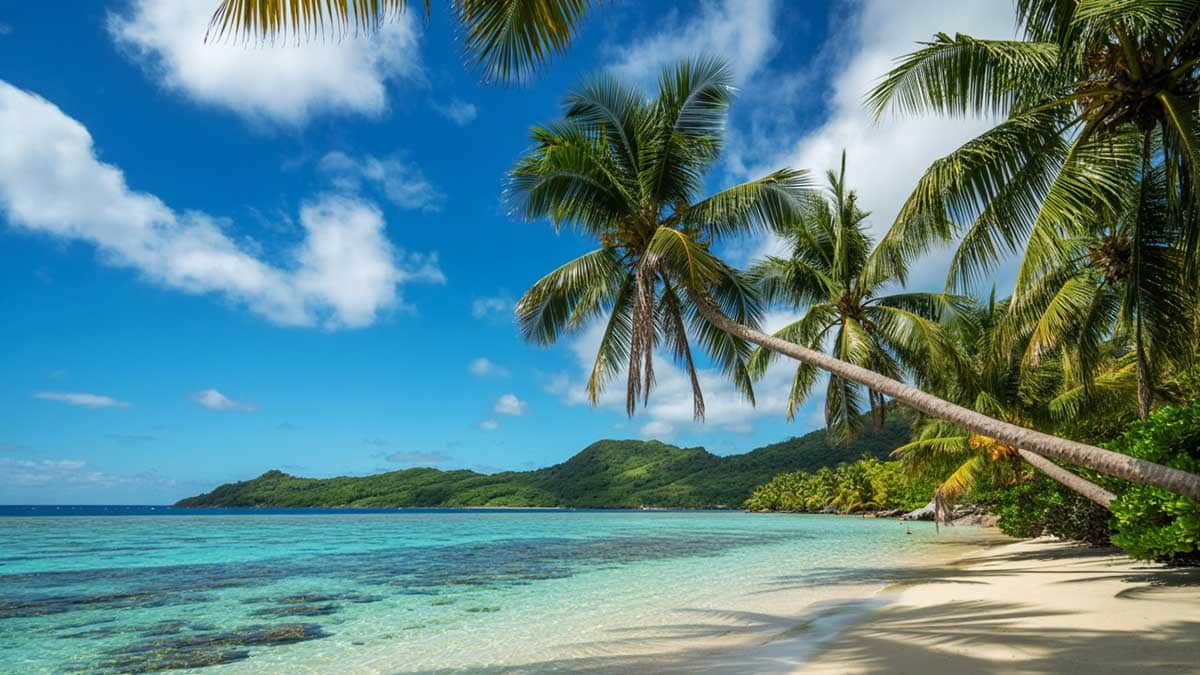
Fiji often sits in people’s imagination as a simple postcard with turquoise water and soft sand. Yet behind this idyllic first impression, the islands are quietly adapting to protect what makes them special. Coral bleaching, tropical weather patterns and rising visitor numbers have encouraged many operators to welcome travelers differently. You still hear the warm bula, but now it often comes with an invitation to slow down and understand the place you are stepping into.
For travelers, this shift opens the door to a more grounded experience. You can swim above a growing rescue reef, taste food sourced steps from the ocean or share a kava ceremony in a village that manages its own lagoon. This guide walks you through how responsible travel unfolds here in real life, from the best time to visit to the most meaningful activities and stays. Let’s dive in.
Bhutan: the country that quietly slows you down (and you’ll thank it for)
Europe in 2026: the trips worth planning around real dates
Fiji’s move toward responsible tourism
Fiji’s geography shapes the way people live. Scattered across more than 300 islands, many communities rely on the ocean as their main source of food and connection. Tourism supports a large part of the economy, but it can also strain reefs and freshwater.
Instead of closing the door to visitors, many resorts and villages now invite them to participate. Projects like BULA Reef, coral nurseries or mangrove planting show how the islands care for their surroundings. Guided visits often happen only once a week so the coral can recover, and underwater structures help new fragments grow. Your presence matters when you choose operators that explain clearly how they support these efforts and when you use reef safe sunscreen or follow simple rules in the water.
What this means for you
- Activities may be limited to set days to protect delicate areas.
- A part of your fee often supports reef restoration or community projects.
- Your choices have a visible, positive impact.
When to go and how to plan a low impact trip
Fiji stays warm all year, but each season brings a different mood. Understanding the rhythm of the islands helps avoid surprises and reduces pressure on popular spots.
Typical weather patterns
| Period | Weather feel | Advantages | Things to note |
| May to October | Drier and cooler | Clear visibility for diving, steady weather | Higher prices and more visitors |
| November to April | Warmer, wetter | Lush landscapes and calmer beaches | Heavy rain and storms possible |
| Early December (outside holidays) | Warm and clear | Good balance of weather and prices | Plan ahead to avoid festive peaks |
Shoulder months like May, June, September and early October often offer bright days without overwhelming crowds. When choosing accommodation, look for places that detail their practices, whether it is solar energy, water saving systems or involvement in marine reserves. Transparency is usually a promising sign.
What to do: reefs, villages and slow adventures
Responsible travel in Fiji is not about doing less, but choosing experiences that respect the pace of island life.
See the reefs up close, the right way
Guided visits to rescue reefs let you understand how coral is grown and replanted while enjoying some of the clearest waters in the region. Some resorts have underwater “museums” where items like bicycles or tables become new homes for coral.
Spend meaningful time in local villages
Village visits can be the highlight of a trip. Many include a welcoming kava ceremony, a walk through small farms and the chance to watch Meke dancing. Ask before taking photos, dress modestly and allow the moment to unfold naturally. Payments typically support village initiatives.
Keep days on the water relaxed
Surfers often head to Cloudbreak, but floating platforms like Cloud 9 attract a broader mix of travelers. You can spend hours swimming, paddle boarding or simply watching the horizon. Avoid unnecessary plastic, limit transfers and choose operators that handle waste responsibly at sea.
Where to eat and sleep with real local impact
Food and accommodation choices shape your trip more than you might expect.
Taste Fiji through its ingredients
Restaurants that highlight local seafood, seasonal vegetables or Fijian Indian dishes offer some of the most authentic meals. Farm to table experiences, where you tour a working farm before enjoying a lovo meal cooked underground, add a sense of place and keep your footprint low.
Local tip
Ask which dishes come straight from fishermen or farms nearby. They are often the most flavorful and the most respectful of the land.
Choose stays that align with your values
Fiji offers everything from family friendly resorts to small adults only retreats. What matters is how each place manages water, energy and waste. Some run coral nurseries or contribute to village education. Others focus on low impact building techniques or limit their number of guests. New glamping sites aim to offer comfort with minimal disturbance to the land.
Getting around Fiji with care
Once you land at Nadi International Airport, planning your movements thoughtfully makes a real difference.
- Shared shuttles and buses reduce per person emissions on the main island.
- Taxis or private drivers work well for short trips, especially if you share the ride.
- High speed ferries and scheduled island boats are more efficient than small private charters.
- Resorts often include boat transfers which avoid duplicate trips on the same route.
Reynisfjara right now: what changed on Iceland’s black sand beach
Europe’s 2026 travel shortlist: Madeira, Tbilisi, Milan, Glasgow
Try grouping your stays by region. You will use less fuel and enjoy more time in the lagoon instead of on the move.
Fiji remains gentle, welcoming and easy to love, but the way you explore it can make your journey feel more connected. Choosing thoughtful activities, local food and responsible transport helps support the people who give the islands their spirit.Responsible travel here is not about sacrifice. It is about paying attention, taking your time and letting the quiet beauty of the islands reveal itself.