Show summary Hide summary
Summary:
- Practical Swedish habits that ease stress and stabilize mood.
- Why forests, cold water and slow pauses support balance.
- Small routines you can recreate almost anywhere.
- A closer look at Sweden’s right to roam and what it means.
Spend even a few days in Sweden and you will notice something: life feels quieter, but not slower. People still work, commute and handle responsibilities, yet nature slips naturally into their schedule. A walk under tall pines, a quiet moment by a lake or a warm drink shared with someone creates breathing spaces throughout the day. These gestures look simple, yet their cumulative impact appears in better sleep, lighter stress and a steadier mind.
This article explores the routines that shape Swedish well-being and explains why they work in practice. You will find clear explanations, grounded observations and ideas you can try without changing your entire lifestyle. The goal is not to copy Sweden, it is to understand how small rituals can support a healthier rhythm and help you feel more present.
Bhutan: the country that quietly slows you down (and you’ll thank it for)
Europe in 2026: the trips worth planning around real dates
The forest fix: letting trees do half the work
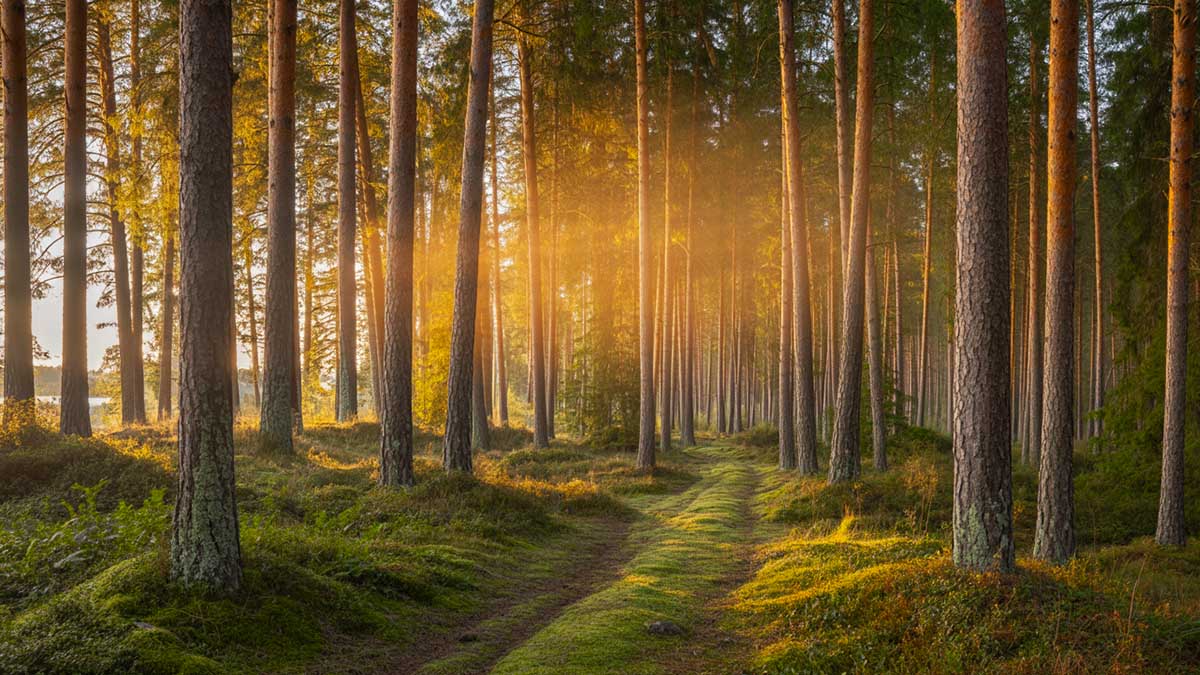
Sweden is covered in forests, but what really matters is how accessible they are. Many cities have wooded areas only minutes away, so people step into them the way others stroll down busy streets. As soon as you cross the tree line, you notice quieter sounds, softer light and cooler air. It becomes a natural backdrop to slow your thoughts and reset your pace.
Scientific studies in environmental psychology show that tree-rich environments lower cortisol levels and improve attention span. You do not need a long hike, even a short walk among pines or birches can help your nervous system settle. Standing near water often amplifies the effect, because the mix of movement and depth encourages slower, deeper breathing.
Easy ways to try it
- Take a 15 to 20 minute walk in a park or wooded area close to home or work.
- Sit on a bench near any water source and focus on calmer, more regular breathing.
- Get a dose of early morning light to stabilize your internal rhythm.
On the ground
In cities like Stockholm or Gothenburg, forests often start where sidewalks end. Locals treat them as everyday spaces, using them to clear the mind, walk the dog or talk with friends away from noise. Nature is not a weekend escape, it is part of the daily landscape.
Cold water, clear mind: the Nordic wake up
Cold-water dips have a reputation for being extreme, yet in Sweden they often look surprisingly casual. People wade into lakes early in the morning or after work, even when the air feels sharp on the skin. The aim is not performance, it is the bright, clean sensation that follows. The first shock wakes your body, and the release afterward brings a calm that many regular swimmers describe as deeply satisfying.
Physiologically, cold exposure triggers a short burst of alertness, followed by the release of endorphins. Over time, your system learns to handle discomfort with more ease, and this capacity can spill over into everyday stress. The routine becomes less about toughness and more about resetting your mood.
How to ease into it
- Finish your shower with 10 to 20 seconds of cold water to get used to the sensation.
- Keep your shoulders relaxed and breathing steady so your body does not panic.
- Increase the duration only if you enjoy the effect and feel safe and comfortable.
If you are in Sweden
In many towns, lakeside saunas make it easy to alternate heat and cold. You warm up, step outside, enter the water, then return to the cabin. This contrast relaxes muscles, improves blood flow and leaves you with a strong feeling of reset that can carry through the rest of the day.
Fika: the pause that changes the pace
Fika is not a productivity trick, it is a deliberate pause in the middle of the day. People sit with a warm drink, enjoy something sweet, talk with colleagues or simply watch the world outside. What matters is the pause itself, not the pastry or the coffee. For a short moment, you are allowed to exist without rushing to the next task.
Research around micro-pauses suggests that short, intentional breaks help restore focus and creativity. Fika works because it creates a routine space for connection and mental rest. There is no pressure to perform, no goal to hit. Just a few minutes where the volume of the day drops and you can revenir à toi-même.
A real fika looks like this
- A warm drink you genuinely enjoy, for example coffee, tea or a herbal infusion.
- A small treat that makes the moment feel a bit special, often a cinnamon bun.
- A few minutes without screens, notifications or urgent decisions à prendre.
Try it at home
Choose a specific moment each day when you close your laptop, put your phone aside and focus only on your drink and your thoughts. Even five minutes can be enough to lighten the rest of your afternoon and remind you that your mind needs pauses as much as your body.
Sauna: heat, breath and a quiet reset
Across Sweden, saunas are part of the weekly rhythm. You find them in homes, gyms, lake cabins and public facilities, and many people see them as a natural way to end the day. After time in the heat, muscles relax, breathing deepens and the body prepares for more restorative sleep.
When you sit in a sauna, your core temperature rises, then drops as you step outside. This transition helps your body shift into a state of deeper relaxation. With regular use, many people notice calmer evenings, easier recovery after exercise and less tension in the shoulders or back.
How Swedes use it
Most Swedes prefer several short rounds over a single long session. Six to ten minutes inside, a step into cool air, a sip of water, then back in. The atmosphere is often quiet and social at the same time, with light conversation and shared silence.
A simple routine you can try
If you have access to a sauna, combine short sessions with moments outside and slow breathing. You do not need extreme heat or long exposure, only consistency and gentle pacing to feel the benefits.
Freedom outdoors: the Swedish way of finding balance
Sweden’s relationship with nature is shaped by allemansrätten, the right to roam freely. This principle allows everyone to walk in forests, swim in lakes and pick berries, as long as they respect the land and those who live nearby. It sends a clear message: nature belongs to everyone, not only to those who own property on the shoreline.
This idea works hand in hand with lagom, the notion of “just enough”. Swedish well-being does not rely on extremes or constant self-improvement. It favors steady rhythms and simple, repeatable habits. Time outside is not treated as a reward or a luxury, it is simply part of what keeps people balanced.
Your Swedish inspired checklist
- Get a few minutes of outdoor time every single day, even if it is just a short walk.
- Swap one screen-based break for a slow ritual like a phone free fika moment.
- Mix movement and rest throughout the day so your body can alternate effort and recovery.
- Experiment with small doses of heat or cold to see how your body and mind react.
Reynisfjara right now: what changed on Iceland’s black sand beach
Europe’s 2026 travel shortlist: Madeira, Tbilisi, Milan, Glasgow
None of these changes are dramatic on their own, but together they build a calmer baseline that makes everyday stress easier to handle.
Sweden’s habits show that well-being does not require complicated methods or strict programs. A short walk among trees, a moment in cold water, a warm fika pause or a few minutes in a sauna can lighten even a busy week. These routines work because they fit naturally into daily life and respect the body’s need for rhythm, not performance.You do not need Swedish forests or icy lakes to benefit. You only need a bit of time and the willingness to slow down. If you feel like testing Nordic habits, start with one small ritual, observe how it changes your day and adjust from there.