Show summary Hide summary
- Yosemite in 1 or 2 Days: the no-stress plan that actually works
- The simplest way to think about Yosemite: 1 day = highlights, 2 days = comfort
- Yosemite in 1 day: the “best-of” that doesn’t feel rushed
- Yosemite in 2 days: the day that makes the trip feel “complete”
- Where to sleep: the choice that can make Yosemite easy or exhausting
- The mistakes most people make (and how to avoid them)
Summary:
- Best time to visit depends on waterfalls, road access, and crowds
- 1 day = Yosemite Valley + one viewpoint + one short hike
- 2 days = Valley + Tioga Road (if open) or a slower, deeper Valley day
- Where you sleep matters: inside the park saves hours, outside requires early starts
- Simple planning avoids the biggest time-wasters: parking, traffic, and weak signal
You can stare at Yosemite photos for years and still be caught off guard the first time you arrive. The valley feels bigger than expected, not because it’s perfect, but because everything is oversized. Cliffs shoot up like walls, waterfalls (in the right season) fill the air with noise, and the light changes the mood every hour.
Now the real question is this: how do you enjoy Yosemite without turning your day into a parking hunt and a checklist marathon? The truth is simple. Yosemite works best when you aim for a few unforgettable moments, not every single spot on the map. Whether you have one day or two, this guide gives you a realistic plan, plus the small tips that quietly save time.
Bhutan: the country that quietly slows you down (and you’ll thank it for)
Europe in 2026: the trips worth planning around real dates
Yosemite in 1 or 2 Days: the no-stress plan that actually works
Yosemite is open all year, but it doesn’t feel the same in every season. What changes most is not the scenery, it’s the waterfall flow, road access, and how much time you’ll lose to crowds.
| Season | What you’ll love | What can surprise you |
| Spring (Apr–Jun) | Waterfalls at their strongest, fresh green valley | More visitors, some high roads may still be closed |
| Summer (Jul–Aug) | Everything is accessible, long daylight | Traffic, parking, heat in the valley |
| Fall (Sep–Nov) | Better breathing room, great hiking weather | Waterfalls can be low, some closures can happen early |
| Winter (Dec–Mar) | Quiet valley, snowy mood, cozy feel | Tioga Road closed, fewer high-elevation options |
If waterfalls are part of your dream, aim for late spring. If you want Yosemite with more breathing room, September is often easier, just don’t expect roaring falls.
The simplest way to think about Yosemite: 1 day = highlights, 2 days = comfort
Yosemite is huge, but you don’t need to cover everything to feel satisfied. What you need is a plan that avoids the classic trap: spending half your time driving, searching for parking, and recalculating routes. A good Yosemite itinerary isn’t long, it’s well paced.
| Time you have | The smartest focus | What to avoid |
| 1 day | Yosemite Valley + one major viewpoint + one short hike | Trying to “also” do high-country routes |
| 2 days | Valley + one quieter zone (Tioga Road if open, or a deeper Valley day) | Packing each day with too many stops |
A realistic Yosemite day is built around fewer stops, not more. That’s what keeps it enjoyable.
Yosemite in 1 day: the “best-of” that doesn’t feel rushed
If you’re only here for a day, you want to hit the big scenery early, keep your walking simple, and leave space to just be there. Yosemite is one of those places where the in-between moments end up being the best ones.
Morning: start with a proper viewpoint (before the park wakes up)
Choose one:
- Tunnel View: the classic panoramic stop (big reward, almost no effort)
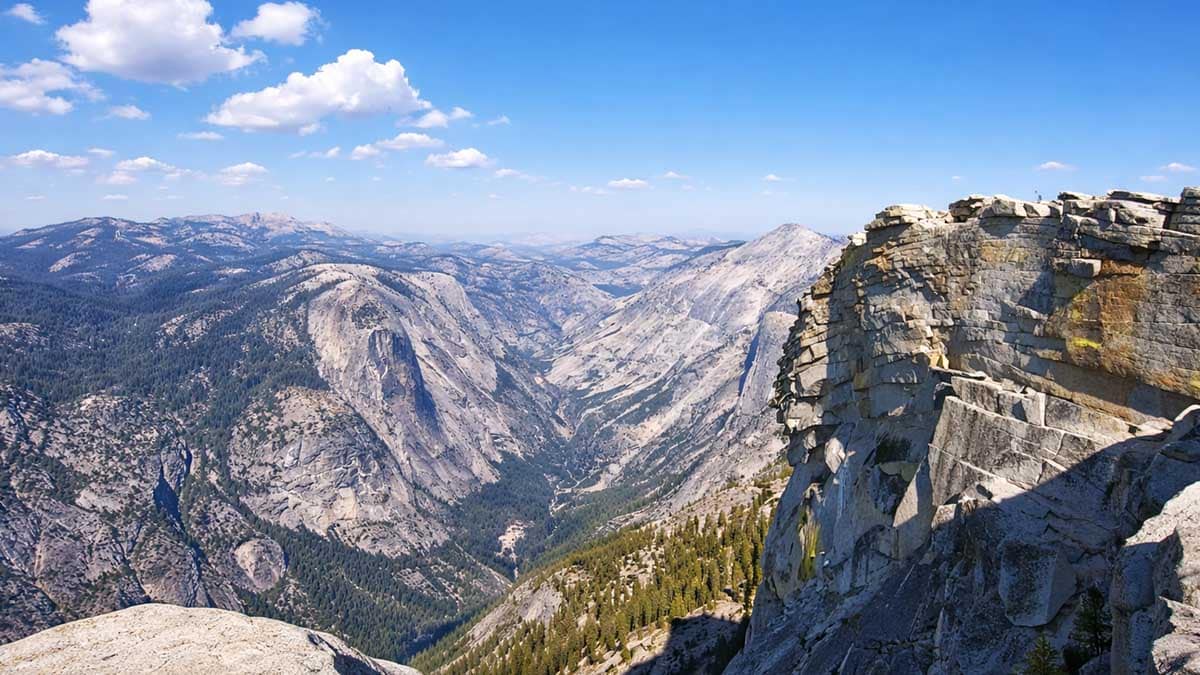
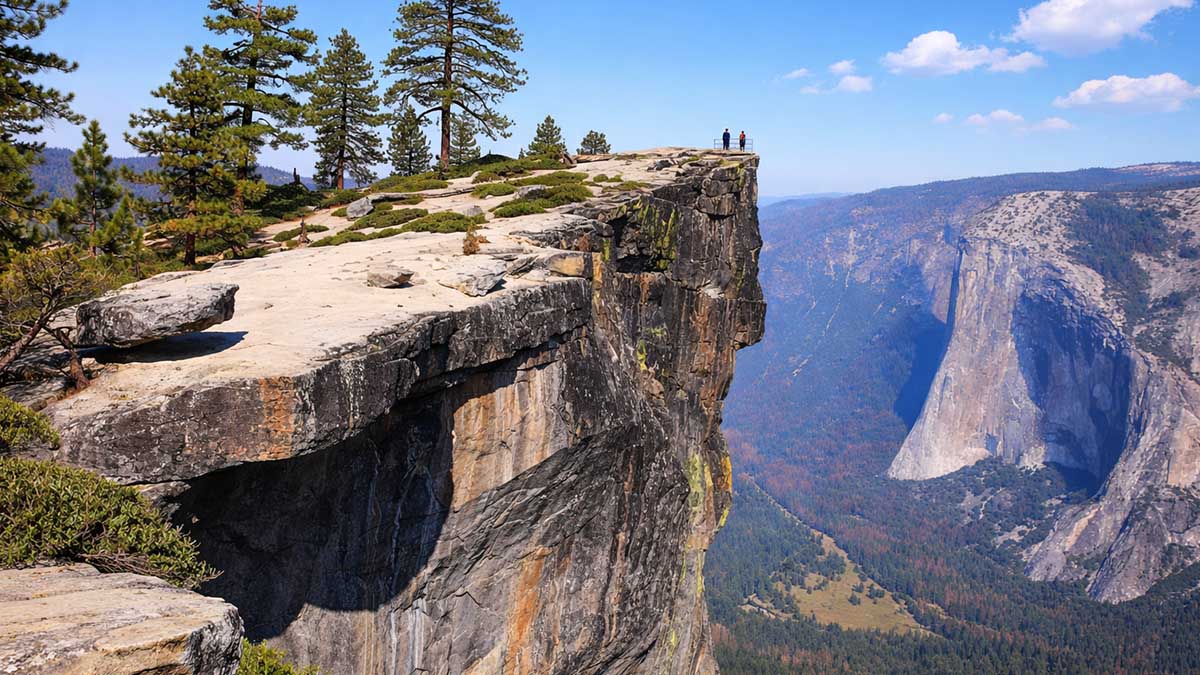
- Glacier Point (seasonal access): a higher, wider view of the valley from above
If you can arrive early, do it. Yosemite in the early hours feels calmer, and you’ll avoid the worst of the parking stress.
Late morning: waterfalls and easy valley walks
You don’t need a serious hike to get close to waterfalls and granite giants. Two easy picks work well:
- Lower Yosemite Fall: short walk, best payoff in spring
- Meadow strolls with open views of El Capitan
If you want to keep things simple, focus on what feels effortless. Yosemite is still spectacular when you’re not pushing too hard.
Midday: take a break near the river (seriously)
This is a simple move that changes your day. A lot of visitors stay in “go-go-go mode” and end up exhausted. Bring food, find a spot by the Merced River, and reset. Even 30 minutes makes the afternoon feel lighter.
A good Yosemite day includes real breaks, not just photos between steps.
Afternoon: one short hike (pick the right one, not the hardest one)
Choose based on energy:
- Mirror Lake: peaceful, easy to moderate, nice views and reflections depending on water levels
- Vernal Fall (partial walk): strong scenery even before the steepest sections
The goal is not to prove anything. It’s to choose a hike that matches your mood and still delivers big Yosemite views.
Evening: end with a last view
If you didn’t do Tunnel View early, it’s a great late-day stop. Otherwise, pick a quiet meadow and watch the cliffs change colour. Yosemite at the end of the day feels softer, and it’s often the moment when everyone slows down.
That calm atmosphere is part of the real Yosemite experience.
Yosemite in 2 days: the day that makes the trip feel “complete”
With two days, Yosemite stops feeling like a photo stop and starts feeling like a real experience. You have two strong options, and both work.
Option A: Tioga Road (if it’s open)
Tioga Road is Yosemite’s high-country route. Different light, different landscapes, fewer crowds. The vibe is calmer and more open-air.
Stops worth planning for:
- Tuolumne Grove
- Olmsted Point
- Tenaya Lake
- Tuolumne Meadows
Keep it real: Tioga Road is usually closed in winter, and it may open later depending on snow conditions. If it’s closed, go with the valley option and make it a slower day.
Day two is where you get the less rushed Yosemite.
Option B: stay in the Valley, but do it properly
A second valley day can feel completely different if you take pressure off your schedule. Rent a bike, spend time along the riverbanks, and pick a longer hike only if you feel ready.
This is how you turn a trip into a real memory, not a rushed itinerary.
Where to sleep: the choice that can make Yosemite easy or exhausting
People underestimate this part. Your accommodation choice decides whether Yosemite feels smooth or chaotic.
Staying inside the park
Pros: easier mornings, better sunrise and sunset moments, less driving time wasted.
Cons: limited availability and often more expensive.
Staying outside the park
Pros: more booking options, sometimes cheaper.
Cons: driving time can steal hours, and you’ll need an early start.
If you stay outside, enter early and keep your plan light. That’s how you avoid the “we spent Yosemite driving” feeling and actually get time for the scenery.
The right sleep plan gives you more Yosemite, less car.
The mistakes most people make (and how to avoid them)
These aren’t dramatic mistakes, they’re small decisions that quietly waste your day.
- Arriving too late, especially in peak season
- Relying only on mobile data instead of offline planning
- Not bringing enough water and snacks
- Skipping road checks for Tioga Road and Glacier Point Road
- Assuming Half Dome is easy to add last minute (it requires a permit)
The simplest fix is to plan fewer things and give yourself time margins. Yosemite feels better when you’re not fighting the clock.
Good planning is less pressure, not more structure.
Reynisfjara right now: what changed on Iceland’s black sand beach
Europe’s 2026 travel shortlist: Madeira, Tbilisi, Milan, Glasgow
Yosemite doesn’t need a complicated itinerary. It needs timing, simplicity, and enough space for the park to do what it does best: make you stop and look up.
In one day, you can capture the valley’s highlights and leave with unforgettable views. In two days, you can slow down, reach quieter areas, and get that “we really lived Yosemite” feeling.Choose fewer stops and give each one more time. Yosemite isn’t a checklist, it’s a place you feel.