
Summary:
- Nuuk is now a more practical gateway, especially for first-time visitors.
- You can’t drive between towns, you rely on flights and boats.
- Ilulissat is the classic highlight, thanks to the Icefjord and Disko Bay.
- Summer is easiest, but also the busiest and most expensive season.
- Greenland is changing, and travelers notice it in ice, seasons, and daily life.
- A smart itinerary usually means choosing two bases instead of hopping everywhere.
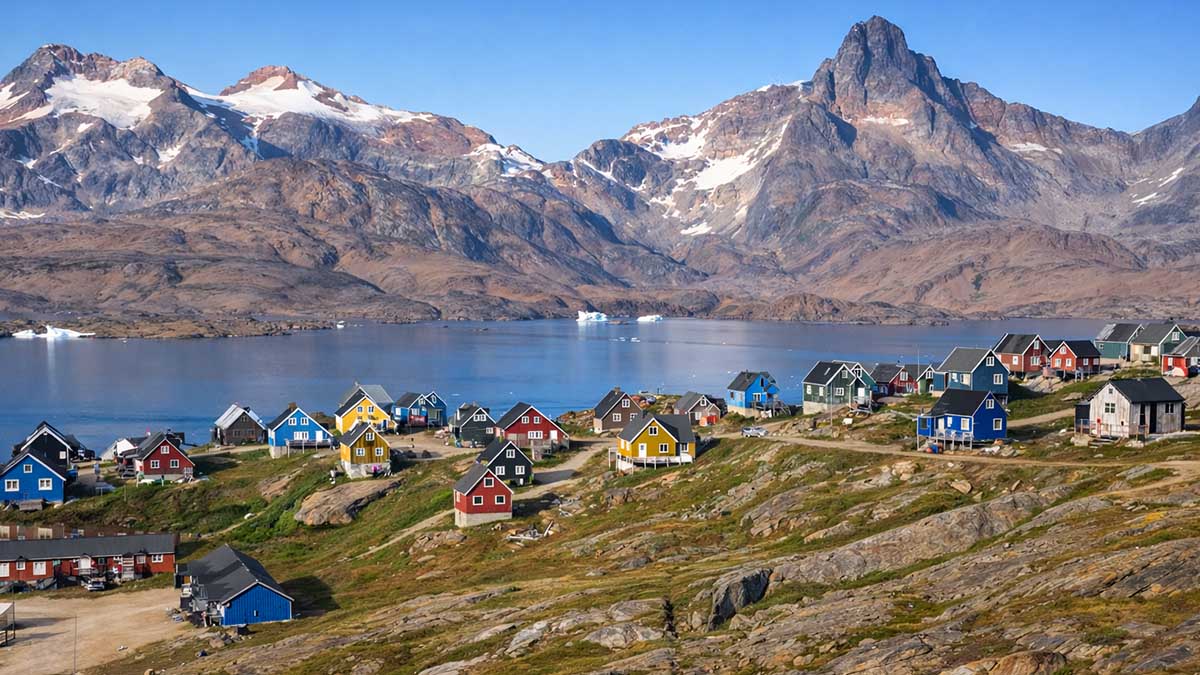
Greenland is one of those places that looks unreal in photos, icebergs, deep fjords, endless skies, and then somehow feels even bigger in real life. For a long time, the biggest obstacle wasn’t motivation, it was logistics. Getting there took time, money, and patience. That’s slowly shifting, especially through Nuuk, which is becoming a more accessible entry point.
Still, this is not a trip you “wing.” Greenland runs on weather and limited transport, and once you understand that, everything becomes easier. In this guide, you’ll find where to go first, what travel between towns really looks like, the best seasons, the real budget traps, and what to pack so the experience stays smooth from start to finish.
Nuuk is becoming the obvious starting point
Most trips begin in Nuuk, and it’s not only because it’s the capital. Nuuk has the widest range of accommodation and services, and it also makes it easier to organize tours or adjust plans if the weather shifts. It’s the most flexible baseyou’ll find in Greenland.
Nuuk isn’t a postcard village. It’s a compact coastal city built between the sea and the mountains, where everyday life and Arctic nature exist in the same frame. One moment you’re in a café, the next you’re on a hike above the fjords. For first-timers, it’s also the best place to settle into Greenland’s rhythm, slower, quieter, and more dependent on conditions than most destinations.
If you want something smaller but still accessible, Sisimiut is a strong alternative. It feels more local, less busy, and it’s a great base for hiking or winter activities. It’s the kind of town where you can spend a few days without feeling you need a checklist. You just live the place.
One point matters early. Greenland has almost no roads connecting towns. You don’t rent a car and drive from place to place. You fly, you take a boat when the season allows it, and you build your schedule around transport.
What that changes in practice:
- Changing towns can cost a lot, sometimes more than your international flight.
- Weather delays aren’t rare, they’re part of the routine.
- Adding too many stops increases your exposure to missed connections.
- Fewer bases often means a calmer, better trip.
Ilulissat is the moment Greenland becomes unforgettable
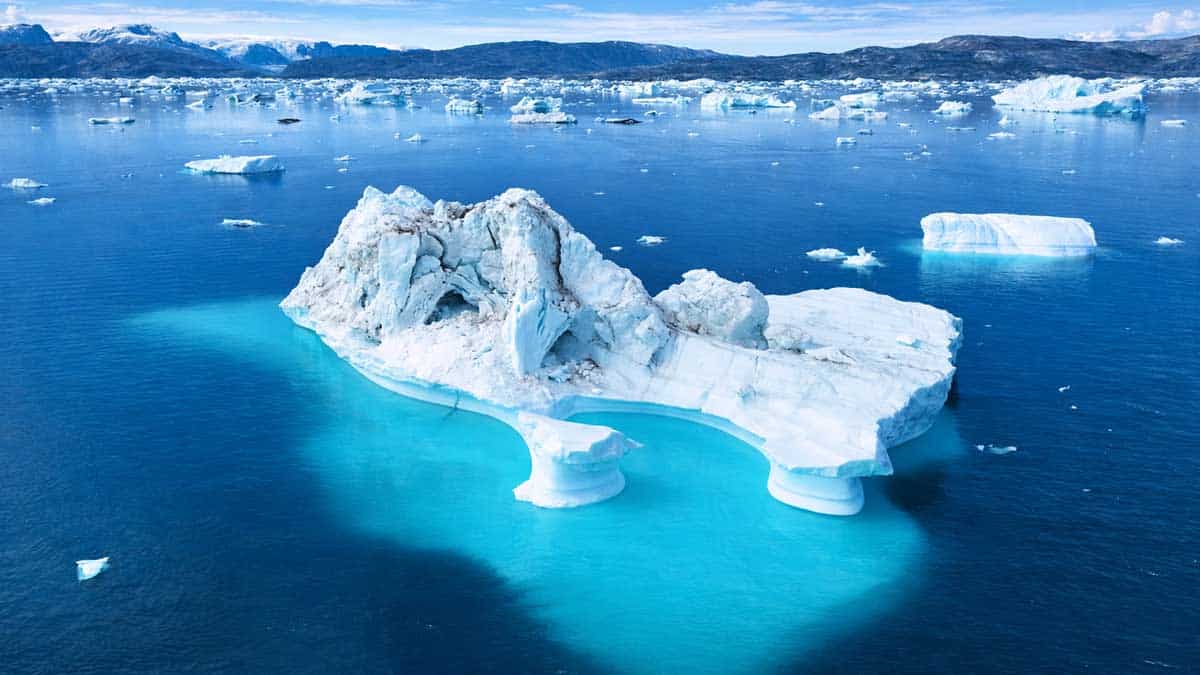
If you only visit one place outside Nuuk, many travelers pick Ilulissat, and for good reason. The town sits next to the Ilulissat Icefjord, where huge pieces of glacier break off and drift into Disko Bay. The scene feels almost impossible at first because the ice is so massive and moves so slowly. You don’t just look at it, you listen to it too.
The Icefjord is also a UNESCO World Heritage Site, and it’s an area scientists monitor closely. The glacier behind it is extremely active, which is part of what makes the landscape feel alive. It changes constantly, and it’s not subtle.
The best ways to experience Ilulissat:
- A boat trip among icebergs, especially at sunset when the light turns soft.
- Hiking trails to viewpoints above the Icefjord, several routes are easy to follow.
- A visit to Sermermiut, a historic settlement area with powerful scenery.
- Whale watching in Disko Bay, season varies, but summer is usually best.
- Kayaking if you want a quieter, closer perspective.
Ilulissat gets busy in peak summer, and it’s worth saying clearly. It’s still Greenland, not a resort, but you will notice the difference between early June and late July. Booking accommodation and tours ahead can save you stress, and often save money too.
Greenland is changing, and you’ll notice it in real life
Greenland can feel timeless, but it isn’t frozen in place. It’s a country with real economic goals, political attention, and a climate that is shifting year after year. Travelers often notice it in small, concrete ways, exposed rock where ice used to sit, warmer days outside peak summer, and sea ice patterns that don’t always match what people expect.
These details matter because they shape daily life, travel conditions, and the rhythm of the seasons. Nothing feels theoretical when you’re standing in front of a glacier or watching ice in a fjord. It becomes physical and immediate.
Greenland also wants tourism growth without losing control. In 2024, the country adopted rules aimed at ensuring tourism businesses remain largely locally owned. It’s a signal that visitors are welcome, but the industry should not be shaped only from the outside.
Simple ways to be a good guest in Greenland:
- Choose local tour companies when possible.
- Keep distance from wildlife, and follow guide rules around ice and boats.
- Don’t treat towns as “stops,” spend time, eat locally, talk to people.
- Pack reusable basics to limit waste in remote areas.
- Respect quiet places, Greenland isn’t built for mass tourism.
Plan it like a pro, season, budget, and the gear that really matters
Greenland is one of those destinations where planning is part of the trip. It can be the difference between a smooth journey and a frustrating one. Details matter here, more than most people expect.
When to go
| Season | Best for | What it feels like | Typical trade-off |
| June to August | Hiking, boat trips, midnight sun | Long bright days, most activities available | Crowds and higher prices |
| April to October | Whale watching (varies by month) | Great nature, fewer people than peak summer | Weather stays unpredictable |
| November to March | Northern lights, dog sledding | Deep winter atmosphere, dramatic skies | Cold and short daylight |
Summer is the easiest for a first trip because everything runs. Winter can be incredible, but it’s less forgiving and requires better gear. Both seasons work, the choice depends on what you want to feel.
Budget reality check
Greenland isn’t expensive because it’s luxury. It’s expensive because it’s remote, and logistics are limited. The biggest costs are domestic flights between towns, accommodation in Nuuk and Ilulissat during peak season, and guided excursions such as boat trips or glacier activities.
A simple way to avoid budget surprises is to pick two main bases, for example Nuuk and Ilulissat. Hopping between too many towns adds costs fast, and increases the chance of losing time to transport issues. Less can be more in Greenland.
What to pack
Even in summer, you can get wind, rain, and cold evenings. If you pack for Iceland, but slightly tougher, you’ll usually be fine.
Pack like this, and you’ll be fine:
- A waterproof wind jacket, it’s the number one item.
- Warm mid-layers, fleece or light down.
- Hiking boots with grip, especially on rocky terrain.
- Gloves and a hat, even in July.
- Sunglasses or eye protection for bright light on water and ice.
If you plan glacier walking, check what the operator provides. Some tours include crampons, others don’t. It’s a small detail, but it changes everything.