
Summary:
- Fes for its immersive old town, crafts, and rooftops.
- Essaouira for ocean air, seafood, ramparts, and a slow rhythm.
- Marrakech for markets, gardens, nightlife, and big energy.
- Chefchaouen for blue streets, mountain calm, and easy walks.
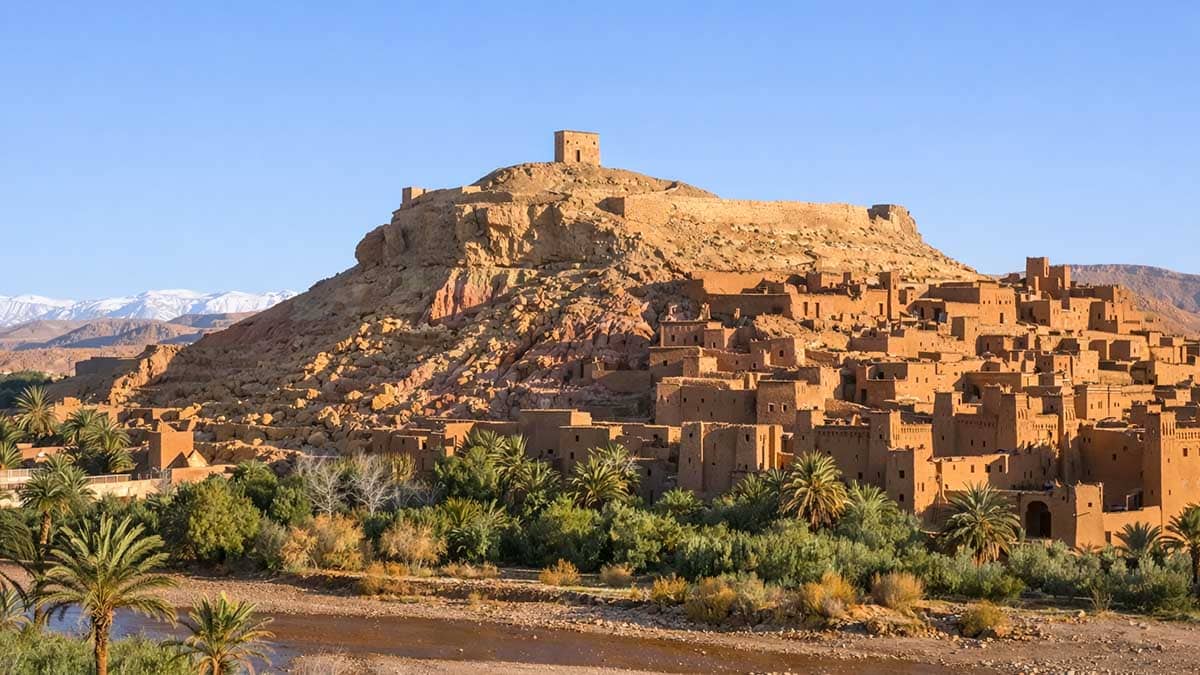
- Ouarzazate for kasbah landscapes, desert roads, and southern scenery.
Morocco has a way of grabbing you fast. Not in a “big monument” kind of way, but in small moments: the smell of bread at 8 a.m., a sudden burst of colour behind a doorway, a street that gets louder the deeper you go. You can land thinking you’ll just see Marrakech, then end up falling for a quiet coastal town instead.
If you’re trying to build a trip that feels varied without turning into a logistical headache, these five cities are a solid starting point. Each one has its own mood, and that contrast is exactly what makes Morocco such a good destination. The best part is that you don’t need a complex plan, you just need good choices and a bit of space in your schedule.
1) Five cities, five vibes, and a route that actually makes sense
Let’s be honest: Morocco has a lot of places you could add to a list. But if you only have one or two weeks, what matters is balance. You want a mix of intense and calm, culture and scenery, cities where you wander and places where you breathe. That’s why this selection is a safe bet for first-timers, but also for travelers who want a simple, efficient route.
Here’s why this combo works:
- Fes pulls you into the old world, with a medina that feels endless.
- Essaouira slows the whole trip down, in the best way.
- Marrakech is bold, chaotic, beautiful, and surprisingly addictive.
- Chefchaouen is your mountain pause, soft and photogenic.
- Ouarzazate opens the door to the south: kasbahs, palm valleys, desert roads.
If you’re planning short, you can still do something memorable. Seven days is enough if you keep it tight. Ten to fourteen days is where Morocco really becomes a complete experience, because you’re not rushing every transition.
2) Fes: the place that rewards curiosity, and a little patience
Fes isn’t a city you rush. It’s more like a puzzle. The old town twists and folds into itself, and you’ll quickly realise Google Maps has limits here. That’s part of the charm: you stop trying to control the route and start following your instincts instead, which is exactly how Fes wants to be discovered.
The real reason people love Fes is simple: it feels lived-in. You’ll pass tiny workshops where crafts are still made by hand, small food stalls, old doors with beautiful details, and streets so narrow you sometimes have to squeeze past a donkey cart. If you’re looking for a city that feels authentic without performance, Fes is hard to beat.
To enjoy Fes without getting overwhelmed:
- Do a guided walk on day one (even a few hours helps massively).
- Come back alone the next day, and just drift through the alleys.
- Take breaks on rooftops, you’ll appreciate the pause and the view.
- Don’t overpack your schedule, in Fes, wandering is the activity.
Worth knowing: Fes is often great value for riads. You can find places with real character without paying Marrakech prices, especially if you book ahead.
3) Essaouira: the coastal reset you didn’t know you needed
After busy cities, there’s a good chance you’ll crave a place that feels lighter. Essaouira is exactly that. White walls and blue shutters, Atlantic air, and a town centre you can cross on foot without breaking a sweat. It’s the kind of city that makes you loosen your shoulders without noticing.
It’s also a place where you don’t need a perfect plan. You eat well, you walk a lot, you sit longer than you expected, and somehow the day feels full anyway. Essaouira gives you simple pleasures, and that’s what makes it so satisfying.
What Essaouira does best:
- A medina that’s easy to navigate, and easy to enjoy.
- Fresh seafood by the port, simple, fast, and often excellent.
- Great late-afternoon light near the ramparts.
- Windy beaches that attract surfers and kiteboarders.
A small tip that makes a big difference: spend one night here. Then wake up early, grab a coffee, and walk along the walls before the day visitors arrive. That quiet moment is often the best memory people take home.
4) Marrakech: intense, yes, but you’re allowed to take it slow
Marrakech is loud and alive. Between the souks, the tiled courtyards, the gardens, and the constant motion, it can feel like a sensory overload. But it can also feel like you’re in the middle of something special, something you won’t find anywhere else. You don’t visit Marrakech, you absorb it.
The trick is not trying to “conquer” it. The city isn’t built for that. It’s built for wandering, for getting distracted, for taking detours, for choosing a rooftop café over another museum. Once you accept that you’ll miss things, Marrakech becomes much more enjoyable.
How to do Marrakech without burning out:
- Start early, the morning is calmer and cooler.
- Pick one main thing per day: a palace, a museum, a garden.
- Leave the rest for the street: shopping, snacks, stops you didn’t plan.
- Add downtime on purpose: hammams and courtyards aren’t optional here, they’re your breathing space.
Evening tip: Jemaa el-Fna is unforgettable after dark. Go for the atmosphere, then find a rooftop nearby to watch it from above. You get the energy, without the crowd pushing back.
5) Chefchaouen and Ouarzazate: from blue streets to southern roads
These two aren’t the easiest to combine in one short trip, but if your itinerary allows it, the contrast is worth it. Chefchaouen is soft and quiet, Ouarzazate is wide and open. Together they give you a complete change of scenery, and that’s exactly what makes Morocco addictive.

Chefchaouen: blue, yes, but also calm, soft, and slow
Chefchaouen is famous for its blue streets, and it really does look like the photos. But what makes people stay longer than planned is the mood. It’s quiet, it’s walkable, and it’s the kind of place where you wake up without an alarm. If you’re craving slow travel, Chefchaouen delivers it effortlessly.
Best ways to enjoy it:
- Walk early morning for empty streets and gentle light.
- Head to a viewpoint for sunset.
- Keep the day loose, Chefchaouen works best when you don’t force it.
Ouarzazate: kasbah country, wide skies, and that “south” feeling
Ouarzazate is a gateway city. From here, the landscape starts to shift: more earth tones, more palm valleys, more open roads. It’s also known for its film studios and dramatic scenery, which makes sense once you see how cinematic the landscapes feel around town.
Even without going all the way to the Sahara, the region delivers a different Morocco: kasbah architecture, desert-coloured hills, and road-trip stretches you’ll remember more than any museum. It’s a perfect stop if you want space, light, and silence.
Quick comparison: pick your stops based on your travel mood
| City | Best for | Mood | Ideal time |
| Fes | Old town, crafts, deep culture | Immersive and layered | 2–3 days |
| Essaouira | Coast, seafood, easy walks | Light and relaxed | 1–2 days |
| Marrakech | Markets, architecture, nights | Bold and energetic | 2–4 days |
| Chefchaouen | Mountain calm, blue streets | Soft and slow | 1–2 days |
| Ouarzazate | Kasbahs, scenery, south routes | Wide and cinematic | 1–3 days |
If you want Morocco to feel truly varied, this set of cities works because it gives you contrast without chaos. Fes pulls you into the old world, Essaouira lets you breathe, Marrakech gives you that famous adrenaline, Chefchaouen slows you down, and Ouarzazate opens the door to the south. The trip doesn’t feel like a checklist, it feels like a story that changes mood every few days.And honestly, that’s the best way to do Morocco: not by stacking “must-sees”, but by letting the places change the rhythm of the trip. Leave a little room for the unexpected, because Morocco is excellent at giving you good surprises.