Show summary Hide summary
Summary:
- Best for: a self drive adventure that combines desert, ocean and safari in one trip.
- Ideal trip length: 2 to 3 weeks for a balanced itinerary.
- Driving vibe: simple in theory, long distances in practice, gravel roads require patience.
- Budget reality: manageable with camping and cooking, expensive with lodges and restaurant meals.
- Top highlights: Sossusvlei, Dead Vlei, Walvis Bay, Etosha National Park.
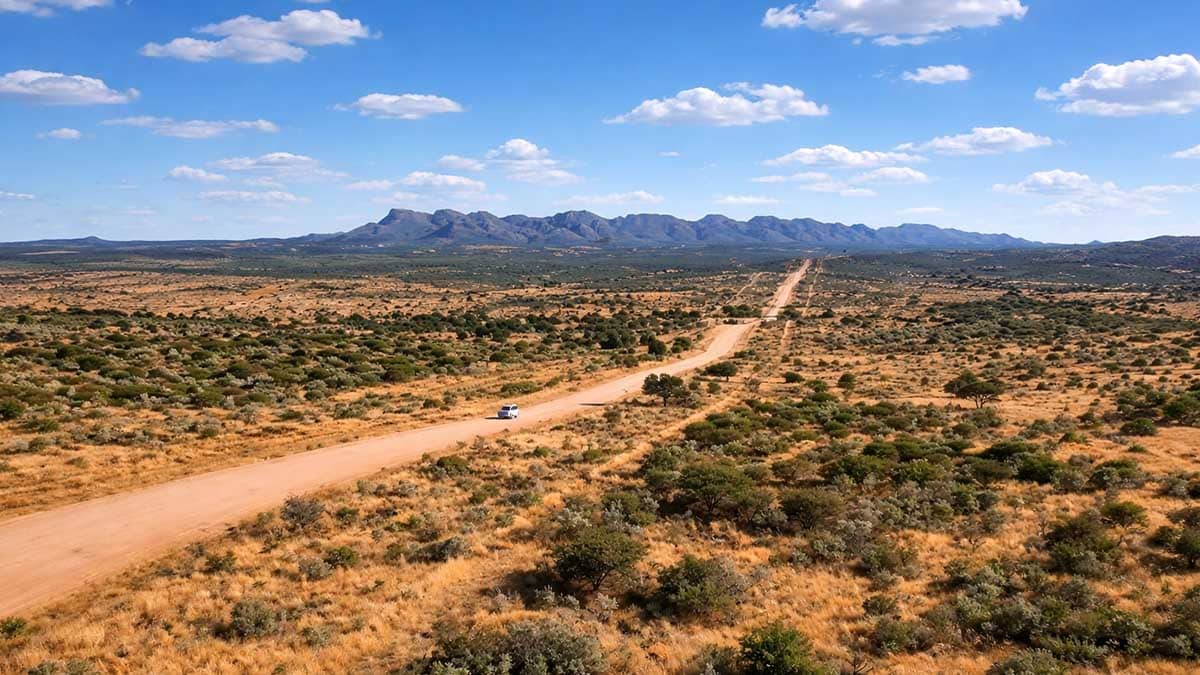
If you want a trip that feels genuinely far away, Namibia delivers. Not in a postcard sense, but in a very physical one. You drive for a long time and the scenery barely repeats itself. You stop because the light turns perfect, not because a guidebook tells you to. That’s the kind of travel Namibia encourages: slow, spacious, and real.
The best part is that Namibia is one of the easiest African countries to explore independently. You do not need to be an extreme adventurer. You simply need a little preparation, a realistic route, and the humility to accept that in Namibia, the road is not wasted time. It is often the best part of the story.
Bhutan: the country that quietly slows you down (and you’ll thank it for)
Europe in 2026: the trips worth planning around real dates
Before you go: the checks that save your trip
Namibia is straightforward once you are there, but it is not a destination where you want border surprises. Rules can change, and once you are deep into a road trip, fixing paperwork becomes a headache. A short checklist before departure keeps things simple and protects your time on the ground.
Before booking your flights, double check:
- Entry requirements for your nationality (visa rules, length of stay, entry points).
- Passport validity and blank pages.
- Driving license conditions (some rentals ask for an International Driving Permit).
- A strong travel insurance policy, especially if you plan remote routes.
Health: keep it practical
Most travelers have no issues. Still, risk levels can vary depending on region and season. If your itinerary includes the far northeast, ask a travel clinic about malaria advice. In general, checking official guidance before departure gives you calm confidence, not anxiety.
When to visit: pick the season that matches your trip
People often ask for the best time to visit Namibia, but the better question is what you want most. Wildlife sightings, cooler temperatures, fewer crowds, greener landscapes. Your “best season” depends on your priorities, not a generic rule.
If wildlife is your focus, dry months are usually easier. Animals concentrate around waterholes, so you spend less time driving blindly and more time watching real movement, especially in Etosha. If you want a quieter, softer vibe, wetter months can be stunning. The trade off is that animals may be more spread out, and some roads can be less comfortable after rain. Either way, Namibia rewards travelers who plan with realistic expectations.
Quick season table
| Season | Feel | Best for | Keep in mind |
| Dry season | Clear skies, easier safaris | Wildlife, smoother road trip | Cooler nights, higher demand |
| Shoulder season | Balanced | Fewer crowds, pleasant weather | Conditions vary by region |
| Rainy season | Greener, calmer | Scenery, photography, budget | Roads can be rougher, wildlife more dispersed |
Self drive or guided tour: what really changes
There are two main ways to travel Namibia. You can take a guided tour and relax into a structured itinerary, or you can self drive and let the trip shape itself. Both can be great. Namibia stands out because independent travel is genuinely accessible for many people, not just seasoned adventurers.
Why the road becomes the experience
In Namibia, you do not just travel between highlights. You cross vast spaces where the journey itself becomes the memory. A sudden storm. A perfect sunset. A herd of oryx on an empty plain. You stop because you want to, not because the schedule says so. That sense of control is one of the quiet luxuries of a Namibia road trip.
Many travelers choose a 4×4 with a rooftop tent. It is not mandatory, but it changes everything. You gain flexibility, you reduce accommodation costs, and you can sleep closer to the landscapes you came to see.
Driving tips that make everything smoother
- Namibia drives on the left.
- Distances are long, so plan fuel stops and avoid over packing your days.
- Gravel roads are common, which means driving slower than you think.
- Avoid night driving because visibility drops and animals can appear suddenly.
Follow these basics and the trip feels steady and safe, not stressful.
Budget reality: what’s expensive, and what you can control
Namibia can be pricey, but it is not automatically a luxury destination. Your budget depends heavily on your choices. Lodges every night will add up fast. Camping and cooking some meals can keep costs surprisingly reasonable, while still allowing a few comfort stops when you need them.
The biggest costs are predictable: vehicle rental, fuel, park fees, and a few upgrades along the way. What usually breaks budgets is not one major expense. It is the accumulation of daily comfort choices. The smart approach is balance. Camp most nights, treat yourself occasionally, and avoid marathon driving days. That keeps the trip pleasant and sustainable, financially and mentally.
Simple ways to cut costs without sacrificing the experience:
- Cook some meals instead of eating out every day.
- Mix campsites with a few comfortable stays.
- Book the vehicle early if you travel in peak months.
- Slow down rather than stacking long driving days.
The places that feel like Namibia (not just a highlight list)
You could spend months exploring Namibia, but a first trip becomes unforgettable with three elements: desert, coast, safari. Build around those and you already have a strong route. You can always add extra stops if time and energy allow.
Sossusvlei and Dead Vlei: the desert shock
Yes, you have seen the photos. In person it hits differently. The dunes are massive, the silence is intense, and the morning light looks almost unreal. Dead Vlei feels like a scene from another planet, with pale clay, dark trees and a sky that looks too clean. Going early gives you the best light and avoids the heat, which makes the whole experience more comfortable and more dramatic.
Walvis Bay: cold air and dunes meeting the Atlantic
After the desert, the coast feels like a reset. Fresh air, mist, and sand rolling into the ocean. It is not a place you rush. It is a place you slow down almost automatically. If your trip feels intense, Walvis Bay is where you let it breathe, and that pause often becomes one of the strongest memories.
Etosha national park: self drive safari at its best
Reynisfjara right now: what changed on Iceland’s black sand beach
Europe’s 2026 travel shortlist: Madeira, Tbilisi, Milan, Glasgow
Etosha is where many travelers get their biggest wildlife moments. It is well organized, easy to navigate, and waterholes can deliver incredible sightings. The key is time. Stay several days. Vary your schedule. Some drives will be quiet, then suddenly you see a scene you will remember for years. That rhythm is normal, and Etosha rewards patience with pure magic.
Namibia is not a trip you rush. It is a country where long roads, empty horizons and quiet nights are part of the point. If you prepare the basics and keep your plan realistic, you can have a trip that feels simple, safe, and deeply memorable.If there is one piece of advice worth keeping, it is this: leave space in your itinerary. In Namibia, the best moments are often the ones you did not plan. That is where the country becomes more than a destination.