Show summary Hide summary
Summary:
- What makes the Loop both magical and demanding.
- The best seasons for clear views and safe riding.
- How to travel respectfully through highland communities.
- How to choose the right tour, gear, and driver.
- What the route really feels like once you’re deep in the mountains.
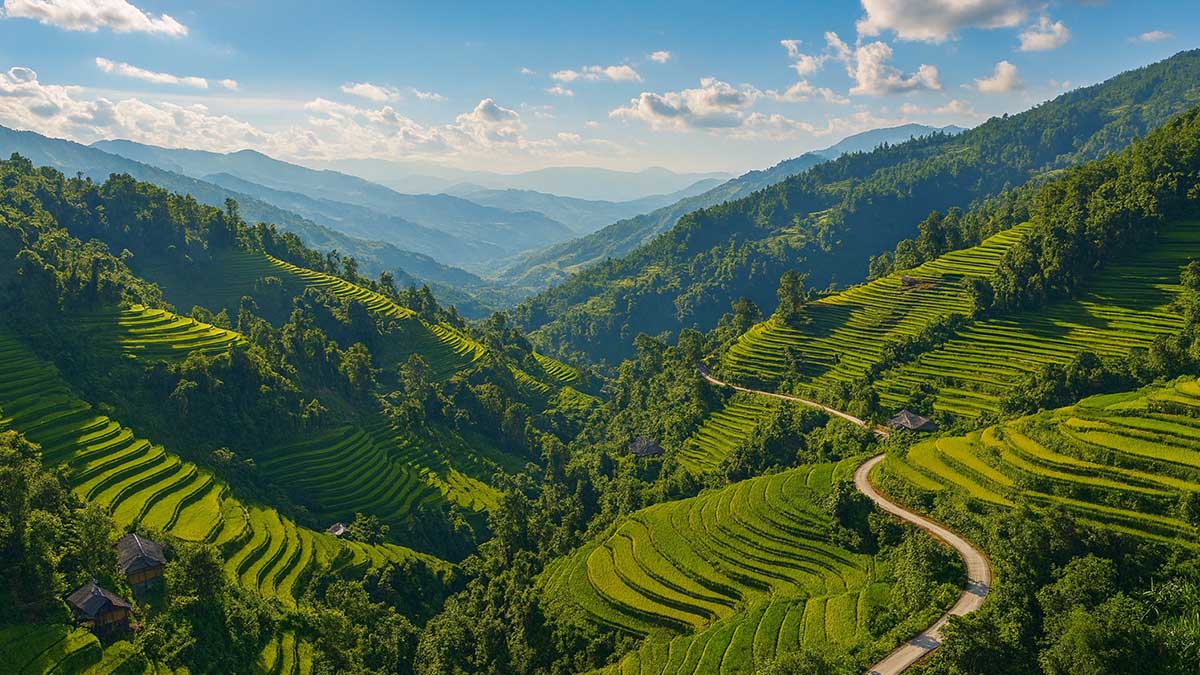
If you spend enough time in Hanoi’s traveler cafés, you’ll eventually hear someone mention the Ha Giang Loop. The stories vary. One person recalls clinging to the back of a motorbike on a cliffside turn, another remembers how the fog lifted to reveal a valley lined with rice terraces glowing in the early sun. The Loop often surprises even those who think they know what to expect.
Riding it is not difficult for the sake of being difficult. The route simply follows the logic of the mountains, with steep climbs and quick temperature shifts that shape the rhythm of the journey. With the right preparation, the experience becomes less about keeping up with the road and more about reading the landscape. This guide walks you through everything you need to know: safety, seasons, culture, gear, and the small details that make the Loop unforgettable. Let’s dive in.
Bhutan: the country that quietly slows you down (and you’ll thank it for)
Europe in 2026: the trips worth planning around real dates
Why the Ha Giang Loop feels like nowhere else
The Loop runs along Vietnam’s northern border, weaving between limestone peaks and terraced valleys. Much of the road crosses the Dong Van Karst Plateau Geopark, a protected area known for its striking geology and mountain culture.
A road carved into the mountains
In the late 1950s, thousands of volunteers carved a path through the mountains using basic tools. Their goal was simple: connect remote highland villages and open access to the lowlands. The road still follows their original line. You feel it immediately. This is a route shaped by effort rather than convenience, and for many communities it remains essential. For travelers, it is one of the most immersive experiences in northern Vietnam.
The challenges no one should underestimate
A route that changes from mile to mile
Some sections are smooth enough to relax into the view. Others become narrow, gravelly, or damp after recent rain. Morning fog can hide the next bend, while stretches near Ma Pi Leng Pass reveal drops that remind you to stay focused. The scenery is stunning, but the road deserves your full attention.
Driving rules, mountain version
Vietnam requires an international driving permit for motorbikes. Inspections are more common now, largely because the number of accidents has grown. Even with the right documents, riding here works differently. Locals react intuitively to any situation. A buffalo crossing the road or a truck shifting wide are common sights, and riders adapt on the spot.
Traveler’s note: staying safe
- If you’re not confident on a motorbike, the easy rider option with a local driver is the safest way to travel.
- Avoid riding after dark and keep an eye on weather forecasts.
- Make sure your travel insurance covers motorbikes.
- Always test the brakes and indicators before leaving Ha Giang City.
Meeting the communities who call the highlands home
One of the Loop’s biggest rewards is meeting the ethnic groups who live across the region. Each has its own traditions, crafts, and relationship with the mountains.
Dzao villages
Among the Dzao, ceremonies mark important life stages. Clothing and ritual items often feature protective symbols that carry cultural meaning. Visitors who stay in Dzao villages often notice how strongly family structures shape daily life.
Tày communities
The Tày build wooden stilt houses near rivers, where evenings often bring families together around a fire. The soft sound of the tính lute, still used during gatherings, gives these moments a timeless feel.
H’mong traditions
H’mong textiles stand out for their hemp weaving and deep indigo tones. Farming is central to daily life, and weddings often involve exchanges that strengthen ties between extended families.
Local tip: traveling with respect
- Ask before taking photos.
- Support local-run homestays and cafés when possible.
- Learn a few greetings in Vietnamese or local languages to show interest and respect.
- Dress modestly when walking through villages.
Choosing the best way to ride the Loop
Solo, easy rider, or group tour?
Each style offers a different experience and level of comfort:
| Option | Best for | Pros | Limits |
| Solo ride | Experienced riders | Full freedom, lower cost | Higher risk, more fatigue |
| Easy rider | Beginners or cautious travelers | Safe, cultural, relaxed | Less control over timing |
| Group tour | Social travelers | Simple to organize, shared energy | Can feel busy in peak season |
Choosing a trustworthy tour company
Good operators tend to share the same priorities:
- well-maintained motorbikes checked daily
- certified helmets and protective gear
- drivers who know the region well
- small groups or private rides
- clear day-by-day planning
Always check what’s included, from meals and fuel to entrance fees, so you know exactly what you are paying for.
Getting there and finding gear
Most travelers fly into Hanoi (HAN) and continue to Ha Giang City by bus, minivan, or arranged transfer. Once there, gear shops offer:
- motorbikes adapted to different experience levels
- helmets, gloves, and jackets
- rain protection, which is essential from May to August
Choosing certified gear makes long days on the road far more comfortable and safe.
Choosing the best season for the Loop
Weather snapshot
- September to October: clear skies and golden rice terraces.
- March to April: mild temperatures and stable conditions.
- June to August: wet, foggy, and challenging for riders.
Budget insight
Reynisfjara right now: what changed on Iceland’s black sand beach
Europe’s 2026 travel shortlist: Madeira, Tbilisi, Milan, Glasgow
Prices go up slightly during peak months. Off-season trips are more affordable, but riders should expect slippery roadsand reduced visibility.
Riding the Ha Giang Loop is not just about conquering a scenic route. It’s discovering a region where nature, culture, and daily life blend in ways that stay with you long after the trip ends. With the right preparation and a respectful mindset, the Loop becomes more than a ride. It becomes a way of understanding a corner of Vietnam that still moves at its own pace.If the route leaves you wanting more, the far north of Vietnam has many other mountain roads waiting to be explored.