Show summary Hide summary
- Where Saint John still breathes: bays, forests and open trails
- The island’s memory: walking through stories that still matter
- Everyday life on Saint John: a community that holds together
- Taste Saint John: real flavors, local farms and island kitchens
- Travel kind on Saint John: small habits, big difference
Summary:
- Secluded bays and slow-paced trails worth seeking out.
- Local groups working daily to protect Saint John’s land and culture.
- Where to try genuine Virgin Islands dishes.
- Easy habits to explore the island with a lighter footprint.
Saint John often disarms visitors before they even realize it. You arrive expecting the usual Caribbean mix of turquoise water and palm-lined beaches, but what you find instead is an island that feels unusually preserved. Roads narrow into the hills, bays open like small secrets, and long stretches of forest remain untouched thanks to early choices to limit construction. Many travelers say the same thing: it feels different here, not because it is quieter, but because the island seems genuinely lived in. Even the ferry ride from St. Thomas sets the tone, with locals chatting among crates of produce and travelers settling into an unhurried rhythm. The mix of natural calm and everyday authenticity quickly becomes part of the experience.
But scenery alone does not explain that feeling. Saint John carries stories of families rooted for generations, traces of resistance, and a community that has learned to stick together through storms and uncertainties. Cultural groups, farmers and environmental advocates all have a role in keeping the island grounded and connected to its past. Walk into a café early in the morning and you might hear residents discussing fishing conditions or a reef project underway. These simple exchanges reveal how much the island relies on shared effort and why the atmosphere feels so cohesive. This guide offers a path into that world, from trails and food to the people who give Saint John its voice and its identity. Let’s dive in.
Bhutan: the country that quietly slows you down (and you’ll thank it for)
Europe in 2026: the trips worth planning around real dates
Where Saint John still breathes: bays, forests and open trails
In the 1950s, Laurance Rockefeller purchased large tracts of land on Saint John and later donated them to establish Virgin Islands National Park. Thanks to that decision, much of the island looks today the way it did then: quiet, green and remarkably intact. The absence of large resorts gives the impression of a place that has chosen preservation over expansion. Even well known viewpoints feel unhurried, inviting travelers to slow their pace and simply look around.
Bays that feel like a gentle pause
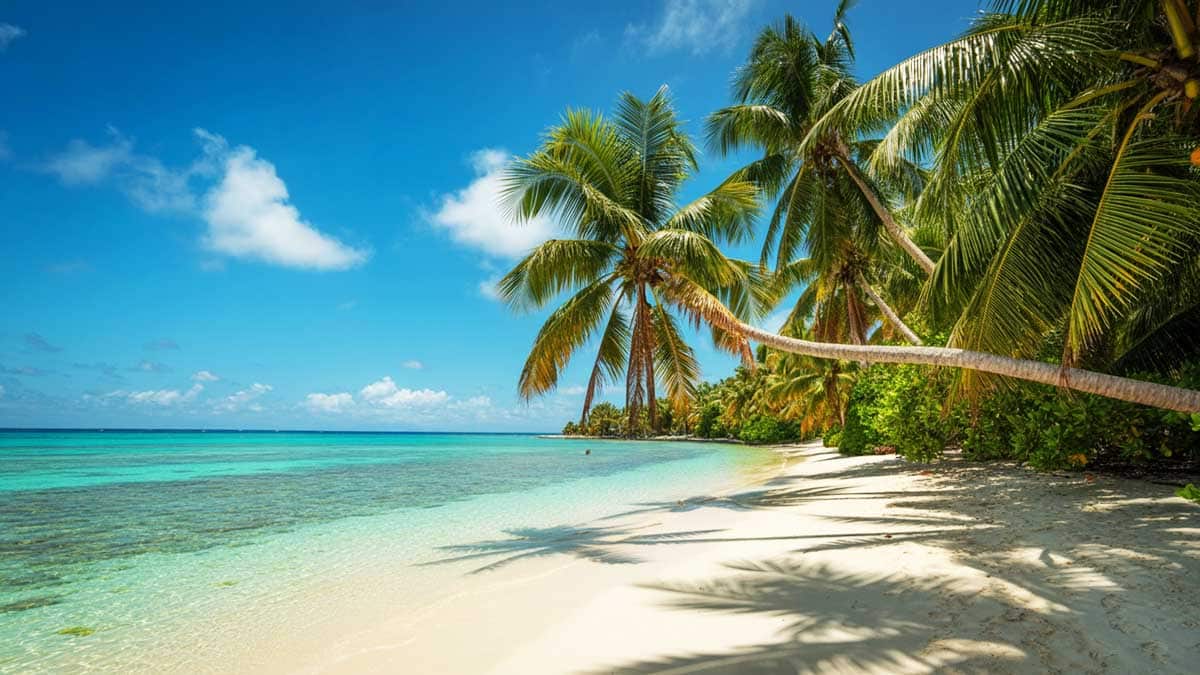
Trunk Bay draws much of the attention, but the east and south coasts hide calmer spots like Salt Pond Bay or Haulover North. These are beaches where people end up staying longer than planned, reading under sea grape trees or watching pelicans glide over the surface. On some days the water is so clear that boats appear to float above their own shadows, creating a sense of suspended stillness that defines these coves.
Trails that reveal the island’s quieter side
The hiking network is varied and generous. Some paths lead to windy viewpoints, others cut through dry forest or follow rugged shorelines. On the Reef Bay Trail, the soundscape shifts from birdsong to the crunch of fallen leaves, sometimes interrupted by a wild donkey stepping calmly across the path. These encounters, simple yet unexpected, often become standout memories for visitors.
The island’s memory: walking through stories that still matter
Saint John’s past is visible in stone terraces, the ruins of former estates and the names of bays that carry traces of earlier eras. Few places in the Caribbean make the link between landscape and memory feel so immediate, especially when a scenic trail suddenly reveals a fragment of the island’s complex history.
An island shaped by different chapters
Under Danish rule, the hills were dominated by sugar plantations. In 1733, members of the Akwamu people led a months long revolt that stands as one of the earliest documented uprisings in the Americas. A plaque on the Ram Head Trail now marks this moment and gives visitors context that was long absent. Reading it while overlooking the sea creates a quiet sense of connection between the geography and the stories it holds.
Giving space to long rooted voices
Groups such as the St. John Heritage Collective make sure the voices of long established families remain part of the island’s present. Through exhibitions, discussions and community events, they bring forward stories that add nuance and depth to what travelers see. Many visitors say these perspectives turn Saint John from a simple beach destination into a place with real texture and continuity.
What this means for you:
Understanding these layers enriches every walk. A bay becomes more than a postcard; a trail becomes a link between past and present.
Everyday life on Saint John: a community that holds together
Speak with residents and one theme repeats itself: cooperation. Limited infrastructure, past hurricanes and a strong sense of belonging have built a culture where people genuinely help one another. Neighbors repair roofs together, restaurants organize school fundraisers, and local radio stations keep communities informed when times are difficult. The result is a daily life that feels both practical and tightly connected.
Protecting the spaces outside the park
The national park is vast, but not everything falls within its borders. This is where the St. John Land Conservancy steps in, negotiating to protect areas that might otherwise be developed. These efforts safeguard quiet coastlines, forest patches and pathways used for generations. Without this work, many beloved viewpoints and shoreline walks would have a very different future, and visitors might lose access to some of the most peaceful corners of the island.
Hospitality shaped by local ties
Some resorts, including Lovango Resort & Beach Club, began by building shared spaces such as restaurants and beach areas before adding rooms. This choice strengthened their connection with local residents and helped establish partnerships around guided nature walks, reef restoration and cultural gatherings. Visitors often describe the atmosphere as welcoming rather than staged, giving the impression of entering a shared space rather than a closed resort world.
Taste Saint John: real flavors, local farms and island kitchens
Saint John’s food scene has expanded in modest but meaningful ways. Chefs with varied backgrounds introduce new influences while staying rooted in Caribbean staples. Much of the food relies on direct relationships with fishermen and farmers, which brings an immediacy and freshness that travelers remember long after the meal.
Dishes that feel connected to the island
In Cruz Bay and Coral Bay, you will find dishes such as conch stew, saltfish with fungi, tostones or seafood paired with local herbs. These meals tell a story of adaptation in a region where imported goods have long been costly. Portions are generous, flavors are straightforward and the mood in these eateries is often relaxed. It is common to hear cooks chatting with regulars or sharing a quick recommendation, part of the easy warmth that defines food culture on the island.
Farms that keep the island fed
Coral Bay Organic Farm supplies many restaurants with greens, herbs and vegetables grown with care. The couple who runs it navigates limited space and complex logistics with patience, and they hope to expand into small scale agritourism. For now, stopping at the farm stand offers a glimpse into the daily work that sustains the island, as well as a chance to taste produce at its freshest.
Travel kind on Saint John: small habits, big difference
Reynisfjara right now: what changed on Iceland’s black sand beach
Europe’s 2026 travel shortlist: Madeira, Tbilisi, Milan, Glasgow
Saint John is welcoming, yet undeniably fragile. Travelers who adopt a few simple habits can help keep the island’s balance intact. Residents often say they do not expect perfection, only attention and respect for the place they call home.
A short list for mindful visitors
- Stay on marked trails to protect vegetation and soils.
- Support local businesses whenever possible.
- Use reef safe sunscreen and avoid touching coral.
- Bring reusable bottles for remote beaches.
- Slow down on narrow roads, where pedestrians share the path.
When the island feels most welcoming
Shoulder seasons, from April to June and from October to December, offer a peaceful mix of warm weather, fewer crowds and more accessible prices. Locals often say this is when the island breathes, leaving more room for conversations, outdoor projects or simply enjoying the changing light over the water.Saint John is not a place you rush through. It invites you to slow down, wander, taste and listen. Its beauty is obvious, but its charm comes from the layers beneath it: the stories rooted in its hills, the people who protect its land, the food that carries memories. Sit long enough on a quiet beach and you will notice the gentle rhythm of the island, from fishing boats drifting out at dawn to children walking home from school. Whether you are hiking, sharing a meal or watching the sea change color, Saint John has a way of grounding you. It is often this quiet connection that lingers long after the trip ends.