Show summary Hide summary
Summary:
- The easiest mainland places to dive near Tokyo, including Cape Osezaki and Ito.
- A simple seasonal guide, so you know when to dive where, without guesswork.
- Why Wakayama (Tanabe) is perfect if you want diving plus culture and nature.
- What Okinawa really feels like underwater, and why the Kerama Islands often steal the show.
- The practical details that matter, including levels, gear, transport, and comfort.
Most people come to Japan for the obvious reasons, Tokyo energy, Kyoto calm, the food, the trains that run on time. Diving rarely makes the first page of the plan, and yet Japan’s coastline quietly steals the show. Volcanic rock walls, sudden drop-offs, unusual marine life depending on the season, it’s not “just another tropical trip.”
What makes it even more interesting is the geography. Japan stretches far enough north to south that you can choose your own mood, cool-water shore dives on the mainland or warm reef dives in Okinawa. You don’t have to build a full dive-only holiday, you can simply add scuba into your Japan itinerary and it fits surprisingly well.
Bhutan: the country that quietly slows you down (and you’ll thank it for)
Europe in 2026: the trips worth planning around real dates
The real reason Japan works for divers, it’s not only the reefs
Japan sits at the meeting point of warm and cold currents, and you feel that underwater. Marine life changes a lot depending on where you are, and so does the scenery, volcanic formations on the mainland, coral gardens in the south, and cold-water ecosystems in the far north.
There’s another reason Japan works, it’s easy to travel through. This matters more than people think. Some of the best diving isn’t locked behind remote island transfers, and several spots can be done as day trips from major cities, which keeps the logistics simple and the trip enjoyable.
Japan is generally known for well-organized dive operations, especially around popular sites. Still, standards can vary between dive centers like anywhere else, so it’s worth checking group size, dive briefing style, and rental gear condition before booking.
When to dive in Japan, a simple “where you’ll be, that’s when” guide
There’s no universal “best time” to dive Japan. The country is too long and too varied, and that’s part of the charm. A winter trip doesn’t stop you from diving, it simply changes where you should go.
Here’s a clean overview to plan fast:
| Region | Best season | Water temperature (approx.) | Visibility | Best for |
| Izu Peninsula (near Tokyo) | Spring to autumn | 16–26°C | 10–20 m | Easy access, shore dives |
| Wakayama / Kii Peninsula | Late spring to autumn | 18–27°C | 10–25 m | Variety + culture nearby |
| Okinawa | Year-round (best: spring–summer) | 21–29°C | 20–40 m | Warm reefs, tropical species |
| Kerama Islands | Spring to autumn | 22–29°C | 25–40 m | Clear water, turtles |
| Shiretoko (Hokkaido) | Winter (ice season) | 0–4°C | Varies | Advanced, ice diving |
If you want a quick decision, go south for warm water and coral, choose Izu for easy mainland diving, and pick Wakayama if you want a trip that mixes ocean and culture.
5 dive spots in Japan that don’t feel interchangeable
1) Cape Osezaki (Izu), the shore dive everyone talks about
Cape Osezaki is one of the most famous mainland dive sites, and it earns that status. It’s a shore dive, the entry is generally manageable, and the marine life can be surprisingly rich for a spot so close to Tokyo, especially for macro life and rocky habitats.
The underwater landscape is mostly volcanic rock formations, full of small hideouts for fish and seasonal species. On clear days, you can see Mount Fuji from the coast between dives, which is one of those travel moments that sticks.
Best for: beginners, shore dives, macro photography.
2) Ito (Izu), dive first, then onsen
Ito is the weekend escape for Tokyo divers. It’s accessible, relaxed, and fits neatly into a short trip. Underwater you’ll find the same volcanic character that makes Izu interesting, textured rock, varied formations, and marine life that changes with the seasons.
What makes Ito especially enjoyable isn’t only the dive, it’s the routine that comes after. Finish your dives, rinse off, then head to an onsen. That mix of salt water and hot springs feels very Japan, very quickly.
Best for: short trips, comfort travel, sea plus land balance.
3) Tanabe (Wakayama), diving with a real “travel day” around it
If Okinawa is the easy answer, Wakayama is the thoughtful one. Tanabe sits on the Kii Peninsula and offers good diving without the tropical island vibe, plus a region that feels more nature-driven and local, with coastal scenery and cultural detours nearby.
Underwater, you’ll usually get a mix of reefs and rocky zones, with biodiversity that changes with the seasons. Above water, the area works beautifully for travelers who want a trip that isn’t only about diving, especially if you’re already in Kansai.
Best for: intermediate divers, Osaka and Kyoto travelers, culture + ocean.
4) Okinawa, Japan’s tropical chapter
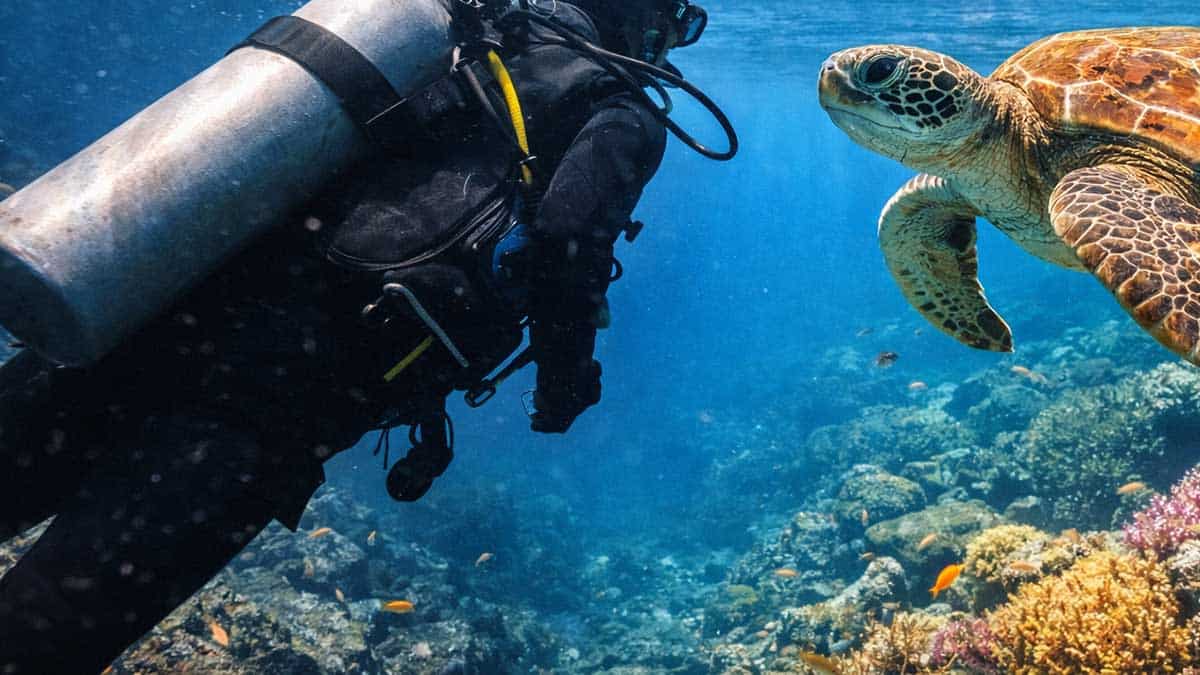
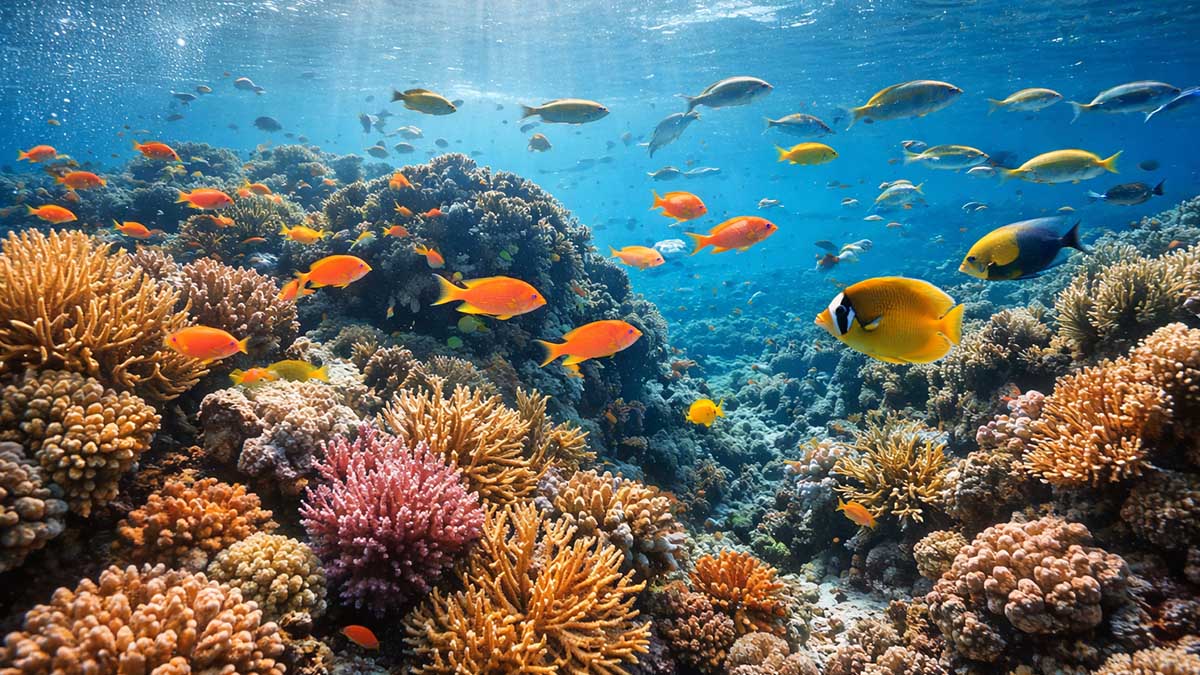
Okinawa is Japan’s tropical side. The water is warmer, the reefs are brighter, and the marine life feels closer to the classic scuba picture, with sea turtles, manta rays depending on the site, and large schools of fish.
If diving is one of your main goals, Okinawa is often the easiest base. There are many operators, lots of dive points, and enough variety to fill a week without repeating the same type of scenery, especially if you mix main island dives with day trips.
Best for: warm water, coral reefs, easy planning.
5) Kerama Islands, the clear-water day trip that stays in your head
The Kerama Islands are close to Okinawa, but the experience feels more ocean-first and quieter. Many divers come for a day and wish they had planned more, because the visibility is often excellent and the reefs are healthy.
This is also a strong choice if you’re into underwater photos or simply like open, bright water. Turtle encounters are common on many routes, and a full boat day here often feels like a real reset, with multiple sites and relaxed pacing.
Best for: visibility, turtles, underwater photography.
The practical side, what no one tells you until you’re already there
Japan is easy to travel in. Diving is easy too, but a few details really help.
First, pick the spot for your level, not your fantasy. Currents, depth, and conditions can vary, so it’s always smarter to choose a place that matches your certification and comfort, then step up gradually.
- Beginner-friendly: Cape Osezaki, Ito
- Intermediate: Wakayama, Okinawa sites
- Advanced: Shiretoko ice diving, specialized and cold-water
Costs vary by region and operator, but they’re generally comparable to other popular destinations. Rental gear is widely available in tourist areas, and English support depends on location, with Okinawa usually easier than smaller mainland areas.
Reynisfjara right now: what changed on Iceland’s black sand beach
Europe’s 2026 travel shortlist: Madeira, Tbilisi, Milan, Glasgow
Finally, bring what saves your day. You don’t need to overpack, but these items make diving more comfortable and less stressful.
- Certification card, or digital proof
- Dive insurance that covers scuba
- Reef-safe sunscreen, especially in Okinawa and Kerama
- A light jacket for surface intervals
- A dry bag for shore diving days
Diving in Japan isn’t about one perfect place, it’s about range. You can do volcanic shore dives near Tokyo, then switch to warm reefs in Okinawa, or head north for something cold-water and intense.If you like trips that feel layered, culture on land, a real change of scenery underwater, and logistics that don’t eat your time, scuba diving in Japan makes a lot of sense. It’s still a surprise for many travelers, and that’s part of its charm.