Show summary Hide summary
Summary:
- Cities where meeting people happens over street food, not forced hostel mixers.
- Single rooms under $30 and meals under $3 (yes, both exist).
- Transport that actually runs on time, plus places to crash without booking weeks ahead.
- Cultural spots that let you walk in solo without awkward “party of one?” moments.
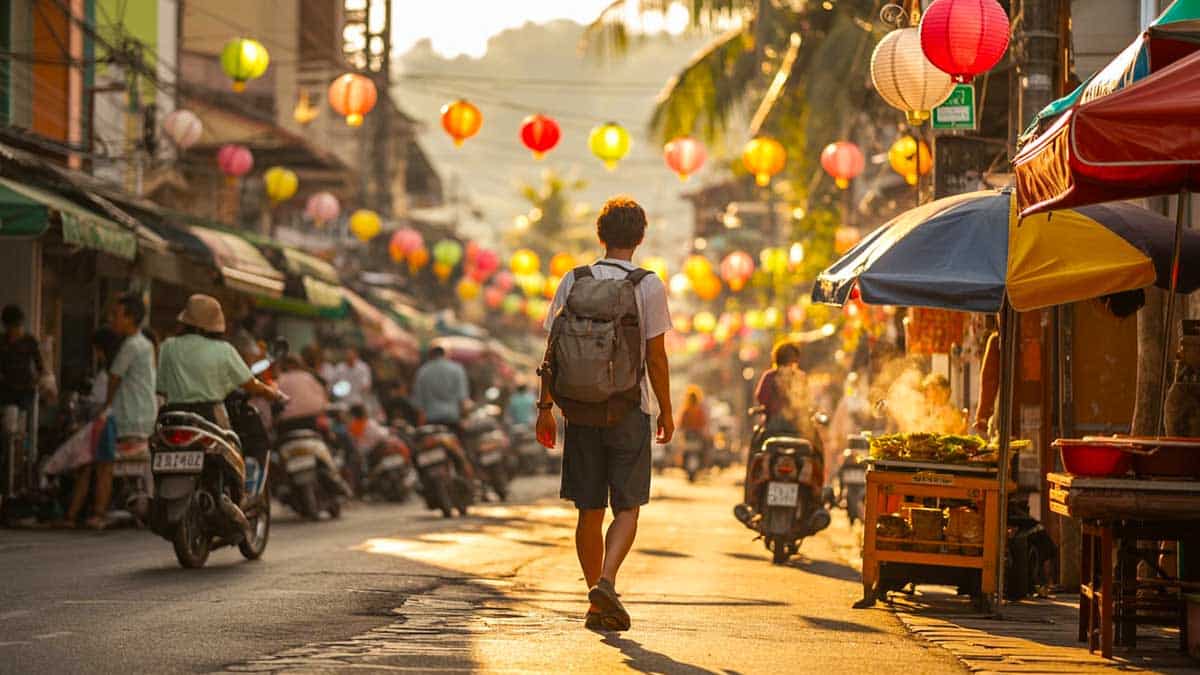
Solo travel in Southeast Asia goes deeper than scoring cheap flights and squeezing into hostel bunks. What really matters is how the region lets you move without friction (how a random breakfast stall in Vietnam becomes your morning ritual, how temple-hopping in Thailand accidentally turns into sharing a tuk-tuk with someone equally directionless). The infrastructure here doesn’t box you into packaged tours or militaristic itineraries. It just… works.
This guide zeros in on places where solo travel feels less like a logistical puzzle and more like an open road. Cities where you can disappear into your own thoughts when you need space, then resurface at a night market when you’re craving conversation. These aren’t just traveler-friendly destinations (they’re places with real rhythms, practical setups, and experiences that don’t require a sidekick to make sense).
Bhutan: the country that quietly slows you down (and you’ll thank it for)
Europe in 2026: the trips worth planning around real dates
Why some places just work better
The best solo travel spots share a few traits that smooth out the rough edges. Solid wifi coverage means you’re not hunting for signals to book tomorrow’s bus or reassure your mom you’re alive. English-speaking locals cut through the panic of being lost or sick. Established traveler routes create those serendipitous meeting points without turning everything into a tourist circus.
And about safety? Solo travel forums obsess over it, but most Southeast Asian cities run surprisingly low crime rates. That uneasy feeling? Usually unfamiliarity, not danger. Street vendors operate in full view, transport follows predictable routes, hostels come with lockers and communal spaces. The infrastructure anticipates your worries.
The solo tax (and how to dodge it)
Solo travelers usually eat the “single supplement” surcharge or shell out more per-person. Southeast Asia flips this script. Private hostel rooms start around $15-20 (real privacy without dorm chaos). Street stalls charge the same solo price as group prices because, well, it’s one plate either way. Temple visits, beach access, most of the good stuff? Free.
Transport networks practically encourage solo wandering. Buses between major cities run like clockwork, overnight trains deliver surprisingly comfortable sleep, ride-sharing apps eliminate haggling anxiety. You can bounce from urban sprawl to coastal calm to mountain air without gluing yourself to a tour group or negotiating private driver rates that mysteriously triple.
Coastal spots where work and waves collide
Southeast Asia’s coastline offers more than Instagram-ready resort strips. Some towns have evolved into hubs where remote workers and slow travelers create their own gravity, pulling in solo visitors who slip into the rhythm easily.
Da Nang: where function actually meets beach
Vietnam’s central coast city figured something out: you can have urban convenience and endless beach without choosing. The seafront runs for kilometers without aggressive hawkers or resort walls blocking access. Coffee shops populate every corner, dispensing strong Vietnamese coffee and reliable wifi for pocket change ($2-3). Solo travelers appreciate the scale (walkable neighborhoods, quick motorbike taxis, no getting swallowed by urban sprawl).
Da Nang works as your base camp. Hoi An’s lantern-lit streets sit 30 minutes south (cooking classes welcome walk-ins). Ba Na Hills offers mountain air and cable car theatrics an hour west. Hue’s imperial sites sprawl 2 hours north. Day trips stay flexible (book through your hotel, find something online, or just… go).
Budget Reality Check
- Beach hotels, single rooms: $25-40/night
- Local restaurant meals: $2-4
- Motorbike taxi across town: $1-2
- Coffee with workspace: $2-3
Penang: the slow lane
George Town operates at half-speed compared to Thailand or Vietnam’s main cities, which gives you actual breathing room. The UNESCO-listed streets hold pre-war shophouses converted into hostels, hole-in-the-wall cafes, tiny museums. Street art murals create photo ops that somehow avoid feeling staged for tourists.
But food? That’s George Town’s real currency. Hawker centers serve char kway teow, laksa, roti canai from dawn until late (most dishes under $3). Solo diners fold naturally into communal seating, swapping recommendations with whoever lands at your table. Locals, travelers, regulars who’ve been hitting the same stall for twenty years.
When you want altitude over attitude
Not every solo traveler chases beaches or buzzing nightlife. Southeast Asia’s inland destinations offer different tempos(culture-heavy, history-thick, cooler air).
Siem Reap: look past the temples
Angkor Wat dominates Siem Reap’s identity, sure. But the town itself? Worth sticking around for. After morning temple runs (go early, beat the crowds, thank yourself later), the Old Market area unfolds into local crafts and street food stalls. Pub Street concentrates tourist energy, but drift down side streets and you’ll find quieter restaurants, galleries that actually sell local art.
Solo travelers find Siem Reap surprisingly accessible. Tuk-tuk drivers cluster at major corners, tour operators accept single bookings without penalty fees, cafes and restaurants welcome solo diners with counter seating and laptop-friendly layouts. The compact center means you can walk almost anywhere after sunset without that over-the-shoulder feeling.
| What You’re Doing | Solo-Friendly? | What It Costs |
| Temple tours | Easy (individual tickets work) | $37 (1-day pass) |
| Cooking classes | Totally doable (regular schedule) | $20-35 |
| Phare Circus shows | No awkwardness (single tickets standard) | $18-38 |
| Restaurant dining | Counter seating everywhere | $4-8 per meal |
Chiang Mai: built by digital nomads, good for everyone
Northern Thailand’s cultural center earned its reputation partly by welcoming solo travelers before it became everyone’s thing. Digital nomad communities established coworking spaces, weekly meetups, housing designed for independent workers. That infrastructure now benefits all solo travelers, laptop or not.
The Old City’s compact grid makes navigation almost impossible to screw up. Buddhist temples offer free entry and quiet courtyards when you need to decompress. Weekend markets sprawl across multiple blocks without aggressive selling tactics. Cooking schools and meditation retreats regularly accommodate individuals (no group minimums, no forced bonding activities).
Here’s What That Actually Means
Chiang Mai gives you options without forcing choices. Hit an evening market and conversations with other travelers happen organically. Sit in a temple courtyard and you’ll get undisturbed peace. The city supports both modes without making either feel wrong.
Big cities that don’t overwhelm
Major cities intimidate some solo travelers (crowds, complexity, getting lost in translation). But Southeast Asian capitals often surprise you by being more navigable and safer than expected.
Bangkok: chaos that makes sense
Thailand’s capital throws intense energy at you, but backs it up with infrastructure that actually functions. The BTS and MRT metro systems connect major neighborhoods clearly and cheaply (around $1-2 per trip). Grab app handles ride-sharing for areas metros miss, showing transparent pricing. Hostel common rooms facilitate connections without mandatory participation (join the group heading to street food, or don’t).
The city’s variety means you design your own days. Temple-hopping around Ko Ratanakosin delivers cultural depth. Chatuchak Weekend Market offers sensory overload and bargain hunting that borders on sport. Silom rooftop bars serve polished evenings without requiring an entourage.
Bangkok’s LGBTIQ+ scene deserves specific mention. Following same-sex marriage legalization, the city continues leading regional acceptance. Silom’s nightlife district welcomes all identities openly (across the city, solo LGBTIQ+ travelers consistently report feeling comfortable, accepted, unbothered).
Singapore: safety at a price (sort of)
The island state costs more than other Southeast Asian destinations, but solo travelers catch breaks in specific ways. Single rooms in boutique hotels start around $80 (doubles run $120+), softening that solo supplement sting. MRT links neighborhoods efficiently for under $2 per trip. Hawker centers serve UNESCO-recognized meals for $3-5 while encouraging communal dining by design.
Singapore works especially well for first-time solo travelers feeling nervous about Southeast Asia. English dominates, streets stay safe 24/7, systems operate with Swiss-watch predictability. Build your confidence here, then chaos elsewhere feels less intimidating.
Actually meeting people (without trying too hard)
Solo travel doesn’t require permanent isolation. Southeast Asia’s traveler infrastructure creates natural meeting opportunities when you want company, not when some hostel activity director mandates it.
Beyond the backpacker party scene
Modern hostels evolved past 24/7 beer pong venues. Many now offer private rooms with attached bathrooms while maintaining communal kitchens and lounges. These shared spaces facilitate organic interactions (someone asks about your travel route, you share a locally-bought mango, suddenly you’re joining an impromptu group heading to a night market).
Look for hostels running optional activities (walking tours, cooking sessions, bar crawls). These give easy entry points for socializing without commitment. If you prefer quiet evenings? Private rooms let you retreat while staying budget-conscious.
When activities do the heavy lifting
Cooking classes, diving courses, trekking tours automatically group solo travelers together. Unlike forced group tours, these activities unite people through actual shared interests. You’re learning to make pad thai or exploring reefs together, which generates conversation naturally instead of through awkward icebreakers.
Day tours accepting single bookings became standard in tourist areas. Companies rarely tack on solo fees for temple visits, boat trips, food tours. This makes spontaneous booking practical (spot an interesting tour, sign up, meet fellow travelers that day). Simple.
Worth Knowing
Reynisfjara right now: what changed on Iceland’s black sand beach
Europe’s 2026 travel shortlist: Madeira, Tbilisi, Milan, Glasgow
Coffee shops and coworking spaces spread across Southeast Asia like rumors. These spots attract local workers and traveling professionals, creating cross-cultural connection opportunities beyond the backpacker bubble. Spend an afternoon working or reading in these places and you’ll often start conversations with residents who share actual recommendations, not tourist board suggestions.
Where this leaves you
Southeast Asia works for solo travel because it mixes practical infrastructure with genuine warmth (not the manufactured hospitality of resort staff, but the kind that happens when systems support independence without isolating you). You don’t need a companion to navigate transport, enjoy meals, access experiences. The region lets you be alone when you want, social when you’re ready.These destinations represent starting points, not limits. As you build confidence traveling solo, you’ll discover smaller towns and quieter routes rewarding independent exploration. Start with cities offering support systems, then branch out following your curiosity and pace. Southeast Asia hands solo travelers the freedom to design their own journey without the loneliness that sometimes shadows traveling alone.