
Summary:
- “Country of honor” at IFTM usually means extra visibility in France and more partnerships.
- Uzbekistan counted 29,558 French visitors in 2025 (+26%).
- Internationally, the country reached 11.7 million tourists last year, versus 1.8 million in 2014.
- Practical travel upgrades stand out: Afrosiyob high speed trains and stronger direct air links.
- Accommodation is expanding with major hotel brands and projects like Silk Road Samarkand.
- The destination is also pushing winter resorts and eco travel.
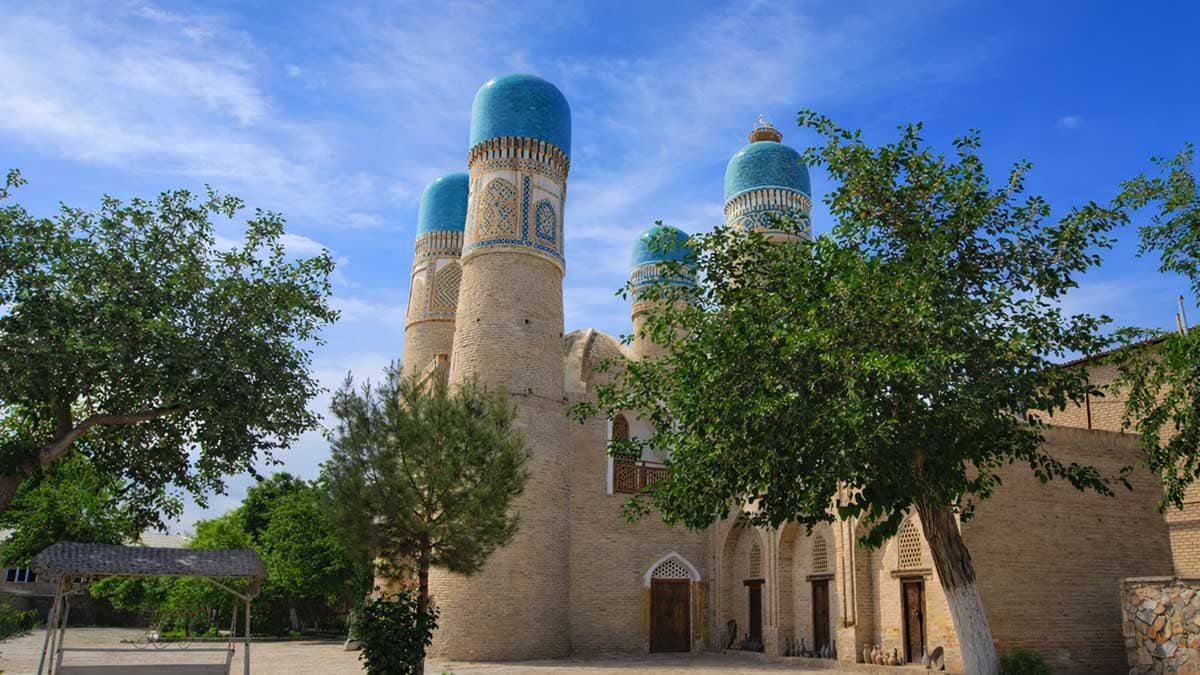
Uzbekistan has long appealed to travelers who like places with strong atmosphere, not just photo stops. Blue mosaics, warm light on old brick, markets that pull you in, and a Silk Road story you can still feel when you walk the streets.
Now it is gaining momentum in France. On January 15 in Paris, RX France officially announced Uzbekistan as the “country of honor” for IFTM 2026. That label can sound far from real life, but it often brings concrete changes, more flight options, clearer itineraries, and a wider range of reliable services for travelers planning a first trip.
Uzbekistan steps into the French travel spotlight
IFTM is where destinations court airlines, tour operators, and media in the French market. Being named “country of honor” is a high visibility role, typically backed by stronger promotion and on site programming that helps a destination stand out.
For travelers, this matters because it can accelerate the practical stuff: more packaged routes, more French language information, and better structured offers. The idea is simple, Uzbekistan wants to keep building its presence in France while showing it can offer more than a one week checklist.
The growth story, in a few numbers
The headline for France is clear: Uzbekistan welcomed 29,558 French visitors in 2025, which represents a 26% year over year increase. Those figures help explain why the destination is investing in visibility and partnerships around IFTM 2026.
On a broader scale, Uzbekistan recorded 11.7 million international tourists last year, compared with 1.8 million in 2014. Numbers alone do not define a trip, but they often correlate with improved capacity, more competition among providers, and smoother standards in the main tourist hubs.
What these trends can mean for planning
| Market signal | Likely traveler impact |
| More French arrivals | More tailored offers, better info flow, easier booking support |
| Higher global visitation | Broader accommodation range, more consistent services in key cities |
| Strong IFTM visibility | Clearer itineraries, partnerships that can improve access |
If you prefer quieter streets in the most visited cities, timing becomes part of the strategy. Traveling outside peak periods can help you enjoy the highlights with more breathing room.
Getting around, where the trip becomes easier
Two practical levers stand out in the information shared around IFTM: internal mobility and air access. This is where Uzbekistan can feel more straightforward than many people expect.
On the ground, the Afrosiyob high speed rail network connects the major heritage cities. For a first timer, it reduces the need for long road transfers and helps keep the trip’s rhythm more relaxed and walkable.
In the air, Uzbekistan Airways is strengthening direct frequencies between Paris, Tashkent, and Urgench. That last link is especially useful if you want to include the western side of the route, because Urgench is the gateway area for Khiva region logistics, which can save time versus backtracking.
Hotels and infrastructure, more choice without losing personality
Uzbekistan has been modernizing tourism infrastructure, supported by the removal of visa requirements for French citizens. This is the kind of change that can make travel planning feel simpler, especially for short notice trips.
Accommodation capacity is also evolving, with international groups such as Hyatt, Marriott, Accor, and Radisson mentioned in the source context. Alongside these brands, projects like Silk Road Samarkand signal an effort to host larger flows and raise the baseline comfort level in certain areas.
More international hotels does not mean you have to travel in a generic way. It simply gives you more options, you can mix a reliable first night stay with smaller guesthouses later, keeping the experience personal and local.
Beyond the classics, winter resorts and eco travel
Uzbekistan is also trying to diversify its travel image. The source highlights winter tourism development around resorts such as Amirsoy and Beldersoy, alongside a push for eco tourism.
This matters because it expands the menu. Even if you come for culture first, you can now think in combinations: heritage cities plus a mountain break, or a nature oriented extension that shifts the trip away from constant monument hopping.A simple way to keep the journey feeling like yours is to pace it well. Fewer stops, more time per place, and one open half day can bring more real moments than a tight schedule ever will.