
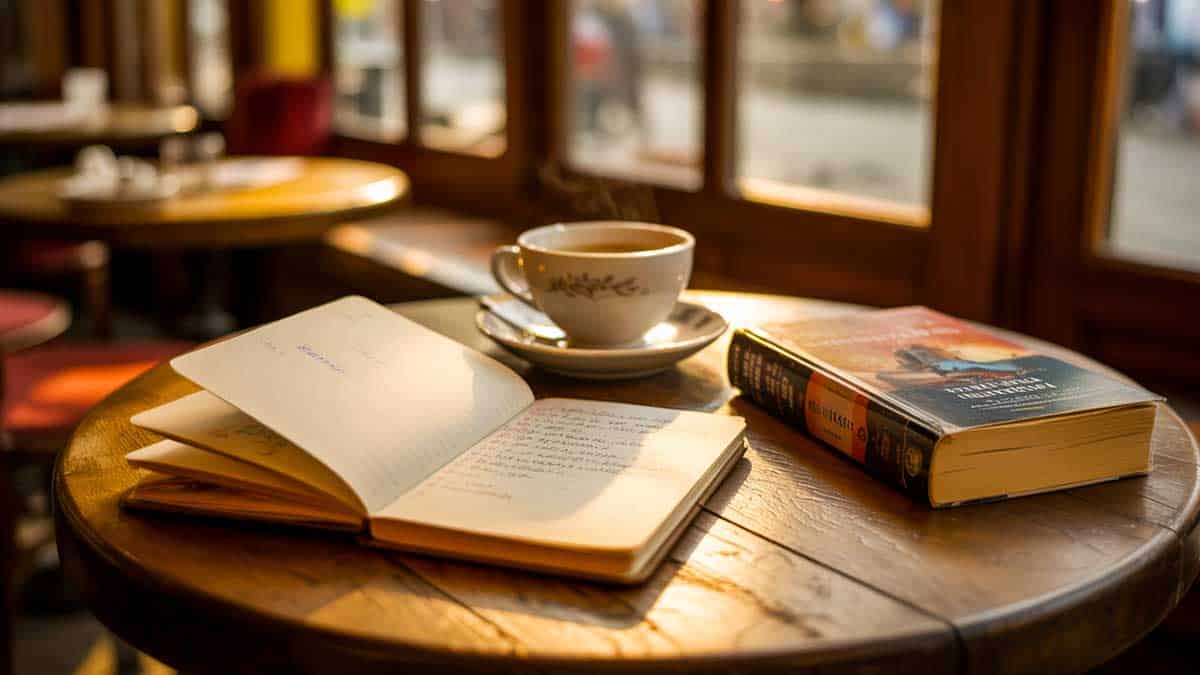
Summary:
- Why travelers increasingly follow the footsteps of authors.
- The festivals where stories come alive in the streets.
- How novels can guide the way you explore a destination.
- Easy tips to weave literature into your next trip.
Many travelers no longer want to rush from monument to monument. They look for moments that explain a place’s soul, the habits and small details that shaped it long before they arrived. Literature naturally opens that door, because it captures the rhythm and atmosphere of a city through someone else’s eyes.
Because this appetite for meaningful stories is growing, several destinations now highlight their writers with genuine care. Festivals spill into the streets, walking routes mirror fictional scenes, and museums help visitors read a city differently. This article explores why literary travel resonates today, where to experience it, and how to bring books into your own way of exploring. Let’s dive in.
Why literary travel speaks to so many people
Following a writer’s trail is not a new idea, yet the recent enthusiasm shows a need for more personal, slower travels. People want trips that leave room for reflection instead of rushing.
A taste for stories, not checklists
Stepping into a café or a square first discovered in a novel creates a quiet form of intimacy. A place becomes familiar before you even arrive. Many travelers enjoy this blend of imagination and reality, because it gives each stop a stronger emotional resonance.
A slower, more attentive way to explore
Literary routes often lead away from busy areas and into quieter neighborhoods, where architecture, habits and local stories reveal themselves at their own pace. This encourages travelers to observe, pause and experience cities in a grounded, unhurried way.
What this means for you
- A deeper connection with the destination.
- Encounters with locals who enjoy sharing stories.
- A balance between cultural depth and simple pleasures.
Bath through the lens of Jane Austen
Bath shows how a city can embrace its literary heritage without exaggeration. Austen lived there only a few years, yet her presence lingers in the streets, façades and gentle atmosphere.
A festival that captures an era
Every September, Bath fills with Regency silhouettes. People parade in period outfits, dance in ballrooms and join themed walks inspired by Austen’s novels. Beyond the spectacle, many come to grasp how people lived, dressed and socialised in a world Austen described with sharp and affectionate observation.
Places worth lingering
- The Jane Austen Centre, filled with letters, portraits and period details.
- No. 1 Royal Crescent, offering insight into Georgian domestic life.
- Sally Lunn’s House, a warm stop to taste Bath’s iconic buns.
Traveler’s note
Bath rewards slow wandering. The crescents, the gardens and the stone buildings echo scenes familiar to readers. With an audio guide, even a simple stroll becomes a way to notice the rituals and customs that shaped Austen’s worldview.
Dublin, walking with James Joyce
Dublin offers a livelier, more spontaneous way to experience literature. Joyce’s presence is everywhere, from bridges to pubs, yet the city carries it with lightness and humor, not solemnity.
Bloomsday, the city as a stage
Every June, Dublin celebrates Ulysses in its spirited fashion. Cafés create themed menus, musicians perform along the route and groups read passages outdoors. The festival feels inclusive and warm, especially when locals join travelers in impromptu readings and conversations.
Why it works
- It brings a complex novel back into everyday life.
- Locals participate with genuine enthusiasm.
- The city becomes a living map of Joyce’s references.
Local tip
The James Joyce Centre offers manuscripts, letters and exhibits that explain Joyce’s relationship with Dublin, making his world accessible and engaging year-round.
Literary travel beyond the famous names
Many cities spotlight their writers with originality. What matters is not the author’s fame, but the way their stories illuminate a place.
Places that reward curious readers
| Destination | Literary link | Experience |
| Edinburgh | Sir Walter Scott, J.K. Rowling | Literary pub tours, Writers’ Museum |
| Paris | Victor Hugo, Simone de Beauvoir | Cafés, historic apartments, St-Germain walks |
| Mississippi (USA) | William Faulkner | House-museums, Southern Gothic routes |
| Yorkshire (UK) | Brontë sisters | Museum visits, moorland walks |
These places show that literary travel often thrives in quiet, unpretentious corners, not in grand monuments.
A gentle approach to travel
Literary tourism pairs naturally with slow travel. You can pause in bookshops, read on a bench or follow a neighborhood described in a novel. It’s a simple, grounded way to explore and understand a city from the inside.
Planning a literary trip, simple and personal
A literature-inspired journey doesn’t require expert knowledge. What matters most is curiosity and a book that left an impression.
A few steps to get started
- Pick a novel linked to a city you want to explore.
- Check if the destination hosts related festivals.
- Look for house-museums, audio walks or guided routes.
- Note cafés, libraries or landmarks mentioned in guides.
- Revisit a few pages before or during your trip.
Budget insight
Most literary activities are accessible. Free outdoor events, affordable museum entries and small bookstore exhibits make this kind of travel easy to enjoy on almost any budget.
Literary travel offers the pleasure of walking through a city with a story in mind. It turns streets into narrative threads and transforms reading into a new way of exploring. Whether you drift through Bath’s crescents or join Bloomsday in Dublin, these experiences add meaning and emotion to a trip.
Curious to follow more story-filled paths? Plenty of destinations are waiting.