Show summary Hide summary
Summary:
- Temperatures were reported as low as minus 39°C, compared with a cited typical level around minus 14°C.
- Disruptions lasted about two days, with multiple cancellations.
- Routes linked to cities such as London, Paris, Amsterdam, and Manchester were affected.
- Finavia pointed to humidity as an aggravating factor, and roads in the region were described as very icy.
- If you’re planning Lapland, a small buffer in your itinerary can save your trip.
If you’ve ever planned a trip to Lapland, you already expect snow and cold. What you don’t always expect is how quickly “normal winter” can shift into a situation where travel becomes a waiting game. Kittilä is a key gateway for northern Finland, so when it stutters, a lot of itineraries wobble with it.
This piece keeps it simple and practical: what’s been reported about the disruption, why extreme cold can be enough to cause cancellations, and how to plan a Lapland arrival that feels calm, not fragile. Think small adjustments, not over-prepping.
Solo female travel: a simple guide to feel safe, social, and fully yourself
Lascaux IV in 2026: the 10th anniversary dates worth planning around
What happened at Kittilä Airport
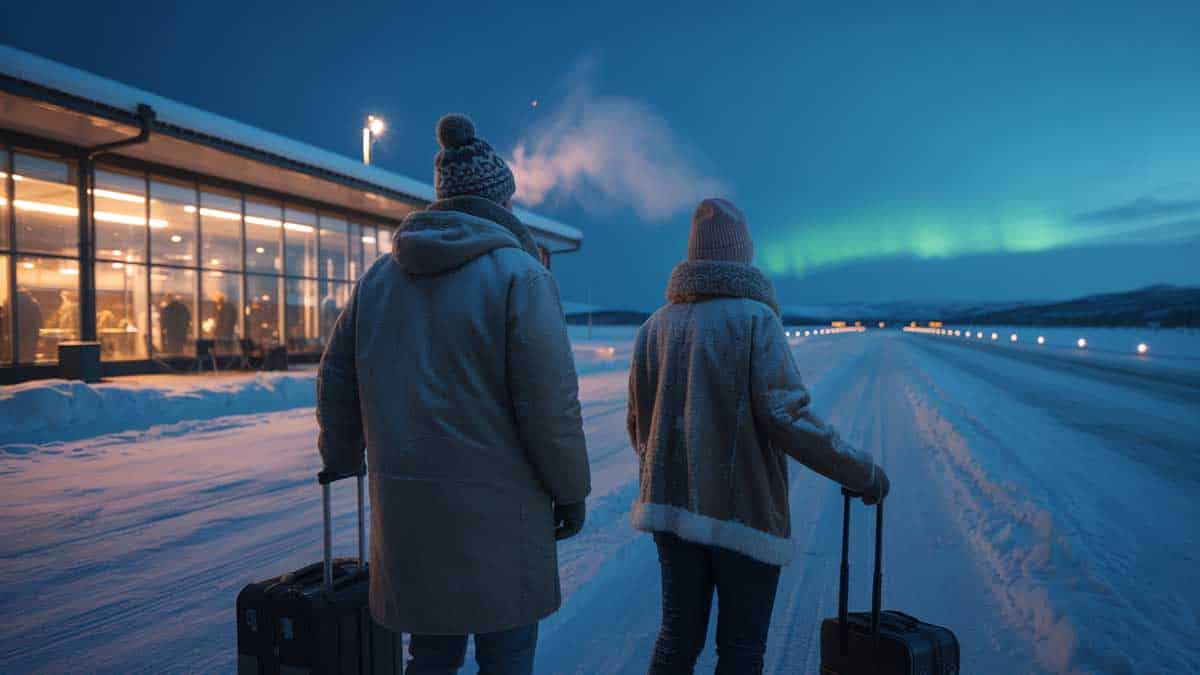
Reports described an extreme cold spell in Finnish Lapland, with temperatures dropping to around minus 39°C. A “typical” figure mentioned for comparison was around minus 14°C, which helps explain why the situation stood out even for the region.
Over roughly two days, several flights were canceled, leaving thousands of tourists stranded at Kittilä Airport. For many travelers, the hardest part is not the cold, it’s the uncertainty: rebooking, waiting, and the feeling that your schedule is slipping away.
Some of the affected connections included routes to London, Paris, Amsterdam, and Manchester. When those links get disrupted, the knock-on inconvenience is immediate, especially if you’ve built your trip around one tight arrival window.
Why extreme cold can ground flights, even without a snowstorm
A lot of people picture flight disruptions as a wall of snow. In the Arctic, a deep freeze can be just as disruptive because it changes the pace and complexity of what happens on the ground. When temperatures get that low, routine operations can take longer and require stricter handling.
Finavia also pointed to humidity as an extra complication. In very cold conditions, moisture can contribute to icing and slippery surfaces, which raises the bar for safe ground movement and turnaround work.
The disruption wasn’t only about the runway, either. Roads in the area were described as very icy, with heavy ice across the region. That matters because “I’ll just leave the airport another way” can stop being a realistic option when driving conditions turn hazardous.
Kittilä vs Rovaniemi: picking the right gateway for your Lapland trip
Rovaniemi is widely known as the classic Lapland gateway, especially for travelers chasing that iconic “Santa Claus” association. Kittilä, on the other hand, is a major entry point for northern Finland, often used for ski-focused stays and trips deeper into the region.
Finavia reported that Kittilä handled 375,000 passengers in 2023, and that it saw significant growth in 2024. More demand is great for connectivity and choice, but it also means that when disruption hits, there are simply more people competing for the same limited alternatives.
If your schedule is flexible, either airport can work depending on your plan. But if your itinerary is tight, for example you have fixed activities booked early, it’s worth thinking about which arrival path leaves you the most room to absorb surprises.
A quick comparison
| Decision point | Kittilä | Rovaniemi |
| Best if you want | Direct access to northern areas and ski zones | A more classic Lapland base |
| When disruption happens | Fewer local alternatives can feel tight | Sometimes easier to reroute, depending on season |
| Ideal itinerary style | Targeted, location-specific plans | More flexible, “base-and-explore” trips |
A practical plan to avoid getting stuck
You can’t control the temperature. You can control how fragile your travel day is.
Start with your timeline. If you can, avoid scheduling anything “non-negotiable” on the same day you arrive. Give yourself a cushion so a cancellation doesn’t instantly turn into a lost hotel night, missed activity, or stressful scramble.
Guimarães 2026: Portugal’s Green Capital you’ll actually enjoy
Greece, Croatia, Albania: three neighbors, three very different travel moods for 2026
Next, pack as if a delay is possible, not dramatic, just possible. In your carry-on, keep a warm layer, essentials, and a phone charger. When you’re stranded, small comforts matter, and they’re the difference between “annoying” and “miserable”.Finally, think about your exit options. If roads are very icy, getting out by car or bus may be harder than you expect. The safe move is to keep one or two backup ideas, like a nearby place to stay and a plan for the next available flight window, rather than betting everything on a quick road transfer.