
Summary:
- UNESCO status can protect a place and still make daily life harder. Two truths can coexist.
- In a living village, the line between public and private is thin. Small gestures matter.
- Delisting exists, but it is rare and complex. It is not a switch.
- You can visit in a way that feels calm and fair. Respect is practical.
Some places are designed for crowds. Others are not, especially when the “main attraction” is a street where someone brings groceries home, closes shutters, and expects a normal day. In that setting, tourism becomes physical, because visitors are standing a few steps from real front doors.
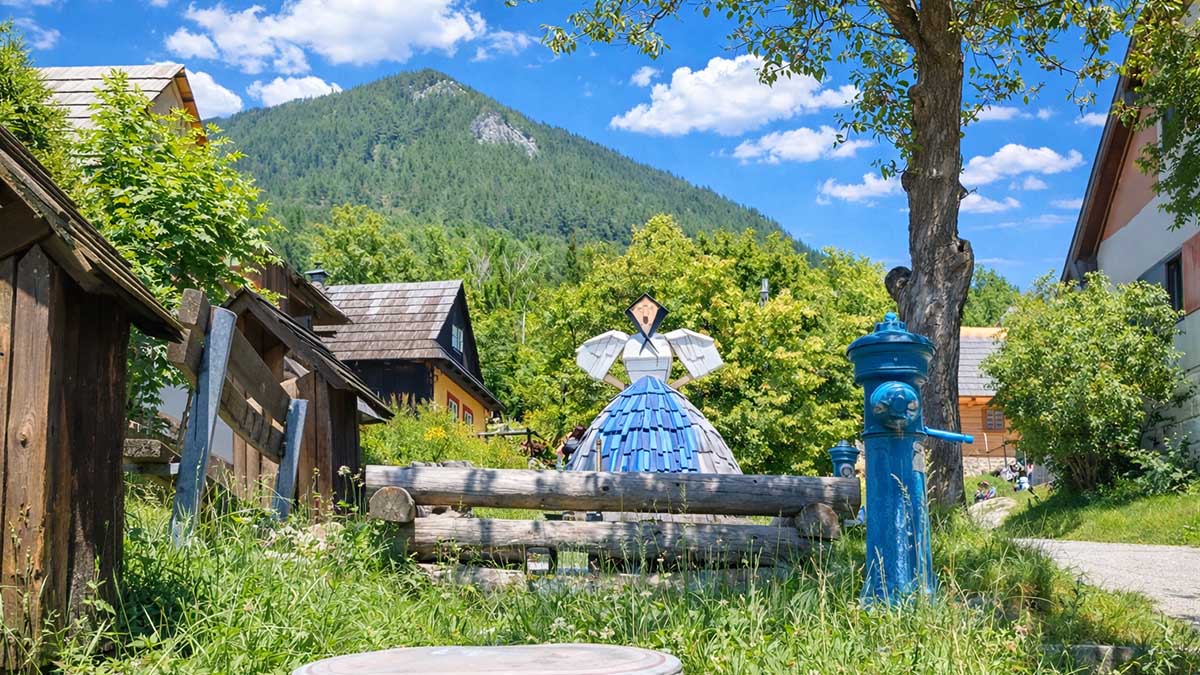
Vlkolínec fits that pattern perfectly. People come for the wooden houses and the preserved feel, then forget a simple fact: this is not an open-air museum. It is a village with private space, routines, and limits. The charm is real, and so is the risk of crossing a line without meaning to.
A world-famous village that is still a neighborhood
Vlkolínec is known for its traditional log houses and the intact layout of a historic mountain settlement. UNESCO listing helped protect that heritage, but it also reframed the village as something the world should see. Recognition brings visitors, and visitors bring pressure in small places.
There is also a less visible side to “protection.” Heritage rules can shape what owners are allowed to repair, replace, or modernize. For a traveler, the result is coherence and beauty. For residents, it can mean slower fixes and stricter constraints. Preservation has a cost, even when it is worth it.
At the heart of it, expectations collide. Many visitors arrive thinking “site,” while locals experience “home.” When those two interpretations share the same narrow lane, tension does not need drama to grow. Proximity does the work, and it happens every day.
When tourism feels personal: windows, fences, and front doors
In big cities, crowds dissolve into the background. In Vlkolínec, everything is close. That closeness is exactly what makes the village special, and also what makes certain behaviors land badly. A small intrusion, repeated all day, becomes a constant presence.
Most conflicts do not come from malice. They come from habits that are normal in tourist zones and awkward in residential space: stepping onto a doorstep for a better photo, raising a phone over a fence, hovering near windows, or chatting loudly in a lane that echoes. One person is nothing, but fifty people a day changes how a place feels.
Here is the mismatch, in plain terms:
| What visitors want | What residents may experience |
| Close-up “authentic” photos | Loss of privacy near homes |
| A slow stroll through a “quiet” place | Noise and lingering in front of doors |
| A preserved look and feel | Restrictions on upgrades and repairs |
| A simple day trip | Traffic and crowding in a tiny area |
If you would not do it in front of someone’s house on your street, do not do it here. That rule saves you, and it respects their dignity.
Can a village quit UNESCO? Technically yes, practically rare
UNESCO sites can be removed from the World Heritage List, but it is uncommon and not driven by a simple local vote. Delisting involves national authorities and UNESCO procedures, and it usually sits in a context of serious damage or major change to the site’s protected value. It is bureaucratic, and it carries symbolic weight.
There is another complication: tourism pressure can rise long after a site is listed. A place can be on the list for decades, then suddenly appear on social media loops, “best of” itineraries, and quick day-trip guides. The label stays the same, but the travel machine around it accelerates. Fame is delayed, and it can arrive all at once.
So the real question is often not “UNESCO or not.” It is “how do we keep a living village livable while people come to enjoy its calm?” The goal is balance, not a headline solution.
How to visit Vlkolínec without being “that tourist”
Good travel is not complicated, it is attentive. In a living village, the best approach is quieter, slower, and less entitled. You are a guest, not an audience member.
A practical etiquette checklist
- Go early or midweek if you can, because it reduces crowding and friction. Timing is kindness.
- Keep a natural distance from doors, windows, fences, and gardens. Space is the point.
- Avoid photographing into private areas, even if the shot looks tempting. Privacy matters.
- Lower your voice, since sound carries in narrow lanes. Volume travels.
- Follow posted rules without debating them on site. Rules exist for a reason.
- Contribute if there are fees or local services, and buy something modest nearby. Support upkeep.
A simple test works every time: would you do this outside someone’s home in your own town? If the answer is no, step back. That pause is respect, and it keeps the visit pleasant for everyone.
Vlkolínec is worth seeing, but it deserves a certain delicacy. If you leave with beautiful memories and the people who live there barely notice you passed, that is a successful visit. The best souvenir is calm, and it helps keep the village alive.