
In summary
• Air Canada will end its Toronto–Charleston route and exit South Carolina in 2027.• Weak demand cut seats and flights sharply, making the route commercially unviable.
• Travelers lose a key nonstop link to Toronto and Air Canada’s wider network.
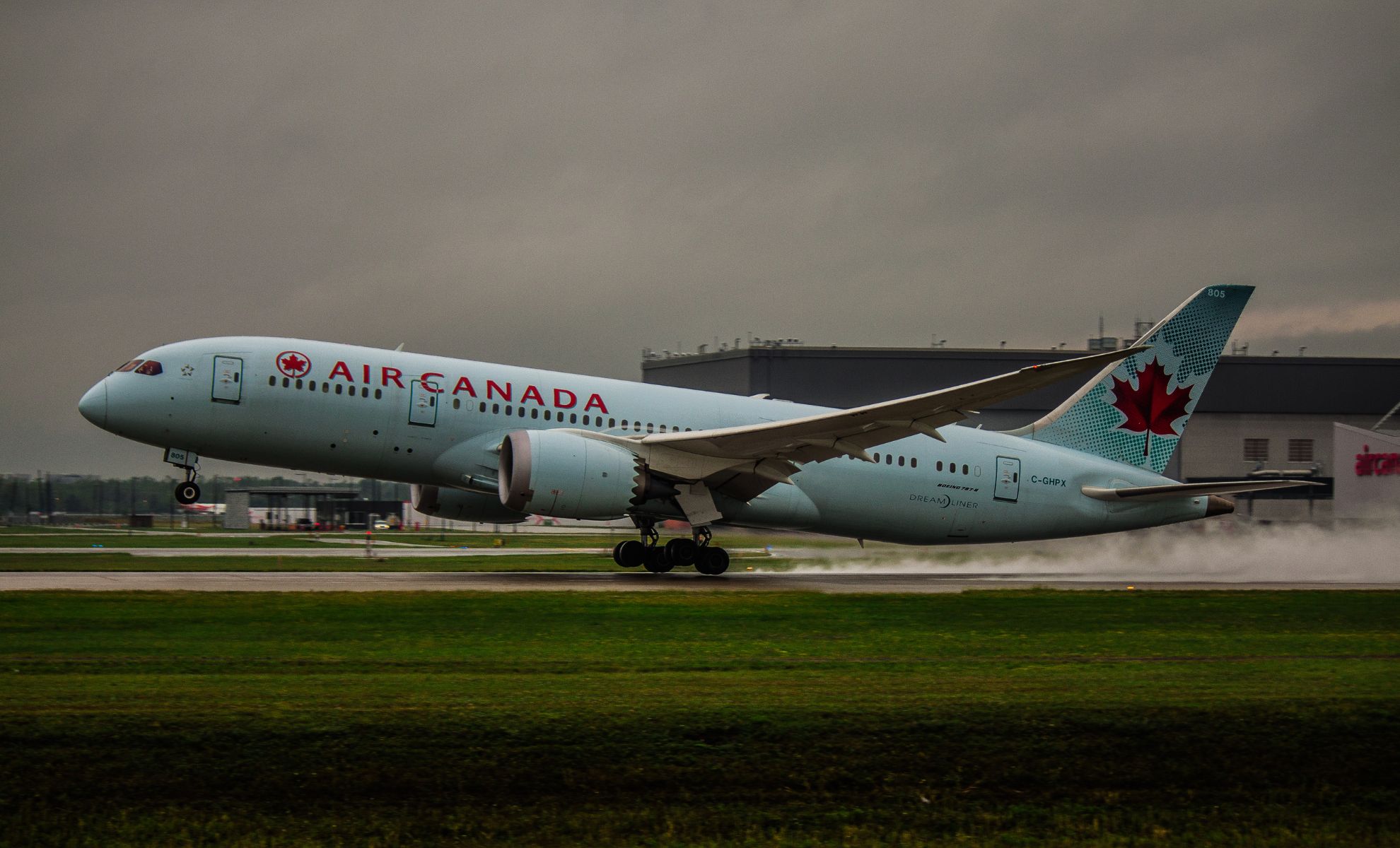
Air Canada is ending its only route to South Carolina, a move that will leave the carrier with no flights at all to the state in 2027.
The airline has decided not to bring back its seasonal Toronto–Charleston service next summer, citing commercial reasons and weaker demand. Because Charleston was Air Canada’s only destination in South Carolina, the cancellation amounts to a complete withdrawal from the state.
For travelers in Charleston, the loss is bigger than a single seasonal route. Toronto is one of Air Canada’s most important hubs, offering connections across Canada and onward to Europe and other international markets. Without that nonstop, passengers will need to connect elsewhere or choose another carrier.
Charleston loses its only Air Canada flight after traffic fell sharply in just two years
The Toronto–Charleston route had a long history. Air Canada first launched service in 2001, suspended it during the pandemic and then restored it for summer 2024 as travel demand recovered.
But the rebound did not last.
According to schedule data cited in the original report, Air Canada operated about 200 departures and offered roughly 15,200 seats on the route in 2024. By 2025, that had fallen to just 92 departures and 6,992 seats.
Air Canada said it routinely reviews its network to ensure capacity matches customer demand and confirmed that the Charleston route would not return for summer 2027 for commercial reasons.
That makes South Carolina the latest U.S. market to feel the impact of weaker cross-border travel between Canada and the United States.
The route cut comes as Canadian travel to the U.S. remains well below previous levels
The Charleston decision is not happening in isolation.
Canadian travel to the United States remains significantly weaker than it was two years ago. In September 2026, trips from Canada to the U.S. were down about 29% compared with 2024, including a 19% decline in air travel, according to Canadian government data cited in the report.
Air Canada has already reduced service to several other U.S. cities, including routes involving Detroit, Minneapolis, Indianapolis and New York. Earlier this year, the airline also delayed or suspended multiple transborder services as high fuel costs and soft demand made thinner routes harder to justify.
The pattern is especially visible in midsize American markets where a single daily or seasonal flight can depend heavily on leisure demand.
For South Carolina travelers, the bigger problem is losing direct access to Air Canada’s network
Charleston International Airport will continue to have extensive domestic service, but losing Air Canada removes a convenient one-stop option to many destinations beyond Toronto.
Travelers heading to Canada may now need to connect through another U.S. hub, while passengers using Toronto as a gateway to Europe or elsewhere will have to build a different itinerary.
The change may also matter for tourism in Charleston, which had been attracting growing interest from Canadian visitors before cross-border demand weakened.
Air Canada’s retreat from South Carolina does not mean Canada-U.S. flying is collapsing altogether. The airline is still investing heavily in larger transborder markets where demand remains strong.
But Charleston shows what happens when a smaller route stops producing enough traffic: even a long-running international service can disappear quickly.
For South Carolina travelers, the message is simple. The Toronto nonstop is gone for 2027, and for now, Air Canada is leaving the state entirely.
