 Anna Duplantis -
5 days ago
In summary
• French bee signed an interline deal with Southwest Airlines.• One ticket now links 30+ U.S. cities via LAX, MIA, and SFO.
• No codeshare: benefits are limited, but connections are easier.
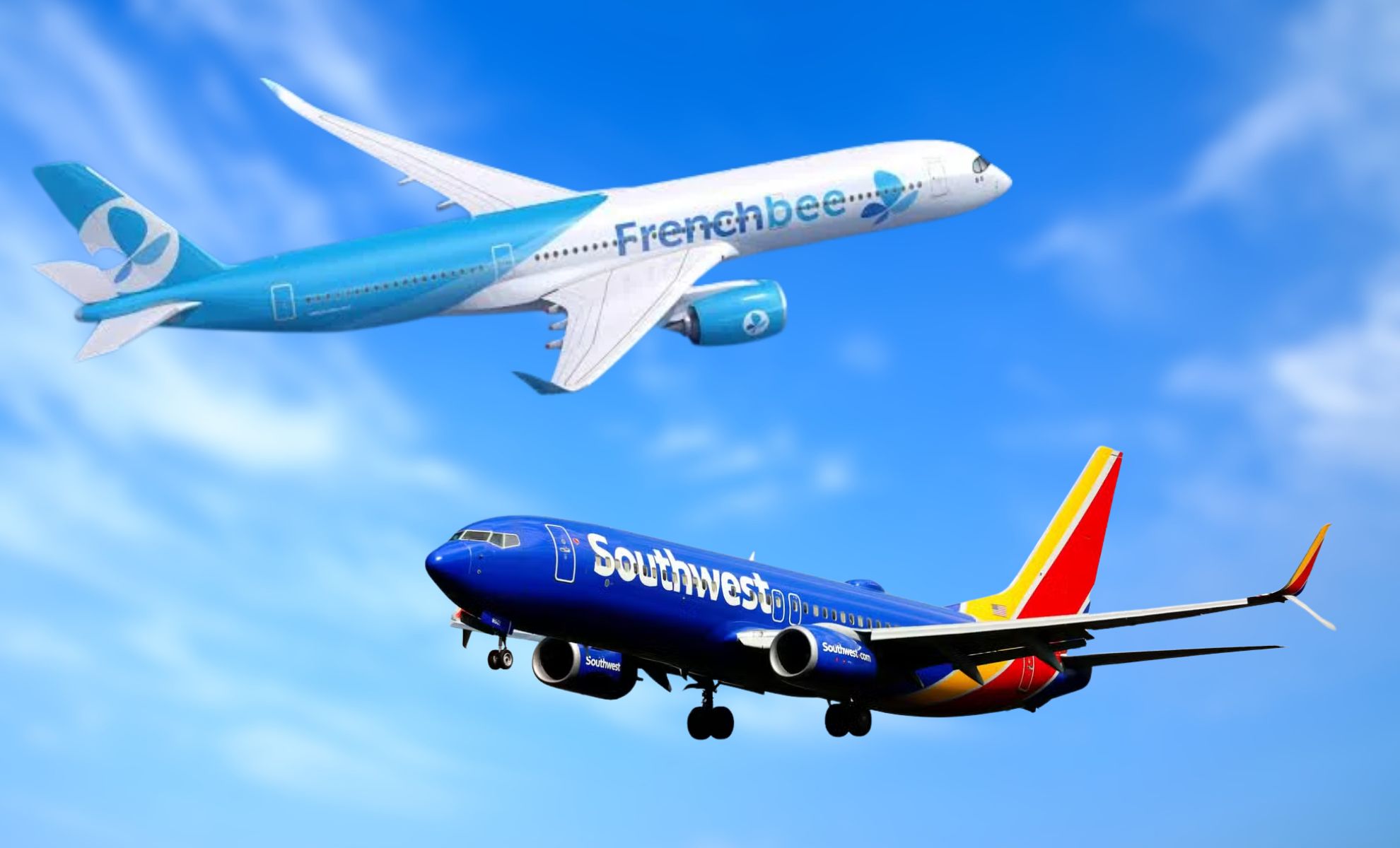
French bee is making a much bigger push into the U.S. market, and American travelers are about to get far more options from one of Europe’s best-known low-cost long-haul airlines. The French carrier has signed a new interline agreement with Southwest Airlines, allowing passengers to combine flights from both airlines on a single ticket. The partnership immediately opens access to more than 30 additional destinations across the United States through Los Angeles, Miami and San Francisco.
For travelers, that means cities such as Las Vegas, Chicago, Dallas, Denver, Nashville, Austin, San Diego, Phoenix and Honolulu can now be linked more easily with French bee’s long-haul network. In the opposite direction, Southwest passengers gain easier access to destinations such as Paris, La Réunion and French Polynesia. Tickets combining both airlines are already available.
More Than 30 U.S. Destinations Are Now Easier to Reach
The partnership is built around Los Angeles International Airport, Miami International Airport and San Francisco International Airport, where both airlines already operate. A traveler arriving on French bee at one of those airports can now continue on Southwest without having to build two completely separate bookings.
That is the biggest practical advantage of the deal. Until now, a traveler flying French bee into California or Florida and continuing elsewhere in the U.S. often had to book the domestic leg independently. With an interline itinerary, the journey can be sold under one ticket, making connections much simpler and allowing checked baggage to be transferred between the two carriers where applicable.
French bee says the agreement gives its customers access to more than 30 additional U.S. destinations. That dramatically expands the airline’s effective footprint in America without requiring it to launch dozens of new long-haul routes itself.
Southwest Passengers Get a New Path to Paris, Tahiti and Beyond
The deal also works in the other direction. Southwest travelers can connect through Los Angeles, Miami or San Francisco onto French bee’s international network, including flights to Paris-Orly and French Polynesia.
San Francisco is especially important because French bee uses the airport as part of its service between Paris and Papeete. That gives Southwest customers from cities across the U.S. another option for reaching Tahiti without arranging completely separate tickets.
For passengers living in cities that French bee does not serve directly, the partnership could make the airline much more relevant. Travelers starting in places such as Denver, Phoenix, Austin, Las Vegas or Dallas can now potentially connect into French bee’s long-haul network through Southwest instead of relying entirely on traditional full-service airline alliances.
There Is One Important Catch: This Is Not a Codeshare
Travelers should understand that this is an interline agreement, not a full codeshare partnership. The two airlines can coordinate passengers and baggage on a single itinerary, but Southwest does not place its own flight number on French bee-operated services.
The agreement also does not mean loyalty benefits automatically transfer between the two carriers. Southwest Rapid Rewards members can generally earn points for the Southwest-operated portion of an eligible itinerary, but travelers should not assume their Southwest perks will apply on the French bee segment.
The biggest benefit is therefore connectivity. Passengers gain access to a much broader combined network without the airlines becoming fully integrated.
Booking Is Open, but Southwest.com Is Not Yet the Main Place to Look
The new itineraries are already on sale, but travelers who want to use the partnership immediately may need to book through French bee, travel agencies or other distribution channels rather than directly through Southwest.com.
Passengers should also pay attention to the rules that apply on each segment. Baggage allowances, seat selection, change policies and onboard services can differ depending on which airline is operating the flight.
That is especially important because French bee operates as a low-cost long-haul carrier, while Southwest has its own fare structure and travel policies. A single ticket makes the journey easier, but it does not make the two airlines identical.
French bee Just Made Its U.S. Network Much Bigger Without Adding Dozens of Flights
For French bee, the commercial logic is clear. The airline already serves major U.S. gateways with its Airbus A350 fleet, but those airports only reach a fraction of the American market on their own. By plugging into Southwest’s domestic network, French bee can now sell itineraries to dozens of cities it does not physically serve.
Southwest benefits as well by giving its customers new long-haul international options through a growing list of airline partners. But for travelers, the appeal is simpler: one Southwest flight can now feed into a French bee journey to Paris or the Pacific, while passengers arriving from overseas can continue deeper into the United States without creating a completely separate trip.
French bee did not add 30 new U.S. routes overnight. In practical terms, however, this agreement brings more than 30 additional American destinations within reach of its network.
