 Anna Duplantis -
2 days ago
In summary
• Albania's Riviera rose fast from hidden gem to social-media hotspot.• Fodor's No List cites overtourism, construction, and infrastructure strain.
• Travel outside peak season and explore less crowded inland areas.
For several years, one European destination seemed almost unstoppable. It went from relative obscurity to social-media obsession, climbing travel rankings, filling Instagram feeds and repeatedly being presented as one of the continent’s next great vacation hotspots. Travelers were drawn by turquoise water, dramatic coastlines, Mediterranean weather and prices that often looked far more attractive than those in Greece, Italy or Croatia.
Its rise was so fast that it began appearing everywhere: “best places to visit” lists, affordable-Europe roundups, summer bucket lists and viral videos promising a beach paradise before the crowds discovered it.
But now, one of the travel industry’s most recognizable publications has delivered the opposite message.
Instead of placing the destination near the top of another “where to go” ranking, Fodor’s has put it at the very front of its No List for 2027, highlighting places travelers may want to reconsider because tourism pressure is beginning to damage local communities, infrastructure and the environment.
The destination is the Albanian Riviera. And its fall from rising European darling to a place travelers are being urged to approach more cautiously says a lot about what can happen when a destination becomes famous too quickly.
The Albanian Riviera Went From Hidden Gem to One of Europe’s Fastest-Rising Vacation Spots
Only a few years ago, Albania was still relatively unknown to many American travelers. Then the southern coastline exploded in popularity.
Places such as Ksamil, Sarandë and Dhërmi began appearing constantly on TikTok, Instagram and travel blogs, usually framed as affordable alternatives to the Greek islands or Croatia.
The appeal was easy to understand.
Travelers could find clear blue water, Mediterranean beaches and coastal scenery without automatically paying Mykonos or Amalfi Coast prices.
That reputation helped fuel a remarkable tourism boom.
Albania welcomed about 12.47 million foreign visitors in 2025, up 6.6% from the previous year. The growth continued in 2026, with roughly 10.7 million foreign arrivals recorded between January and September alone.
For a country that was once overlooked by mass tourism, the transformation has been extraordinary.
But the qualities that made the Riviera famous are now under pressure from the crowds that followed.
Fodor’s Says Some of the Coast Is Being Overwhelmed by Its Own Success
Fodor’s placed the Albanian Riviera at the top of its 2027 No List because of concerns about overtourism, rapid construction and infrastructure that has struggled to keep pace.
Taulant Bino, head of the Albanian Ornithological Society, told the publication that coastal destinations such as Ksamil and Dhërmi have seen a wave of hotel and apartment development without sufficient systems to support the seasonal population.
Waste management and wastewater treatment are among the biggest concerns.
« There are a lot of buildings on the beach in a former pristine coastal area, » Bino told Fodor’s.
That development is particularly visible during the summer, when beaches that were once promoted as peaceful alternatives to crowded Mediterranean resorts can become packed with visitors, sunbeds, vehicles and new construction.
The experience that made the Riviera famous is becoming harder to find at the height of the season.
The Cheap European Paradise Travelers Discovered Is Also Becoming More Expensive
Overtourism is not only about crowds.
One of Albania’s biggest selling points has long been affordability, but rising demand is putting pressure on prices in the most popular coastal destinations.
Accommodation, beach clubs, restaurants and other tourist services can become substantially more expensive during peak summer months.
For travelers arriving after watching older social-media videos promising almost unbelievably cheap Mediterranean vacations, the reality can be surprising.
That creates an uncomfortable contradiction for the Riviera.
The more travelers arrive because Albania is marketed as a cheaper, quieter alternative to Greece and Croatia, the more difficult it becomes for the destination to remain either cheap or quiet.
Environmental Groups Are Warning That Some Damage Could Be Difficult to Reverse
The concerns extend beyond crowded beaches and higher prices.
Tourism development along Albania’s coast has also raised alarms among environmental organizations.
Construction near the Vjosë-Nartë Protected Area, close to Vlorë, has drawn particular concern because the region contains important habitats for birds and other wildlife.
Large tourism projects have become part of a wider debate over how aggressively Albania should develop its coastline as tourism becomes an increasingly important part of the country’s economy.
Environmental advocates fear that once undeveloped coastal land is heavily urbanized, restoring it may be nearly impossible.
« If they are urbanized, nature will lose its battle, » Bino told Fodor’s.
That concern helps explain why the Albanian Riviera ended up on a list that is intended to highlight destinations where tourism growth may be creating consequences visitors do not immediately see.
Fodor’s Is Not Actually Telling Travelers to Boycott Albania
There is an important nuance behind the dramatic “No List” label.
Fodor’s is not calling for travelers to stop visiting Albania altogether.
The publication describes its list more as a warning about where tourism pressure is becoming unsustainable and where visitors should think more carefully about how, when and where they travel.
That distinction matters. Albania is much larger than the beaches of Ksamil and Sarandë.
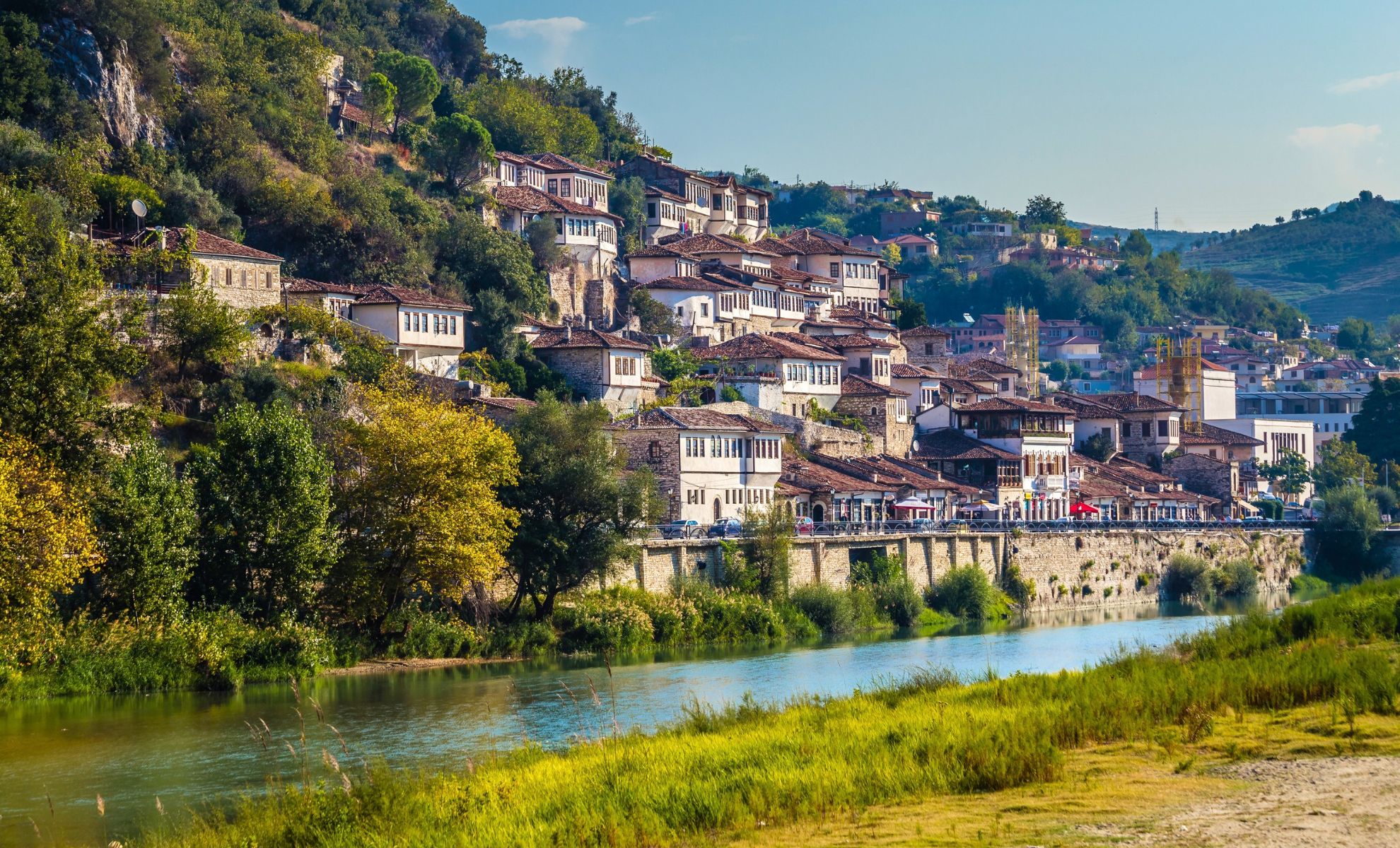
Travelers can explore the Albanian Alps, hike through the Accursed Mountains, visit historic cities such as Berat and Gjirokastër or experience the Vjosë River and inland areas that receive far fewer visitors.
Even on the Riviera itself, traveling outside July and August can produce a very different experience.
Choosing locally owned hotels, guesthouses and restaurants can also help ensure more tourism money stays with the communities absorbing the effects of the boom.
Albania May Be Becoming a Victim of the Very Success That Put It on the Map
There is something deeply ironic about the Albanian Riviera’s current situation.
It became famous because travelers wanted somewhere that did not feel like Santorini, Mykonos or the Amalfi Coast.
They wanted fewer crowds, lower prices and beaches that still felt relatively undiscovered.
That promise fueled the destination’s extraordinary rise.
Now the crowds, construction and rising prices generated by that popularity are putting those same advantages at risk.
For American travelers who have watched Albania climb one travel ranking after another, Fodor’s decision is a striking reversal.
The destination that spent years being told it was one of Europe’s hottest places to visit is now being placed at the top of a very different kind of list.
Not because Albania stopped being beautiful.
Because too many people may have discovered it at once.
