
Summary:
- What prison hotels get right, and where they can feel awkward
- One major 2026 opening in Japan (with confirmed dates)
- Four standout conversions in Turkey, the US, Germany, and Australia
- A quick comparison table plus a booking checklist to avoid disappointment
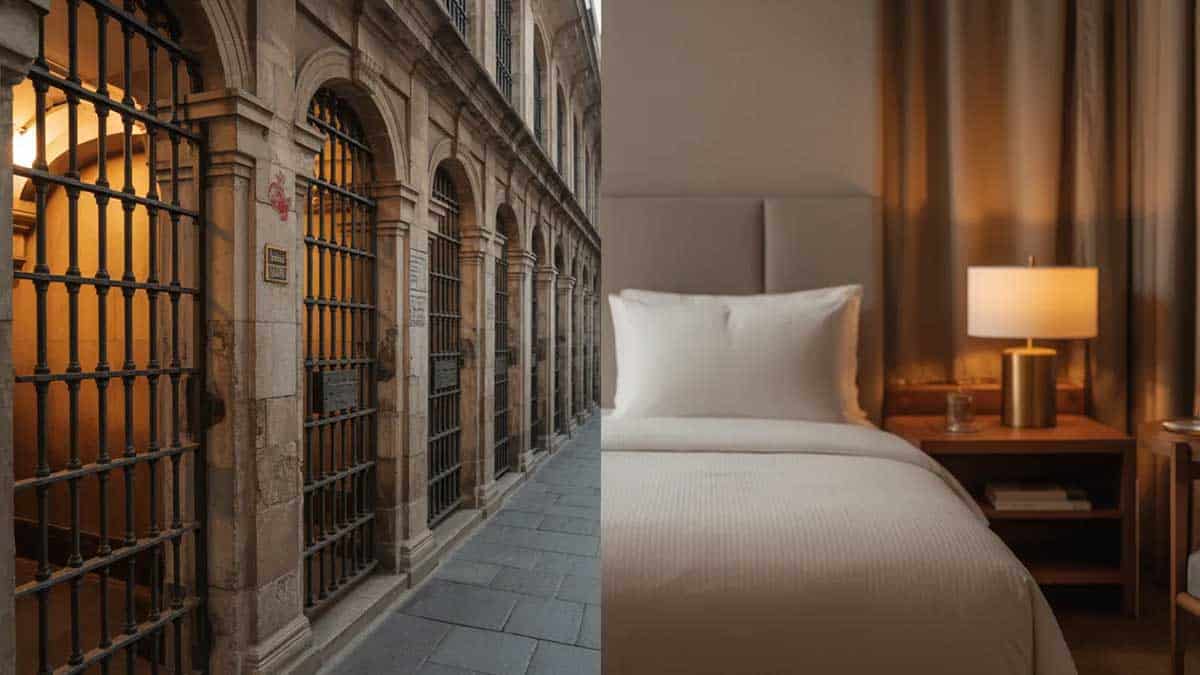
There is a special kind of curiosity that pulls you into these places. You want the architecture, the atmosphere, and that odd feeling of sleeping somewhere that used to mean “no way out.” It is not about pretending to be an inmate, it is about seeing how a building can change without losing its identity.
The key is tone. The best properties treat the past like context, not a gimmick. They keep original bones and details where it makes sense, then build comfort on top. Below, you will find five prison to hotel conversions that are widely reported, with practical tips so the stay feels memorable for the right reasons.
1) Why prison hotels feel so addictive (and when they do not)
A former prison comes with built-in drama, but it also comes with serious architectural advantages. Thick walls, courtyards, long corridors, and grand entryways can translate into impressive lobbies and quiet rooms. In many cities, these sites also sit in highly walkable neighborhoods, because the city grew around them.
Still, not every conversion lands well. If the branding leans on jokes about “doing time,” it can feel cheap fast. The most satisfying stays are usually the ones that keep the prison story present but not performative, with clear historical notes and design choices that prioritize comfort over cosplay.
2) The 2026 opening everyone will watch: HOSHINOYA Nara Prison (Japan)
If you want the freshest entry on the list, keep an eye on HOSHINOYA Nara Prison. The property is scheduled to open on June 25, 2026, and it will be paired with a dedicated Nara Prison Museum that opens to the public on April 27, 2026. Reservations began January 20, 2026, according to the brand’s own announcement.
What makes this project especially interesting is the format: it is positioned as an all-suite retreat, with the building’s heritage treated as a feature, not a theme. The museum component is also a strong signal that the site is being framed as culture plus hospitality, not just a novelty sleep.
If you are planning a Japan trip around this, Nara is already an easy win for a slower itinerary. You can combine the stay with day walks, temples, and the city’s famously relaxed pace. It is a “trip glue” hotel, the kind that can shape the rhythm of the whole visit.
3) Four conversions that already set the bar
Four Seasons Hotel Istanbul at Sultanahmet (Turkey)
This is one of the best known examples because it sits right in the historic heart of Istanbul. The building is associated with the former Sultanahmet Jail, built in 1918 to 1919, and it later opened as the Four Seasons in the 1990s. What guests usually remember is not “prison energy,” but the hush inside and the location near major landmarks.
The vibe is closer to classic luxury than edgy concept. You come for old-stone calm and step-outside sightseeing. If your priority is comfort plus the city’s headline sites, this is the smoothest option on this list.
The Liberty Hotel (Boston, USA)
Boston’s Charles Street Jail is a landmark building, and the conversion into The Liberty Hotel is famous for its bright central atrium. The historic structure closed as a jail in 1990, and the hotel reopened in the summer of 2007. The design keeps the dramatic interior volume while making the experience feel open rather than claustrophobic.
This is a strong pick if you enjoy architecture that you can read at a glance. It is also a great base for walking Beacon Hill and nearby neighborhoods. The building does the talking, you do not need theatrical decor to feel the place’s past.
Hotel Liberty (Offenburg, Germany)
Offenburg’s Hotel Liberty is a calmer, design-forward interpretation. According to the Michelin Guide, the hotel opened in 2017 after careful renovations, with a new glass addition connecting the historic structures. The tone is restrained, with modern rooms and subtle references rather than an in-your-face concept.
If you want a trip where the hotel supports the destination instead of dominating it, this is a smart fit. Offenburg is also well placed for exploring the broader region, including day trips into the Black Forest area. It is “heritage, but wearable.”
The Interlude at Pentridge (Melbourne, Australia)
For something genuinely different, look at The Interlude inside the former Pentridge Prison site in Coburg, Melbourne. The property is described as a 19-suite retreat, and multiple sources note that suites were created by combining four to five original cells into one space. That design move matters because it changes the feeling from cramped to layered, with nooks that come from the old layout.
What you get here is a contrast: heavy bluestone and vaulted brick, then warm finishes and wellness leaning amenities. If you like hotels that feel tactile, with materials you can almost “hear,” this one is a standout. It is moody, not kitsch.
4) Quick comparison table: which one fits your trip?
| Destination | Property | Best for | What to expect |
| Nara, Japan | HOSHINOYA Nara Prison | New opening and museum context | Opening June 25, 2026; museum April 27, 2026 |
| Istanbul, Turkey | Four Seasons Sultanahmet | Top sights with classic luxury | Historic building, calm interior, walk-out location |
| Boston, USA | The Liberty Hotel | Architecture lovers and city weekends | Atrium drama, historic shell, modern comfort |
| Offenburg, Germany | Hotel Liberty | Low-key design and regional exploring | Opened 2017, sleek additions, subtle references |
| Melbourne, Australia | The Interlude at Pentridge | Atmosphere + wellness angle | 19 suites, made by merging 4 to 5 cells |
5) The “no cringe” booking checklist
Start here if you want a stay that feels grown-up and human.
- Check whether the hotel offers clear history (tours, signage, museum tie-ins) instead of vague marketing.
- Look at room photos for natural light and real space, not a dressed-up cell.
- Read the tone of the property’s copy: avoid places that push jail jokes too hard.
- Pay attention to sound: old stone can be quiet, but big atriums can carry noise.
- Confirm the neighborhood: can you get dinner and walk back easily, or will you rely on rides every night.
- Decide what you want the hotel to be: a headline experience, or a stylish base with a story.
If you follow those points, prison hotels can feel surprisingly comfortable. The goal is simple: sleep well, feel the place, and leave with a story that is more interesting than “nice lobby.”