 Anna Duplantis -
1 month ago
In summary
• EasyJet's $7.5B Apollo takeover may close by early 2027.• Apollo may add loyalty perks and premium options to easyJet.
• Workers object, and regulators are reviewing European control rules.
One of Europe’s best-known budget airlines is moving closer to a major change of ownership, and the consequences could eventually be noticeable to millions of travelers.
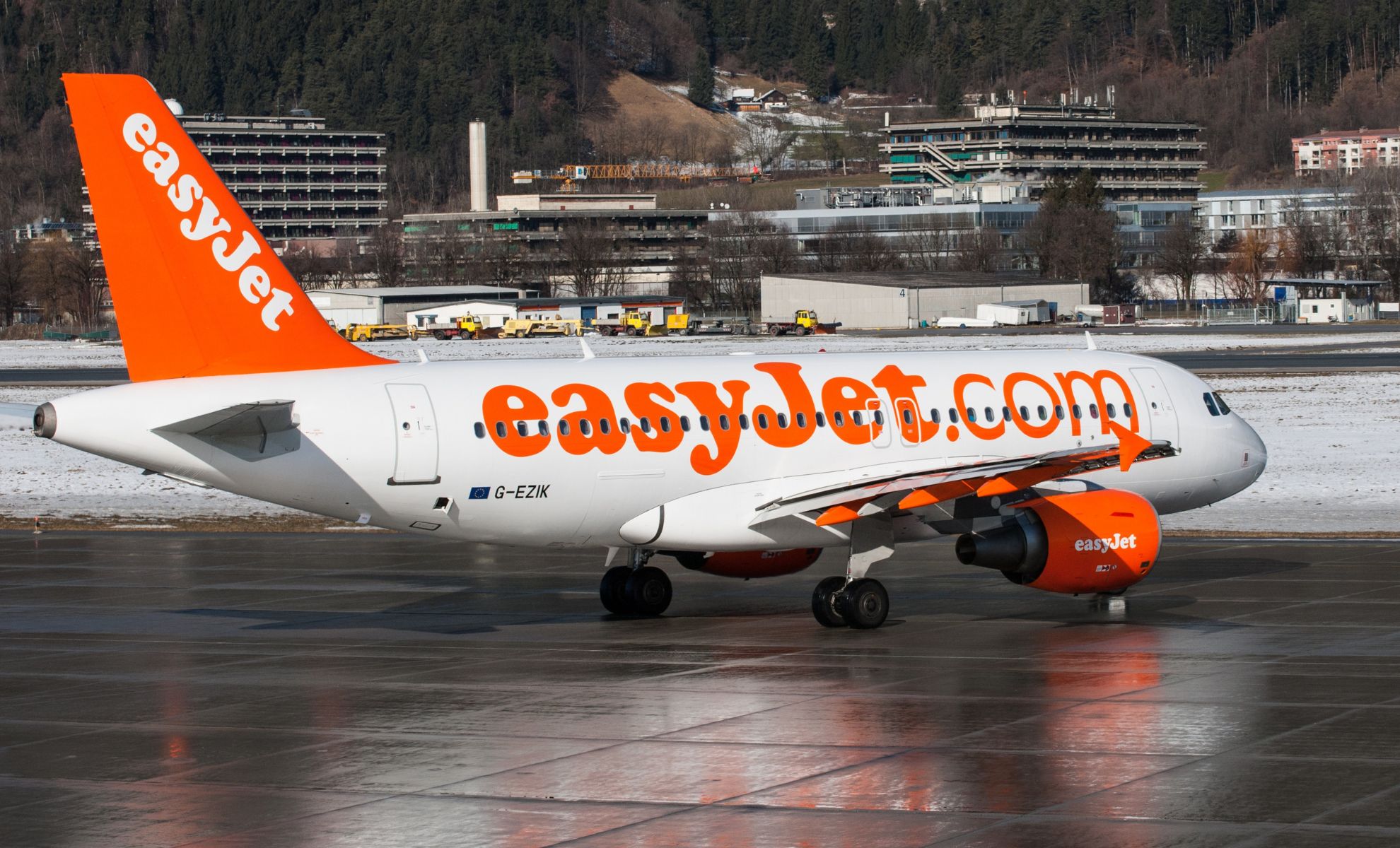
EasyJet says its $7.5 billion takeover by Apollo Global Management remains on track to close by the end of the first quarter of 2027. If completed, the deal would place the airline behind countless cheap flights taken by Americans around Europe under the control of one of the world’s largest private equity firms.
For U.S. travelers, the significance goes well beyond corporate ownership. Apollo is already looking at ways to push easyJet beyond the stripped-down low-cost model that helped make it one of Europe’s largest airlines. A loyalty program, premium travel products and new ways of getting passengers to spend more are among the changes being considered.
That could eventually make easyJet look noticeably different from the airline many Americans use for inexpensive trips from London, Paris, Amsterdam or other European gateways.
Apollo does not appear to be buying easyJet simply to keep everything exactly as it is
EasyJet has spent decades building its identity around relatively simple short-haul travel: low base fares, dense European networks and additional fees for many extras.
Apollo appears to see considerably more value hidden inside that customer base.
The U.S. investment firm’s strategy includes developing a new loyalty program and expanding premium products while creating additional revenue streams. Those plans could mean easyJet increasingly tries to capture travelers willing to pay more for convenience, flexibility or upgraded services rather than competing almost entirely around low fares.
For American travelers accustomed to airline loyalty programs and tiered products at Delta, United and American, some of those ideas will sound familiar. What is more unusual is seeing them pushed further into a European airline that has traditionally positioned itself squarely in the low-cost market.
There is no indication that easyJet intends to abandon cheap fares. But the direction suggests the airline’s next owners believe passengers can be persuaded to spend considerably more around the ticket itself.
A $7.5 billion deal now faces resistance from employees worried about what comes next
The acquisition is far from a formality.
EasyJet’s European Works Council has opposed the deal and warned that the transaction could weaken the airline’s long-term resilience while exposing employees to risks that have not been adequately addressed.
Worker representatives have also questioned the strength of protections offered under the proposed takeover. According to documents reported by Reuters, commitments to employees extend for only 12 months and are non-binding.
Employee bodies in France, Portugal and Spain have stopped short of supporting the acquisition, while representatives in Britain and Germany have taken a neutral position on the financial terms.
That opposition matters because private equity ownership often raises questions about cost controls, debt, employment and how aggressively a company will be pushed to improve returns.
For passengers, none of that means immediate route cancellations or fare increases. But the debate surrounding the deal shows that this is not simply a change of name at the top of the shareholder register.
The biggest obstacle may be whether a U.S. owner can control a major European airline
There is another complication that makes this takeover particularly unusual.
European airlines must comply with strict ownership and control requirements to preserve their operating rights inside the region. Apollo is American, meaning regulators have been examining whether easyJet would remain sufficiently controlled by European interests after the takeover.
Apollo has proposed a governance structure designed to ensure that majority European control is maintained.
EasyJet has already secured some regulatory approvals in countries including Britain, France, Germany, Austria and Malta, although additional clearances remain outstanding.
Reuters reports that the transaction could become an important precedent for future private equity takeovers of European airlines, where foreign ownership rules make acquisitions considerably more complicated than in many other industries.
Shareholders and the court are expected to begin the formal approval process during the week of November 9. If the transaction proceeds as planned, easyJet could ultimately disappear from the London Stock Exchange after more than 25 years as a publicly traded company.
What an Apollo-owned easyJet could mean for Americans flying around Europe
For most U.S. travelers, there will be no dramatic change the day the transaction closes. EasyJet will still fly its aircraft, operate its European routes and sell tickets through the same familiar orange-branded airline.
The more interesting changes could come gradually.
A meaningful loyalty program could make easyJet more attractive to frequent travelers who currently have little incentive to remain loyal to one European low-cost carrier. More premium options could appeal to U.S. passengers accustomed to paying extra for priority services, better seats and flexibility.
But there is another side to that strategy. The more easyJet focuses on increasing spending per passenger, the more travelers will watch to see whether the airline can preserve the ultra-low fares that built its reputation in the first place.
That is what makes this takeover worth following.
Apollo is not buying an obscure European carrier. It is buying one of the airlines that helped redefine how cheaply people could move around Europe. If its plans succeed, easyJet could become a more sophisticated and potentially more profitable airline.
Whether it remains quite as cheap is the question travelers will care about most.
