 Anna Duplantis -
3 weeks ago
Anna Duplantis -
3 weeks ago In summary
• Turkish Airlines ordered up to 150 Boeing 737 MAX jets.• The deal boosts Istanbul capacity and network growth.
• Boeing gains a major win in the narrow-body market.
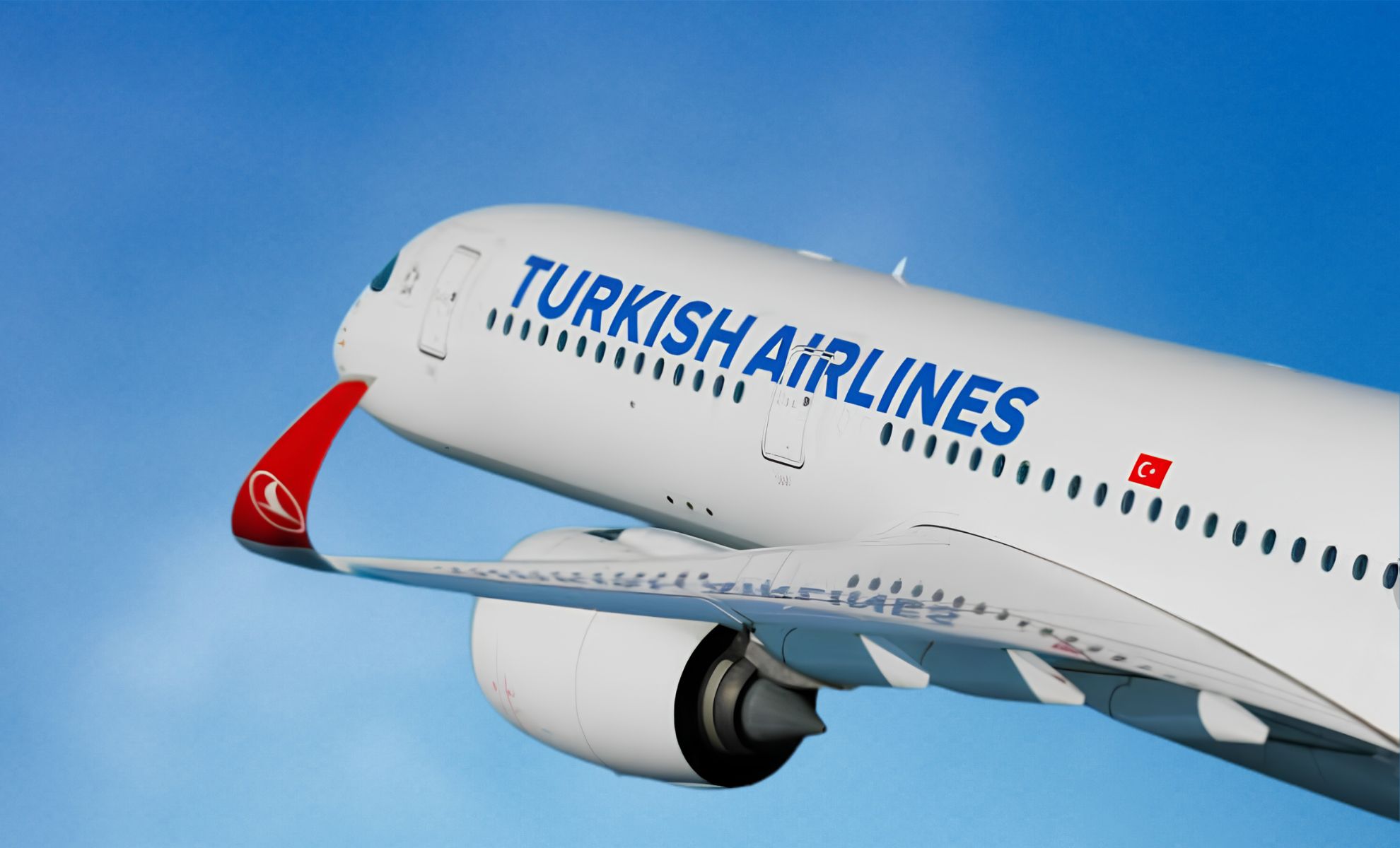
Turkish Airlines is taking another major step in expanding its fleet with a new aircraft order from Boeing.
The airline has finalized a deal for up to 150 Boeing 737 MAX jets, including 100 firm orders for the 737-8 model and options for 50 additional aircraft. The agreement also gives the carrier the possibility of converting part of the order to the larger 737-10 model, depending on future operational needs.
The deal represents Turkish Airlines’ largest Boeing single-aisle aircraft order to date and will support the airline’s plans to increase capacity from its Istanbul hub.
Boeing Secures A Major Deal With Turkish Airlines
The agreement is a significant victory for Boeing as competition between aircraft manufacturers remains intense.
The 737 MAX family has become one of the world’s most widely used narrow-body aircraft ranges, particularly for short- and medium-haul routes. The aircraft is designed to offer improved fuel efficiency, lower operating costs and greater flexibility for airlines managing growing passenger demand.
Turkish Airlines already operates a large Boeing fleet, including 737 MAX aircraft, 787 Dreamliners and other models. The new order strengthens a long-standing partnership between the airline and the American manufacturer.
The announcement was finalized with senior officials from both companies present, including Boeing Commercial Airplanes President and CEO Stephanie Pope and Turkish Airlines leadership.
Turkish Airlines said the new aircraft will help improve operational efficiency while allowing the company to continue expanding its international network.
New Aircraft Will Support Turkish Airlines’ Global Growth
The new Boeing 737 MAX jets will primarily be used on short- and medium-haul routes, allowing Turkish Airlines to increase flight capacity and strengthen connections between Istanbul and destinations across Europe, Asia, Africa and the Middle East.
The flexibility of the order is one of its key advantages. By having the option to choose between different versions of the 737 MAX family, the airline can adapt its fleet depending on passenger demand.
The larger 737-10, if selected for part of the order, would allow Turkish Airlines to carry more passengers on high-demand routes while maintaining the efficiency benefits of a single-aisle aircraft.
The expansion fits into Turkish Airlines’ broader growth strategy. Over the past decade, the airline has transformed Istanbul Airport into one of the world’s most important aviation hubs, using its geographic position between continents to expand its global reach.
The carrier currently serves hundreds of destinations worldwide and continues to add capacity as international travel demand increases.
A Strategic Boost For Boeing In The Global Aircraft Market
The Turkish Airlines agreement comes at a crucial time for Boeing as airlines around the world continue to modernize their fleets.
Fuel efficiency has become a major priority for carriers, with newer aircraft helping reduce operating expenses while improving passenger capacity. Demand for narrow-body planes remains particularly strong as airlines expand regional and international networks.
For Boeing, securing an order of this size from one of the world’s fastest-growing airlines reinforces the importance of the 737 MAX program in the global aviation market.
For travelers, the arrival of more Boeing 737 MAX aircraft could eventually mean newer planes on some routes, additional flight opportunities and increased capacity through Istanbul, one of the world’s busiest international hubs.
The deliveries will take place over several years, gradually supporting Turkish Airlines’ long-term ambition to become an even larger global aviation player.
