 Anna Duplantis -
2 weeks ago
Anna Duplantis -
2 weeks ago In summary
• Volotea entered restructuring as fuel and costs strain its low-fare model.• It may cut aircraft from 44 to 30-35 and reduce some jobs.
• The case warns cheap flights may get scarcer as costs keep rising.
The low-cost airline model was built on one simple promise: affordable fares, efficient operations and high aircraft utilization. But rising fuel prices and increasing operating expenses are putting that formula under unprecedented pressure.
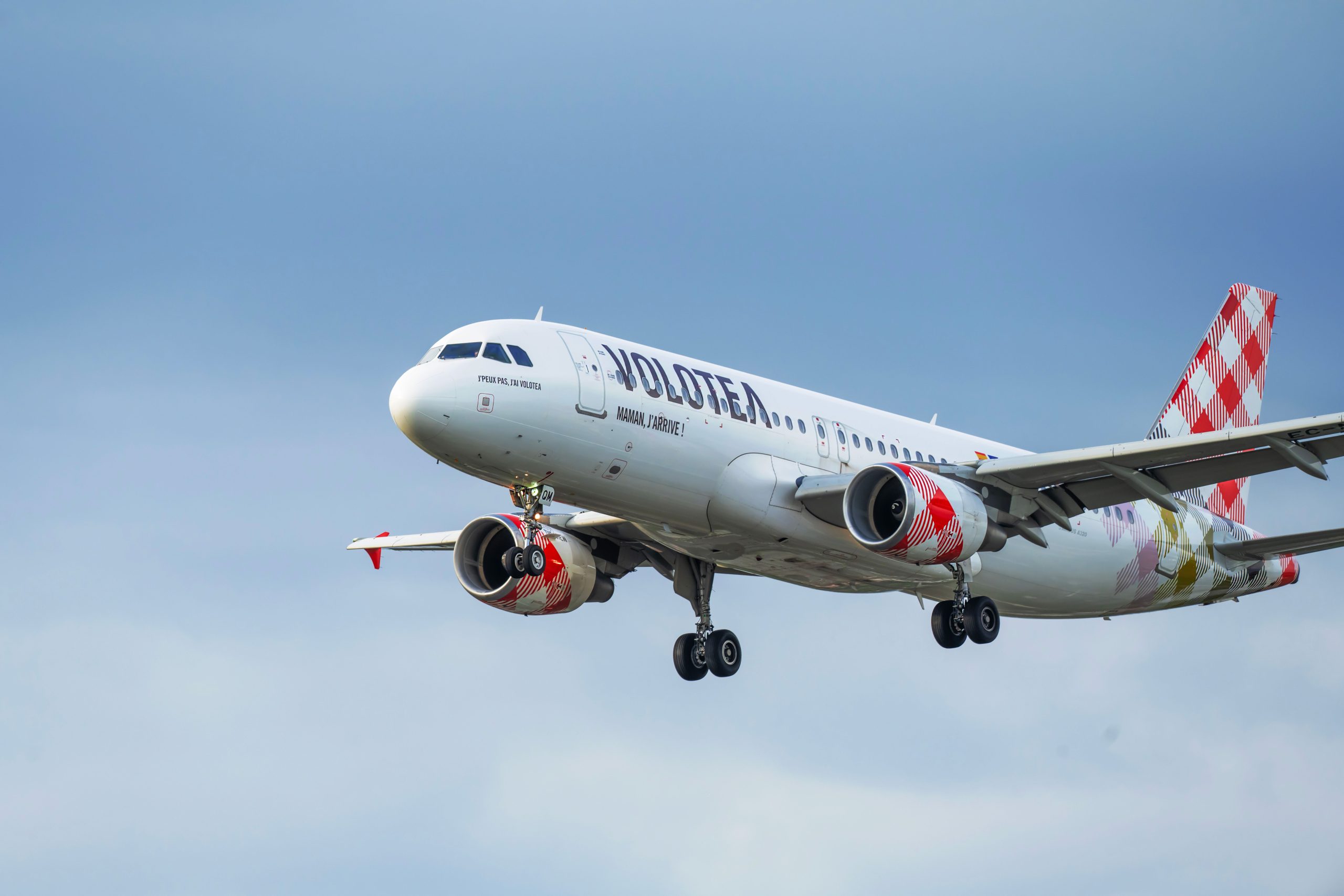
Volotea, the Spanish budget airline known for connecting smaller European cities, is now facing one of the most serious challenges in its history after entering a restructuring process aimed at avoiding a collapse. The Street reported that the airline had filed for bankruptcy protection as it struggles with mounting financial pressure.
The situation does not mean flights have stopped. Volotea continues operating while working on a recovery plan, but the crisis highlights how vulnerable smaller airlines have become in an environment of expensive fuel, rising wages and unpredictable demand.
A $150 Million Fuel Shock Put Pressure on Volotea’s Business
Volotea’s difficulties are closely linked to the same issue affecting airlines around the world: the rising cost of fuel.
The company has been hit by a major increase in operating expenses, particularly after energy prices surged. According to Spanish financial newspaper Cinco Días, the airline is dealing with a financial gap estimated at around €150 million linked largely to higher fuel costs.
For an airline operating a large network of short and medium-haul routes, fuel price increases can quickly transform profitable flights into money-losing operations.
Unlike larger global carriers, smaller airlines often have less financial flexibility. They usually operate on thinner margins and depend heavily on maintaining high aircraft utilization rates.
When costs rise suddenly, airlines must choose between increasing ticket prices, reducing flights or cutting expenses elsewhere.
The Airline Is Considering Fleet Cuts and Job Reductions
Volotea’s recovery plan includes significant operational changes.
The company is reportedly considering reducing its fleet size from around 44 aircraft to between 30 and 35 planes, while also cutting some administrative positions as part of its restructuring strategy.
For travelers, these decisions could eventually affect route availability.
Volotea specializes in connecting smaller European cities that are often ignored by larger airlines. Its network includes routes designed to link regional airports without requiring passengers to travel through major hubs such as Paris, London or Frankfurt.
That business model has made the airline popular among leisure travelers looking for direct connections. But it also makes the company more exposed when individual routes become less profitable.
A flight connecting two smaller cities may have fewer passengers and less pricing power than a major international route.
Why This Matters Beyond Europe
Although Volotea does not operate a large network in the United States, its struggles reflect a broader trend affecting the global aviation industry.
Airlines everywhere are facing the same difficult equation: passengers still want affordable travel, but the cost of operating aircraft has increased significantly.
Fuel remains one of the biggest expenses for carriers. Labor costs, aircraft maintenance and supply chain issues are adding further pressure.
The result is a more cautious airline industry.
Instead of expanding aggressively, many carriers are now focusing on profitability. Routes that once survived because they helped airlines grow their networks are being reviewed based on whether they generate enough revenue.
A Warning Sign for the Future of Cheap Flights
For American travelers, the Volotea crisis is another reminder that the era of ultra-cheap flights may face new challenges.
The U.S. airline market has already seen financial pressure among budget carriers. Airlines such as Spirit Airlines have faced significant restructuring challenges, showing that low-cost models are particularly sensitive to economic shocks.
Low fares depend on a delicate balance. Airlines need full planes, controlled costs and stable fuel prices. When one of those elements breaks, the entire business model can come under pressure.
The danger for passengers is not necessarily fewer flights everywhere, but fewer cheap options.
Routes with limited competition are usually the first to be reconsidered. Smaller airports and seasonal destinations could be among the areas most affected if airlines continue reducing capacity.
What Travelers Should Watch in 2026
The Volotea situation is unlikely to be an isolated case.
As airlines continue facing higher costs, passengers should expect more route reviews, schedule adjustments and attempts to increase revenue through higher fares or additional fees.
The biggest carriers may have enough financial strength to absorb short-term shocks, but smaller airlines have fewer options when expenses rise quickly.
For travelers planning future trips, flexibility will become increasingly valuable. Alternative airports, different travel dates and early bookings could make a significant difference if capacity continues tightening.
Volotea’s restructuring is not just about one European airline. It is another sign that the global aviation industry is entering a period where survival may matter more than expansion.
