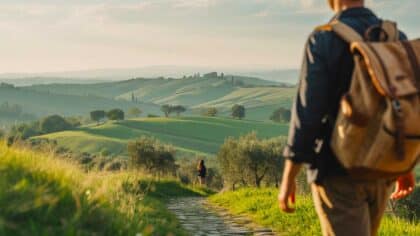
A valley you don’t rush through in northern Italy
Between Bologna and Ravenna, the Lamone Valley reveals itself quietly, through hills, villages and everyday scenes that rarely make the headlines.
Thailand’s islands may look similar at first glance, but the experience can change completely depending on where and when you go. Understanding the differences between regions, seasons, and travel styles helps you choose an island that truly fits the way you want to travel.
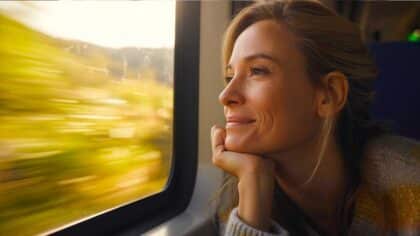
Back on the rails after months of interruption, one of Southern France’s most striking train journeys quietly reconnects the Mediterranean coast with the Alpine valleys, at a pace that invites you to look, not scroll.
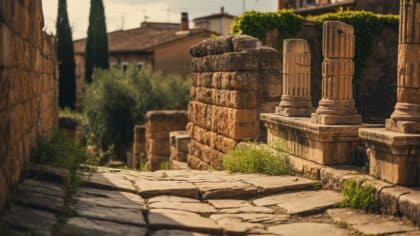
Italy offers one of the rarest travel experiences in Europe: the ability to move freely through places where ancient life is still visible, tangible, and easy to read for anyone willing to slow down and look closely. From Rome’s dense urban ruins to open air Greek temples in Sicily, these sites reveal much more than dates and stones. They tell practical stories about daily life, gatherings, and how people shaped their surroundings.
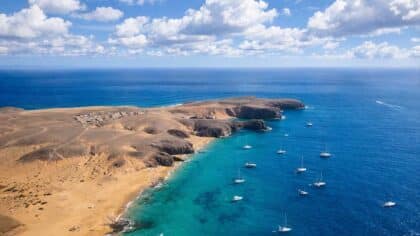
Some islands charm you with color. Lanzarote, instead, surprises through contrast. A dark land, clean lines, and a calm atmosphere greet you from the moment you arrive. Here, the rock influences the routes, villages adapt to the terrain, and light constantly transforms the scenery. This guide reveals the island’s essence, highlighting its volcanic character, its artistic heritage, its beaches, its food, and the gentle pace of La Graciosa. No exaggeration, just the truth of a singular Canary Island.
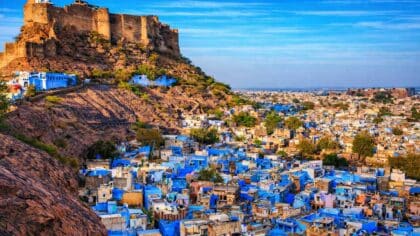
Some cities don’t impress through monuments or scale. They leave a mark through color and everyday details, quietly shaping how streets feel, how people move, and how travelers remember them.
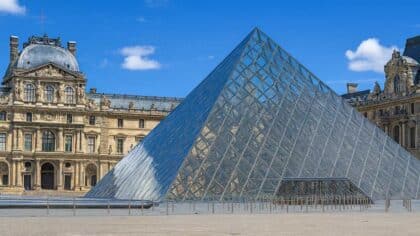
Some museums leave a trace that goes beyond the artworks. They shift how we see a city or its past, and they reveal how much a single place can tell about the world. Their impact often starts long before stepping inside.
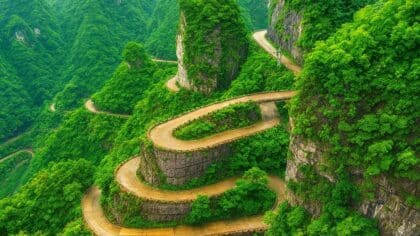
Some trips begin with a destination in mind. Others start with a line on a map. A road that twists through mountains, follows the edge of the sea, or disappears into wide open land can be enough to justify the journey on its own. In those moments, the drive becomes the experience, not a transition.
These are not routes chosen for speed or efficiency. They are taken because they offer something else. Time to observe. Time to feel the place. Time to let the journey shape the experience as much as the arrival. Slowing down becomes part of the reward.
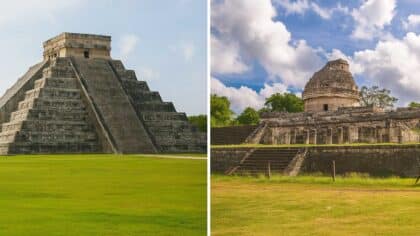
Stone temples in the jungle, cliffs facing the Caribbean, roads swallowed by forest. Maya cities are often photographed, but rarely understood. They still have a lot to say to travelers who take the time to look beyond the surface.