Show summary Hide summary
Summary:
- What makes Chile’s night sky remarkably bright.
- Where to enjoy meaningful, unhurried stargazing sessions.
- How local communities bring a human touch to astronomy.
- Simple tips for a respectful and immersive experience.
Something subtle has been happening in Chile over the past few years, travelers now come for the stars as much as the landscapes, especially in regions like the Atacama Desert or the Elqui Valley where altitude, dry air, and clear nights turn the sky into a natural observatory. Many visitors, even those not particularly drawn to astronomy, find themselves captivated longer than they expected.
But the rise of stargazing tourism goes beyond bright skies. It speaks to a need for silence and real night, far from the glow of cities and screens. Guides take their time, share simple explanations, and weave in local stories that help people settle into the dark. This article looks at why stargazing has become such a meaningful part of traveling through Chile and how to enjoy it fully.
Bhutan: the country that quietly slows you down (and you’ll thank it for)
Europe in 2026: the trips worth planning around real dates
Why Chile’s night sky feels like nowhere else
Chile’s geography brings together altitude, extremely dry air, and minimal cloud cover. In the Atacama, clear nights are so common that locals barely comment on them, which gives the region its reputation for reliable, high-quality stargazing.
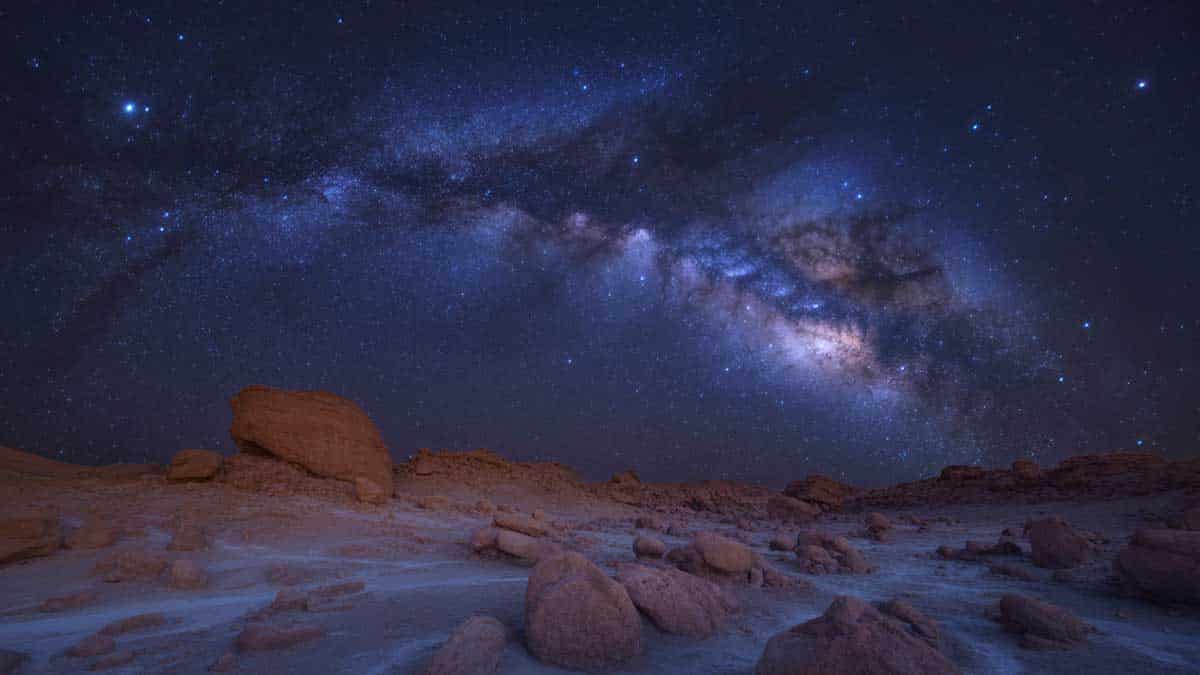
For travelers, the experience is immediate. The Milky Way looks incredibly textured and bright, with constellations that appear crisp from the moment your eyes adjust. Many people describe a feeling of stepping into a deeper night, helped by the silence that wraps around the desert.
What this means for you
- You will see more with the naked eye than expected.
- April to October often brings the most stable nights.
- Bring warm clothing because temperatures drop quickly after sunset.
A quiet travel trend: why more people come for the night
Stargazing is becoming popular for a simple reason, true darkness has become rare. Chile offers large open spaces where nights are still deep, uninterrupted, and calm, giving travelers a moment of pause they did not know they needed.
Guides usually keep things grounded. Instead of overwhelming visitors with data, they share short explanations and local sky stories. The goal is to teach people how to look, not how to memorise facts. The result is often a quiet scene: people lying down, whispering, or simply letting their eyes adjust while the sky reveals more stars minute by minute.
Traveler’s note
Many visitors describe a small but clear shift during their first long sky observation. Not dramatic, but deeply calming, a moment that stays with them.
Where Chile’s night sky shines the brightest
Atacama Desert: the wide open classic
Around San Pedro de Atacama, the landscape almost feels designed for stargazing. Plateaus and dry riverbeds create natural viewing spots where the horizon feels endless. Many tours set up in quiet zones that allow long, comfortable nights under the sky.
Local tip: Look for tours that provide mats or reclining options so you can observe for longer without strain.
Elqui Valley: warm nights and quiet rhythms
Further south, the Elqui Valley offers a softer experience. Days unfold between vineyards and small villages, and evenings stretch into warm nights ideal for slow, relaxed sky observation. Many tours guide travelers to gentle hillsides where nearby lights stay low.
Coquimbo Region: small observatories with a human touch
Community observatories in this region offer simple, warm introductions to astronomy. The sessions are friendly and accessible, with guides who take time to explain what visitors are seeing and how the telescopes amplify details without rushing the experience.
Quick comparison
| Region | Best for | Atmosphere | Ideal for |
| Atacama Desert | Raw clarity | Vast, silent | First-time stargazers |
| Elqui Valley | Slow, warm nights | Reflective, gentle | Couples, solo travelers |
| Coquimbo Region | Simple astronomy | Friendly, local | Families, beginners |
Making your stargazing experience count
A few choices help make the night more memorable.
Choose tours that care about darkness
Regions that protect natural night conditions tend to offer cleaner, brighter skies. Supporting them keeps these nights intact.
Prefer guides who blend facts and stories
A great session mixes context with quiet moments. Look for someone who knows when to speak and when to let the sky do the talking.
Prepare for temperature changes
Even warm days turn cold after sunset. Layers, good shoes, and a red-light flashlight make a big difference.
Checklist
- Book ahead during busy months.
- Choose small groups.
- Confirm telescope availability.
- Bring layers and water.
The unexpected power of a clear night
Reynisfjara right now: what changed on Iceland’s black sand beach
Europe’s 2026 travel shortlist: Madeira, Tbilisi, Milan, Glasgow
Most travelers do not expect stargazing to move them, yet many mention it as the moment that marked their trip. Nothing dramatic happens, the night is simply bright, steady, and quiet. But in that stillness, people feel a rare sense of presence.
It is easy to imagine others watching the same sky centuries ago: farmers, travelers, entire communities reading the stars. That sense of continuity gives the moment depth, making it one of those experiences that lingers long after you leave.Stargazing in Chile is not a bucket-list item. It is a pause in the noise of travel. Whether you find yourself in the vast Atacama or the warm hills of the Elqui Valley, the night invites you to slow down and look longer. And once you have seen the sky this clearly, it becomes hard to forget.