Show summary Hide summary
- 1) Tokyo and Osaka: learn the rhythm, then let it carry you
- 2) Kyoto, but slower: the difference between visiting and actually being there
- 3) Eat your way through Japan, and don’t overthink it
- 4) One nature day can change your whole trip
- 5) Hiroshima, and the side of Japan people don’t always talk about
Summary:
- Japan is easier to travel than it looks, especially in Tokyo and Osaka.
- Kyoto feels better when you slow down and choose a few places well.
- Food is a highlight at every budget, from ramen counters to izakayas.
- A nature day changes the pace, especially around Mount Fuji or an onsen town.
- Hiroshima adds depth and stays with you long after the trip.
Japan is one of those countries that surprises you constantly. Not because it tries to impress, but because everything feels carefully shaped, from the way streets are organized to the smallest meal you’ll eat on a random afternoon. It can be intense, yes, but it’s also incredibly easy to enjoy once you stop trying to “do it all.”
If you’re planning your first trip and wondering what to do in Japan, the best approach is to mix energy and calm. Build a few city days that keep you buzzing, add temples and shrines that you take slowly, make space for food, and give yourself at least one nature break. It’s not about quantity. It’s about rhythm.
Bhutan: the country that quietly slows you down (and you’ll thank it for)
Europe in 2026: the trips worth planning around real dates
1) Tokyo and Osaka: learn the rhythm, then let it carry you
Tokyo looks like chaos from the outside. It’s not. It’s a set of neighborhoods that each feel like their own small world, and once you stop trying to cover everything in one day, it becomes surprisingly easy to enjoy. Tokyo works by districts.That’s the secret.
Start with Shibuya if you want to feel the energy. The crowds, the lights, the “this is really happening” moment. Then, five minutes later, you can be under trees at Meiji Shrine, where everything goes quiet. That contrast is Japan in a nutshell. Shibuya wakes you up. Meiji Shrine slows you down.
Osaka is different. Less polished, more direct, and way more food-driven. It’s the kind of city where you can walk out at night with zero plan and still end up having a great evening. Osaka feels looser. And it tastes better at night.
How to plan city days without turning into a marathon
Pick a vibe per day. One area, two at most. You’ll walk more. You’ll remember more.
- Tokyo (electric): Shibuya, Harajuku, Omotesando
- Tokyo (old-school): Asakusa, Ueno, Yanaka
- Osaka (food night): Namba, Dotonbori, street stalls
- Osaka (retro mood): Shinsekai, small bars, local arcades
Small but real travel tip: go out after dinner. Japan’s cities at night have a different personality, calmer, sharper, more cinematic. Night walks are underrated. Japan shines after dark.
2) Kyoto, but slower: the difference between visiting and actually being there
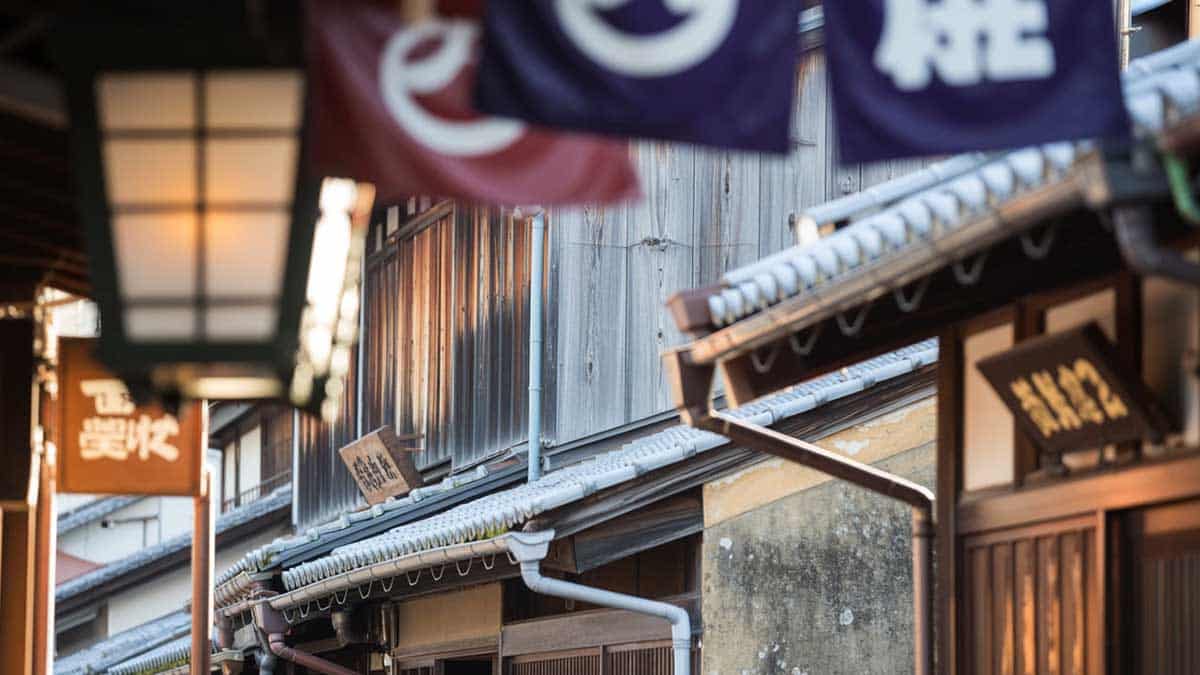
Kyoto is full of iconic places. You already know their names. But what most people don’t realize is that Kyoto isn’t about stacking temples like trophies. It’s about choosing a few and letting them breathe. Kyoto is a mood. Not a checklist.
Fushimi Inari Taisha is popular for a reason, but at noon, it can feel like a theme park. Go early, or late. Suddenly it’s quieter, the light is softer, and the walk feels like an experience instead of a crowd. Timing changes everything. So does silence.
And if you want something calmer with just as much atmosphere, Nara is one of those places that makes your trip feel deeper. Temples, open space, deer wandering around like they own the city, it’s weirdly peaceful. Nara feels gentle. And strangely timeless.
A few simple habits that make shrine visits better
- Go early. Even 8am changes everything. Less noise. More calm.
- Pair one famous spot with one smaller one nearby. Better balance.
- Watch rituals before you take photos. You’ll look differently.
- Stay long enough to notice details: the scent of incense, the wood, the silence. That’s the point.
Try this once: write a wish on an ema plaque or pull an omikuji fortune slip. It’s small, but it makes the visit feel personal. A tiny ritual. A real memory.
3) Eat your way through Japan, and don’t overthink it
Japan’s food reputation is real, but the best meals aren’t always the ones you book months in advance. Sometimes, the most memorable thing you’ll eat is a random bowl of ramen in a tiny place you walked past without noticing. The best meals are often unplanned. That’s part of the fun.
Osaka is often called the country’s kitchen for a reason. Tokyo feels endless: you can eat well at almost any hour, in almost any neighborhood. And outside the big cities, regional specialties start showing up and suddenly you realize Japan isn’t one cuisine, it’s dozens. Japan is regional. Your taste buds will notice.
Easy food rules that work everywhere
- Try one regional specialty in each place you visit. One dish, one memory.
- Eat at least once at a small counter restaurant. Simple. Intimate.
- Use conbini meals for breakfasts and train rides. It’s travel culture.
- Don’t skip desserts: mochi, dorayaki, matcha sweets. Light, sweet, addictive.
A quick budget guide (so you don’t stress about spending)
| Type of meal | What it looks like | Usual range (per person) |
| Convenience store | Bento, snack, drink | $5–$10 |
| Casual restaurant | Ramen, curry, set menu | $8–$15 |
| Izakaya dinner | Shared plates + drinks | $20–$40 |
| Special meal | Sushi counter, wagyu, kaiseki | $50–$150+ |
A smart way to travel: keep lunches simple, then choose a couple of dinners where you splurge. You get the best of both worlds without watching your budget every hour. You eat well. And you stay relaxed.
4) One nature day can change your whole trip
Japan is famous for its cities, but it’s also mountains, forests, lakes, and hot springs, and most travelers don’t give that part enough time. Even one day outside the city can reset your trip. Nature gives you oxygen. And perspective.
The pace slows down. The air changes. You stop looking at your itinerary every ten minutes. You’re just there, fully awake, fully present. That’s when the trip becomes real. Not just busy.
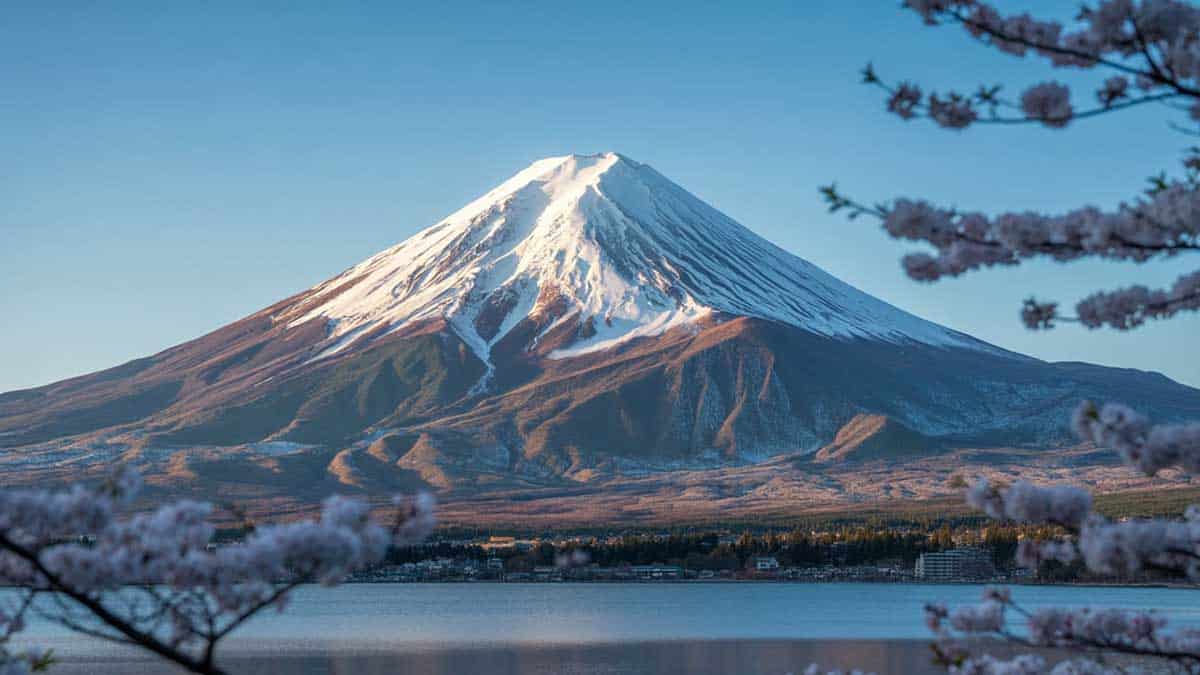
Mount Fuji is the classic. Some people climb it in summer, others prefer to enjoy the view from places like Hakone or Lake Kawaguchiko. If you don’t want crowds, you can do easy hikes near Tokyo or head to the coast around Kamakura. Fuji is iconic. But you have options.
Nature experiences that fit almost any itinerary
- Onsen break: Hakone, Beppu, Kinosaki. Hot water, quiet nights.
- Easy hikes: Mount Takao, Nikko trails, Arashiyama paths. Green, simple, refreshing.
- Lake Fuji views: Lake Kawaguchiko. Postcard scenery.
- Island energy: Okinawa for beaches and coral waters. A different Japan.
Why it matters: nature days balance the intensity. You come back into the city less tired and more present. Less exhaustion. More enjoyment.
5) Hiroshima, and the side of Japan people don’t always talk about
Japan isn’t only beauty and smooth travel. It has weight too. Hiroshima is one of the most powerful places you can visit if you want to understand the country beyond its surface. It’s emotional. And necessary.
The Hiroshima Peace Memorial Park isn’t just something you see. It’s something you feel. The atmosphere is quiet, heavy, respectful, and that’s exactly why it stays with you. You don’t rush here. You absorb it.
Reynisfjara right now: what changed on Iceland’s black sand beach
Europe’s 2026 travel shortlist: Madeira, Tbilisi, Milan, Glasgow
After that, you notice Japan differently. The care in everyday life. The way people move. The way cities rebuild, adapt, and continue. It changes your lens. And it changes your trip.
A respectful way to visit places like Hiroshima
- Read a little before you arrive. Context matters.
- Take your time. Slow travel wins here.
- Don’t rush through museums. Let it land.
- Let silence be part of the visit. It’s not empty. It’s full.
It’s not the kind of stop you tick off. It’s a moment that changes your trip. A hard stop.A meaningful one.