
Summary:
- Some travel prices are reported to be 10 to 20% lower than 2025 in certain cases.
- A drop in visitors from mainland China and reduced flight schedules through March may ease demand.
- The weak yen can stretch on-the-ground spending for many travelers.
- Bloom timing matters: Tokyo around March 20, Osaka around March 24, with Okinawa earlier.
- Watch the proposed visa fee increase from April 2026 and the departure tax rise from July 2026.
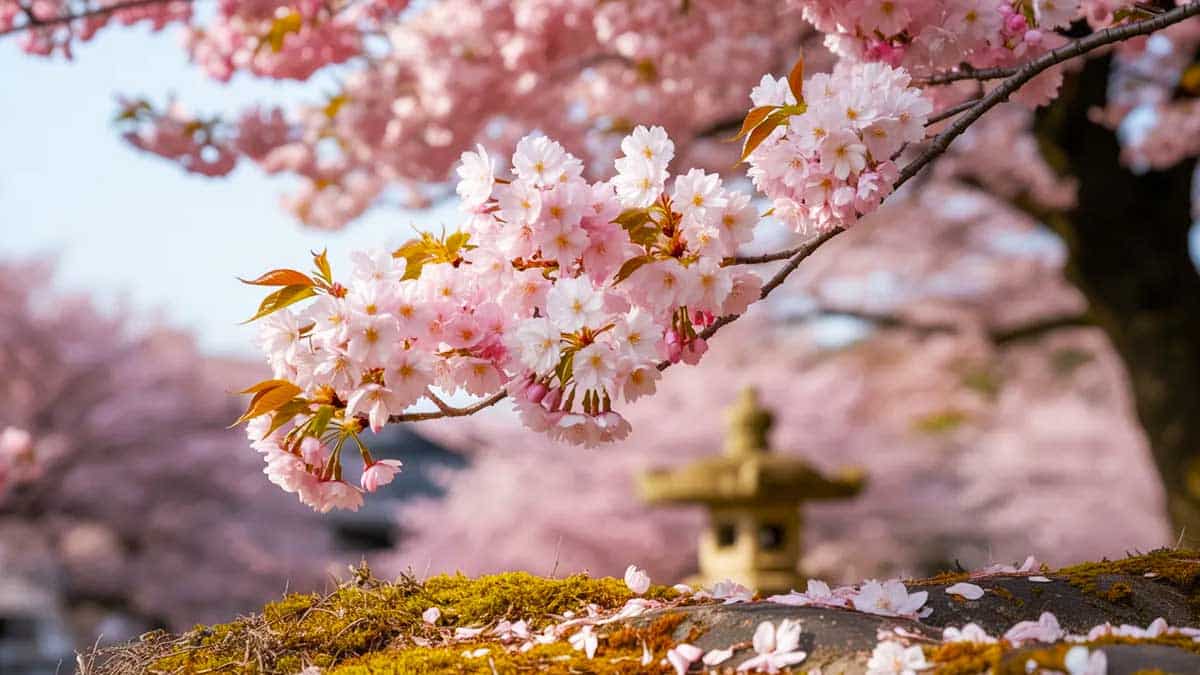
Cherry blossom season has a way of pulling everyone into the same plan: “Japan in spring, Tokyo, maybe Kyoto.” It’s beautiful, but it’s also the most predictable moment of the year price-wise, because demand spikes hard and early.
What makes 2026 interesting is that the usual pressure might ease a bit. Still, “cheaper” can turn into “more expensive than expected” if you ignore fees that arrive later in the year. This guide keeps it simple: go at the right time, budget the right line items, and avoid the small traps that add up.
Sakura in 2026: why the prices may feel lighter
Cherry blossom season almost never comes with discounts, so any sign of relief matters. The reference points to two forces that can soften pricing in 2026: lower demand from mainland China and a weak yen that boosts purchasing power for many foreign visitors.
Visitor numbers from mainland China are reported to be down by about 45% compared with last year, and China has asked airlines to reduce flights to Japan through the end of March. When seats and rooms do not disappear instantly, promotions become more realistic and tour operators get more flexible. That is where the savings usually start.
The dates that matter for both blossoms and budget
Sakura planning is always a small gamble, but forecasts help you aim. The Japan Meteorological Corporation forecast cited in the reference suggests Tokyo blooms around March 20 and Osaka around March 24. Okinawa blooms much earlier, typically January to February.
These dates are not just romantic calendar notes. They also help you dodge certain cost changes that are expected later in 2026. If you can travel in March, you may combine peak blossom weeks with fewer “new fee” surprises than an April or summer trip.
Quick “when to go” guide
- For classic sakura and fewer fee risks, target Tokyo or Osaka in March.
- For early blossoms and warmer weather, consider Okinawa in January or February.
- For later blooms, northern areas often peak in April to May, but that overlaps with potential fee changes.
The 2026 fee checklist: the stuff that can cancel your “good deal”
A lower flight price is easy to notice. The extra charges often show up later and feel unavoidable. To keep your budget honest, factor in the three items below, all mentioned in the source.
Japan is considering a visa fee increase from April 2026, after decades of stability. The proposal cited is a jump from roughly 3,000 JPY to 15,000 JPY for a single-entry visa, and from roughly 6,000 JPY to 30,000 JPY for a multiple-entry visa. Not everyone needs a visa, but if you do, it is a big fixed cost you cannot optimize away.
Kyoto also deserves special attention. A new accommodation tax system is expected to start March 1, with charges depending on the nightly price tier. The key lesson is simple: if you end up booking late and paying higher room rates, you may also slide into higher tax tiers.
Finally, Japan’s international departure tax, introduced in 2019 at 1,000 JPY, is expected to rise to 3,000 JPY from July 2026 for travelers aged 2 and up leaving by plane or boat. It is not huge, but it is universal. Everyone pays it.
Simple snapshot table
| Cost item | What changes | When |
| Flights, hotels, tours | Reported 10 to 20% lower vs 2025 in some cases | Spring 2026, especially March to April |
| Visa fee (if required) | Proposed increase to 15,000 JPY single and 30,000 JPY multiple | From April 2026 |
| Kyoto accommodation tax | Higher nightly taxes based on room price tiers | From March 1 |
| Departure tax | 1,000 JPY to 3,000 JPY for age 2+ | From July 2026 |
The simplest way to keep Kyoto without paying Kyoto prices
Most travelers do the same thing: they try to sleep in central Kyoto during the busiest week of the year. Then they wonder why the room feels priced like a flight. A calmer approach is to make Kyoto a daytime city and choose a base that protects your budget.
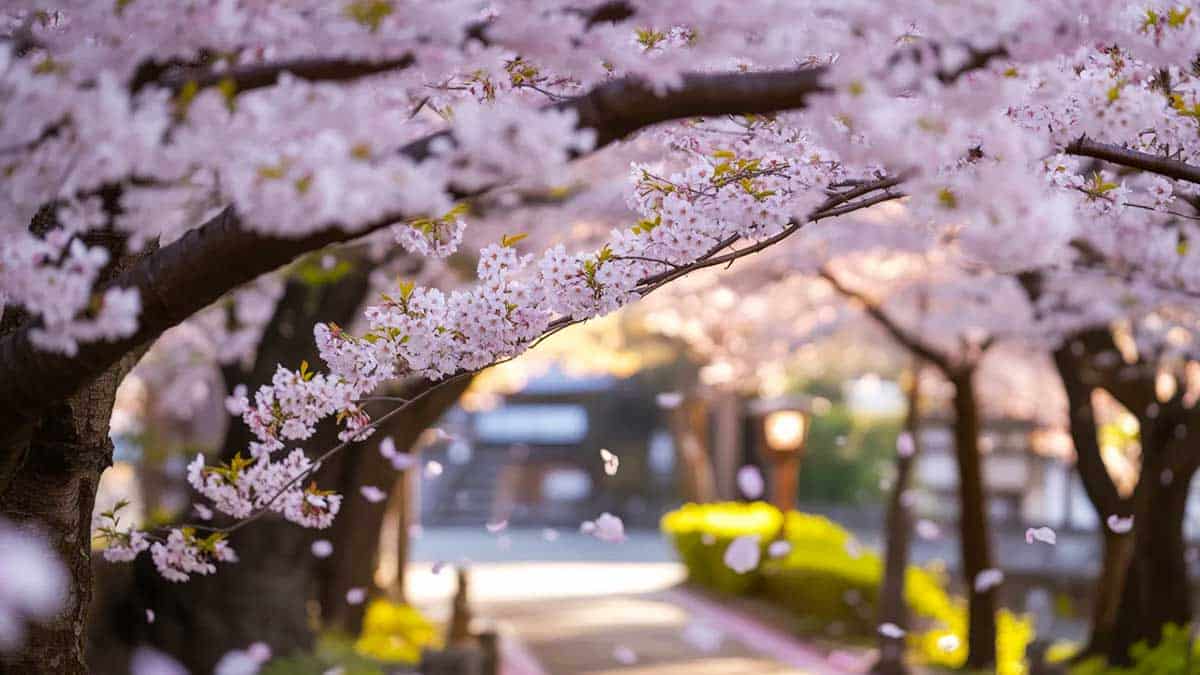
A common tactic is staying in Osaka and taking the train in for Kyoto days. You get the temples, riverside blossom walks, and neighborhoods that make Kyoto worth the effort, but you avoid paying top-tier room rates night after night. The idea is not to “skip Kyoto”. It is to stop paying the premium every single night.
Small moves that keep costs under control
- If you truly want to sleep in Kyoto, book early, even if it is just one night.
- Compare the full nightly total, not just the room price, because tax tiers can change the final bill.
- If you need a visa, check your timing, because a March trip may avoid the proposed April 2026 increase.
- If you travel later in 2026, remember the higher departure tax from July.
Cherry blossom season will never be empty or cheap, and that is part of what makes it feel special. Still, 2026 may offer a slightly easier entry point, especially if you can travel in March and you budget the fee changes properly.Treat this trip like a simple equation: pick the right dates, build your plan around the fees that actually matter, and you will keep more of your budget for the things you will remember, not the costs you regret.