
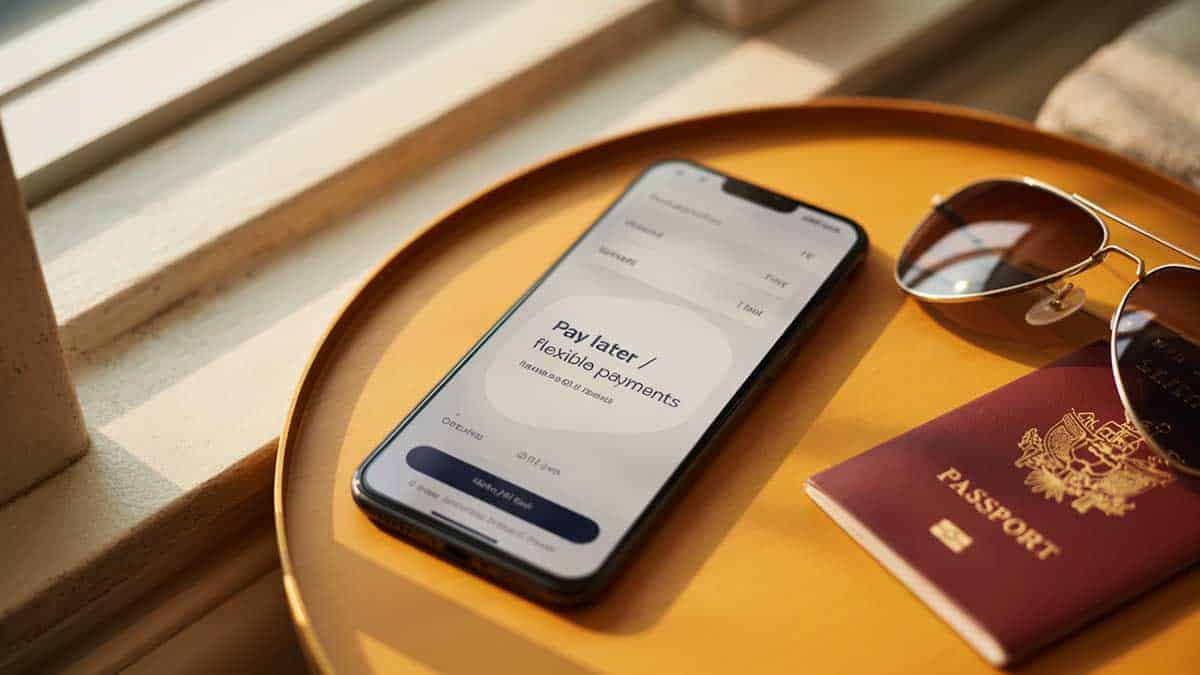
Summary:
- The real-world mechanics behind Pay Later and installment plans.
- Why more airlines are weaving flexible payments into their booking flow.
- When these options genuinely help you plan long-haul or family trips.
- How to decide if BNPL fits your way of budgeting.
Anyone who books flights regularly has felt it, that moment of hesitation before confirming a fare that seems to rise every few weeks. Long-haul routes, school holidays, multi-passenger bookings, the total can climb fast, and paying everything upfront isn’t always simple. Because of this, several airlines have begun adding flexible payment options directly into the booking page. These features existed for years in online retail, and they’re now quietly reshaping the way we plan trips. Travelers appreciate having a little more room, and airlines see fewer abandoned bookings.
These plans don’t lower the ticket price, but they give travelers more breathing space at the moment that matters. Pay Later, installments or financing options let you confirm a flight without paying the full amount on the spot. For many travelers, it’s become a way to book early, stay organised and maintain financial flexibility. Let’s explore how these systems work and when they truly make sense.
Flexible payments, from retail habit to travel essential
For years, BNPL was mostly associated with online shopping. But flight tickets aren’t like buying a pair of shoes, they are high-value purchases often made months before departure. When airlines introduced options to pay later or split the cost, many travelers adopted them quickly. The concept is simple, and it answers a practical need.
What stops many travelers from booking isn’t the fare but the timing of the payment. Giving people an alternative avoids the hesitation that often leads to leaving the booking unfinished. Airlines, in return, see fewer incomplete transactions and smoother user journeys.
How Pay Later and installment plans work in practice
The mechanics feel simple from the traveler’s perspective. At checkout, different payment paths appear, letting you choose how and when to pay. The trip is confirmed immediately, the payment comes later.
The main options you’ll encounter
- Pay Later reserve now, pay after a short delay
- Installments divide the total into equal monthly amounts
- Financing stretch payments over a longer period, often used for premium cabins
Many airlines integrate these services through partners such as Klarna, which provides the flexible options, and Adyen, which processes payments securely at scale. The traveler sees a clean, direct choice while the technology works in the background.
When these plans feel genuinely useful
- When a good fare appears suddenly
- When planning long-haul routes
- When buying multiple tickets
- When travelling during peak seasons
- When you want to keep cash free for accommodation or equipment
Used thoughtfully, flexible payments can make travel planning more predictable and less stressful.
Traveler’s note, how to make these plans work for you
✔ Lock a good fare even when your budget isn’t perfectly aligned, a temporary price drop doesn’t always match your timing.
✔ Turn a large cost into several manageable steps, many travelers find it easier to plan when expenses are spaced across the weeks leading up to the trip.
✔ Ease group coordination, everyone secures their seat without worrying about simultaneous transfers.
✔ Keep funds available for other essentials, from visas to insurance or hotel deposits.
Why airlines care about offering flexible payments
Airlines no longer compete only on destinations and fares, they compete on how smooth the booking feels. A confusing payment page can undo twenty minutes of planning. Adding alternative payment options removes friction and makes travelers more confident.
What airlines gain from it
- More confirmed bookings particularly on expensive routes
- A unified payment infrastructure across markets
- Simpler transaction management thanks to centralized platforms
- A booking experience aligned with modern retail habits
Behind the scenes, flexible payment partners also help airlines handle regional regulations and reduce payment errors, an area that usually requires heavy internal resources. For airlines, it’s a cleaner system, and for travelers, a smoother experience.
Is Pay Later always the right choice? A quick reality check
Flexible payments are helpful, but they’re not a universal solution. They are most useful in specific situations and should support planning, not replace it.
A good match if
- You want to secure a fare before it rises
- You’re buying several tickets at once
- Your budget is planned over several months
- You value predictable monthly expenses
Not ideal if
- You expect fares to drop again
- You prefer paying everything at once
- You’re unsure about matching repayment dates with your finances
Before choosing a plan, consider
- Does the schedule match how I manage my money?
- Are there regional fees?
- Do I understand the payment timeline?
- Am I booking the trip itself, or the payment plan?
A quick moment of reflection can turn BNPL into a helpful budgeting tool rather than an impulse trigger.
Budget insight
Many travelers use flexible payments for long-haul trips or peak-season departures, moments when fares surge temporarily. Families especially appreciate the ability to distribute costs, while airlines extend these options to more markets, starting with Europe and North America. It’s a model that suits both sides, which explains why its adoption is accelerating.Flexible payments don’t change the price of travel, they change how we experience the booking moment. They help secure flights early, reduce the pressure of buying several tickets at once and create a more comfortable planning timeline. As airlines refine their digital tools, these options are likely to become standard, giving travelers a calmer, more controlled way to plan big trips.