Show summary Hide summary
- From pixels to plane tickets: why gami-vacations feel so satisfying
- Pick the vibe first, then choose the city
- Build a “playable” itinerary: zones, side quests, breathing room
- Five destinations gamers love, and how to enjoy them without forcing it
- The practical checklist: keep it comfortable, respectful, and affordable
Summary:
- Choose a destination by vibe first, not by franchise hype.
- Plan by “zones” so your days feel playable and calm.
- Add one daily “side quest” to keep it personal and memorable.
- Focus on timing, light, and pace to capture the same feeling.
- Use a simple checklist to stay respectful, comfortable, and on budget.
A lot of travel advice sounds the same because it starts from the same place: “top attractions.” But if you’ve ever paused in a game just to admire a street, a skyline, or a mountain pass, you already know another way to travel. You’re not collecting landmarks, you’re chasing atmosphere and emotion.
That’s the point of a gami-vacation. You use a game as a spark, then you build a real trip that feels natural: good pacing, real breaks, and room for detours. No forced reenactment, no scripted “main character” behavior, just a clean plan that leaves space for surprise.
Solo female travel: a simple guide to feel safe, social, and fully yourself
Lascaux IV in 2026: the 10th anniversary dates worth planning around
From pixels to plane tickets: why gami-vacations feel so satisfying
Games attach you to a setting before you ever arrive. That’s powerful. You don’t just want “Paris,” you want stone streets and rooftops. You don’t just want “Tokyo,” you want neon nights and rhythm. When you finally step into a place that matches that mental image, the déjà vu hits fast.
There’s another reason this works: games train you to explore. You walk, you wander, you turn corners for no reason except curiosity. That’s basically the best travel habit you can have. The only thing games hide is distance. Real life has no fast travel, and your legs will remind you.
So the best approach is simple: keep the inspiration, drop the overplanning, and build days that feel easy to live.
Pick the vibe first, then choose the city
Before you book anything, ask one question: what do you want to feel? Most game-inspired trips fall into a few clear vibes:
- Old streets and dramatic architecture: cathedrals, bridges, rooftops
- Big-city electricity: neon, crowds, late-night food, transit flow
- Wide landscapes: mountains, coasts, forests, big skies
- Pop-culture comfort: arcades, shops, events, cafés
Once you choose a vibe, destinations become obvious. Here’s a practical match table to keep it grounded.
| The vibe you want | Places that often deliver | Best time to go | The small move that makes it click |
| Rooftops, old stone, familiar corners | Paris | Spring / early fall | Early walk, museum break, river stroll |
| Neon nights with quick mood shifts | Tokyo, Osaka | Fall / winter | One night district, one slow morning |
| Grand plazas and cinematic streets | Rome, Florence, Venice | Shoulder seasons | Viewpoints, markets, long dinners |
| “Open-world city” energy | New York City, San Francisco, Los Angeles | Spring / fall | Explore by neighborhood, not lists |
| Nature that feels bigger than a screen | Norway (fjords and coastal towns) | Summer | Scenic drives, short hikes, slow evenings |
A rule that saves trips: choose one main vibe. If you try to mix everything, you’ll spend your holiday commuting, rushing, and checking your phone.
Build a “playable” itinerary: zones, side quests, breathing room
Think of your trip like a good game map: a few strong areas, clear flow, and space to explore.
Start with 2 to 4 anchor zones. These are places you can roam without bouncing across town all day. You’ll waste less time in transit and gain more time in real street-level travel.
Then add one side quest per day. A side quest is a small detour that makes the trip yours: a market you didn’t plan, a tiny museum, a bookstore, a ferry ride, a park at sunset. Keep it to one so the day stays light and realistic.
Finally, plan around atmosphere. Want that rainy neon feeling? Schedule one evening walk after dinner. Want quiet stone streets? Go early, before crowds build. Timing changes everything, and it’s the easiest way to recreate the emotion you remember.
Five destinations gamers love, and how to enjoy them without forcing it
Paris works because it’s layered: bridges, courtyards, rooftops, long streets that invite wandering. The best version of Paris is not a sprint between monuments, it’s a day built around walking and noticing.
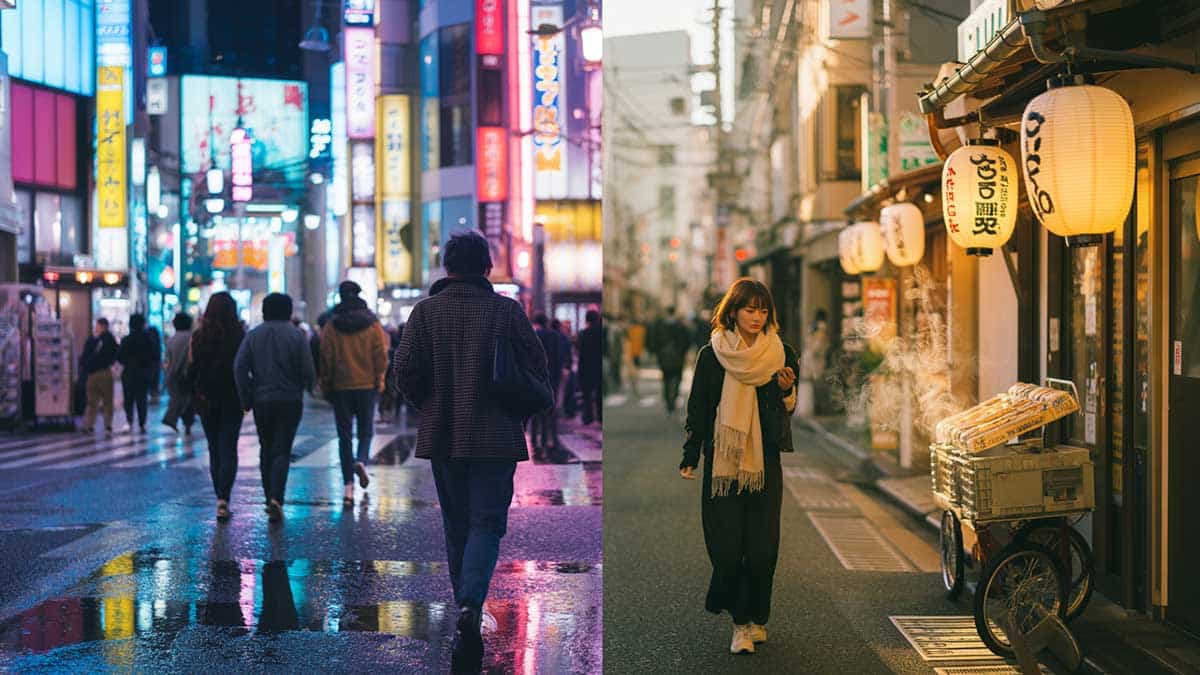
Tokyo shines through contrast. You can go from bright, dense streets to calm pockets quickly, which makes the city feel dynamic without exhausting you. A smart plan mixes one night walk district with a slower morning.
Rome and Florence deliver the “look up” factor. Architecture does half the work. The mistake is trying to pack too much in. A viewpoint, a market, and a long meal can create a day that feels effortless and rich.
New York City and San Francisco are about rhythm more than landmarks. Neighborhood hopping gives you the open-world feeling naturally. Two neighborhoods per day is enough if you actually walk them and give yourself time for small stops.
Norway is the nature pick. Fjords, roads, and coastal towns reward a slower pace. Short hikes and scenic drives do more than a packed schedule. Here, the goal is scale and quiet, not constant activity.
The practical checklist: keep it comfortable, respectful, and affordable
Respect the place first. Don’t block streets for photos and keep quiet spaces quiet. You’ll get better memories by being present, not performing for a camera. That mindset keeps the trip clean and easy.
Budget is simpler than it looks. Pick one paid highlight per day, then build the rest with walking routes, viewpoints, markets, parks, waterfronts, and ferries when they make sense. Those “free roam” moments often become the best scenes.
Guimarães 2026: Portugal’s Green Capital you’ll actually enjoy
Greece, Croatia, Albania: three neighbors, three very different travel moods for 2026
Pack for reality. Comfortable shoes, a light rain layer, a power bank, and offline maps will improve your day more than any fancy plan. Travel is physical, and a few basics keep you moving with less friction.
A gami-vacation works when you don’t try to copy the game. Chase the vibe, plan by zones, add one small side quest, and leave space for surprise. You’ll recognize a feeling you love, then you’ll build something better, a real memory with weather, noise, taste, and texture.