Show summary Hide summary
Summary:
- How to avoid sweating on the way up and freezing during breaks.
- A simple layering logic that works for skiing, snowshoeing, and winter hiking.
- The common mistakes that ruin comfort, even with good gear.
- A clear table to match layers to your activity and pace.
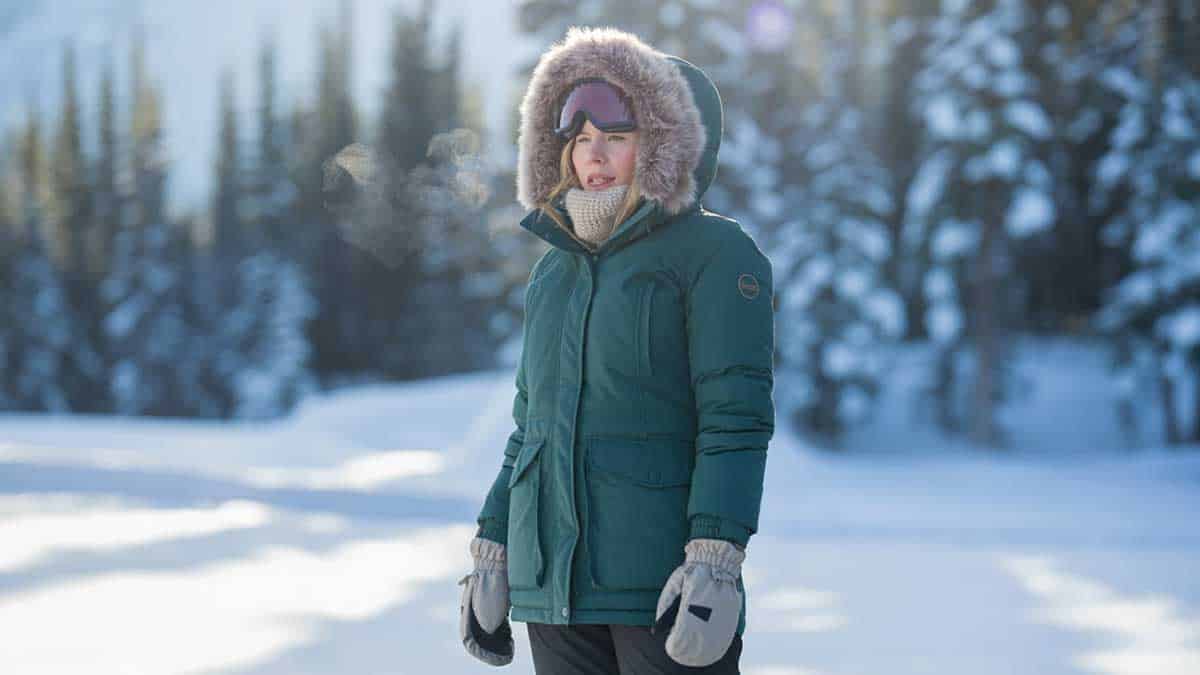
Cold in the mountains rarely behaves the way we expect. You can walk uphill for twenty minutes feeling comfortable, then feel chilled within seconds once you stop. Wind exposure and altitude amplify that sensation, and snow often adds humidity that makes everything feel sharper than the forecast suggests.
What makes the difference is not piling on clothes, but understanding how your body reacts to effort, pauses, and airflow. This guide focuses on practical layering choices, not marketing promises. The goal is simple: stay dry, stay mobile, and stay comfortable long enough to enjoy the mountains rather than fighting them.
Solo female travel: a simple guide to feel safe, social, and fully yourself
Lascaux IV in 2026: the 10th anniversary dates worth planning around
Why mountain cold feels different
Mountain cold is rarely constant. It moves with the wind and shows up at the worst moments, usually when you pause. Altitude sharpens the air, and even mild temperatures can feel harsh when exposure increases. Snow and humidity often add a damp chill that settles in quickly.
In most cases, moisture is the real problem. A bit of sweat inside your clothing may seem harmless while moving, but it becomes uncomfortable the moment your pace drops. When that happens, your body loses heat fast. Staying dry is often what separates a relaxed day from a long one.
Layering, but the way people actually use it
Layering works best when it feels intuitive. The goal is not to stack heavy clothing and hope for the best. It is to build a system you can adjust in seconds as conditions change. When layers work together, you stop thinking about them.
A good setup follows a simple logic. Each layer has a clear role, and none of them should feel excessive on its own. Flexibility matters more than thickness, especially in terrain where effort and exposure constantly alternate.
Base layer: keeping your skin dry
Your base layer is not meant to feel warm. Its job is to move moisture away from the skin so sweat does not linger. When this layer works, everything else feels easier.
Look for fabrics that dry quickly, breathe well, and fit close without restricting movement. Avoid cotton whenever possible. Cotton holds moisture and cools down fast, which is exactly what you want to avoid once you stop moving.
Mid layer: warmth you can control
The mid layer provides insulation, but it should never trap heat uncontrollably. This is where many people overdress. Controlled warmth works better than heavy insulation worn all day.
For active days, lighter fleece or breathable insulation works well. For long breaks or cold descents, a warmer layer in your backpack makes more sense. Fleece breathes easily, synthetic insulation handles mixed conditions, and down performs best in cold, dry weather.
Outer layer: wind protection changes everything
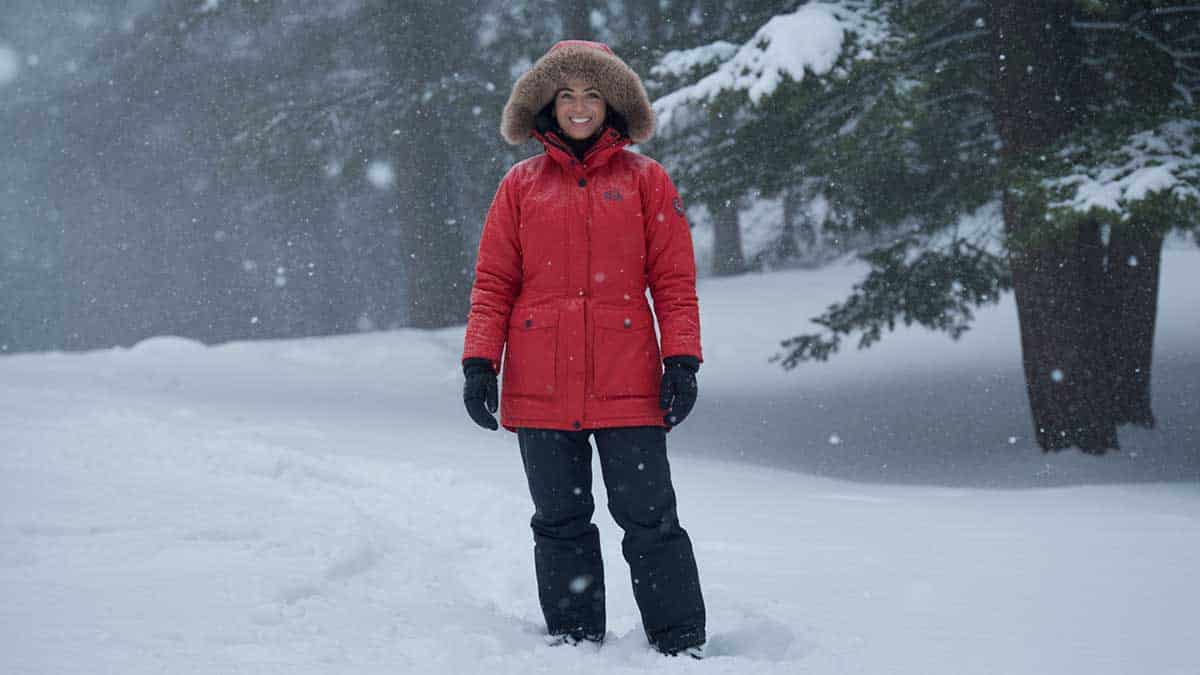
Wind is often what turns cold into discomfort. A good outer layer acts as a protective barrier, blocking wind and handling snow while still allowing heat to escape.
Ventilation matters. Zips, adjustable cuffs, and a well-fitted hood help regulate temperature. You do not always need heavy waterproofing. Wind resistance and breathability often matter more on cold, dry days.
Dressing for skiing, snowshoeing, and winter hiking
Each winter activity creates a different balance between effort and exposure. Skiing alternates movement and stillness. Snowshoeing and winter hiking are steady and often sweaty. Slow winter walks involve little effort but long exposure. Adapting layers to rhythm is key.
Skiing and snowboarding: movement, then stillness
Skiing pushes your body in cycles. You work hard on the run, then sit still on the lift. That makes breathability just as important as insulation. Too much warmth under a shell often leads to sweat and discomfort.
A practical setup includes a breathable base layer, moderate insulation, and a windproof shell. Carrying a dry neck gaiter or buff can make a noticeable difference. Swapping a damp layer around the neck often restores comfort fast.
Snowshoeing and winter hiking: start cooler than expected
Snowshoeing and hiking can feel cold at the start, but effort builds quickly. Dressing too warmly from the beginning usually leads to sweat within minutes. Starting slightly cool helps regulate temperature once you climb.
Many experienced hikers open zips early and add insulation only when stopping. A light base layer, breathable mid layer, and vented shell create a setup that adapts well. Timing matters more than thickness.
Slow winter walks: warmth that lasts
When moving slowly through snowy towns like Chamonix or Banff, your body produces less heat. Here, insulation becomes more important than breathability. Comfortable warmth allows you to stay outside longer without fatigue.
Warm mid layers, wind protection, and accessories that feel good for hours make a difference. Socks should keep feet warm without compressing them, and gloves should stay comfortable during long pauses.
Three mistakes that quietly ruin comfort
The first mistake is dressing too warmly at the start. If you feel perfectly warm while standing still, you are likely overdressed for the climb. Slight coolness at the start usually leads to better balance later.
The second mistake is neglecting hands, feet, and head. Cold extremities can end a day early, even when your core feels fine. Proper gloves and socks matter as much as jackets.
Guimarães 2026: Portugal’s Green Capital you’ll actually enjoy
Greece, Croatia, Albania: three neighbors, three very different travel moods for 2026
The third mistake is wearing bulky layers that restrict movement. Stiff clothing reduces circulation and increases fatigue. Ease of movement supports warmth more than people realize.
Quick layering guide for real conditions
| Activity | Common issue | Layering approach that works |
| Alpine skiing | Wind and long pauses | Breathable base, moderate mid, windproof shell, warm layer in bag |
| Snowshoeing | Sweat buildup | Light base, breathable mid, vented shell |
| Winter hiking | Changing intensity | Modular layers, easy zips, spare insulation |
| Slow winter walks | Low effort and exposure | Warm mid layer, wind protection, insulated accessories |
The simple rule that changes everything
Cold is not something you defeat by adding thickness. You manage it by staying dry, cutting wind, and adjusting layers before discomfort sets in. Anticipation beats reaction every time.Once this logic clicks, winter feels easier. Breaks become enjoyable. Chairlift rides stop feeling like endurance tests. The mountains regain their calm, crisp energy. That comfort is what lets you focus on the experience instead of the temperature.