
Summary:
- Elevation sells when the basics are solid: clear access, safe routes, reliable conditions.
- Trail trips follow a different rhythm, run, eat, recover, then repeat.
- Big race weeks boost visibility, but they can also stress parking, trails, and locals.
- A few practical habits keep places runnable and welcoming, without turning nature into a stage set.
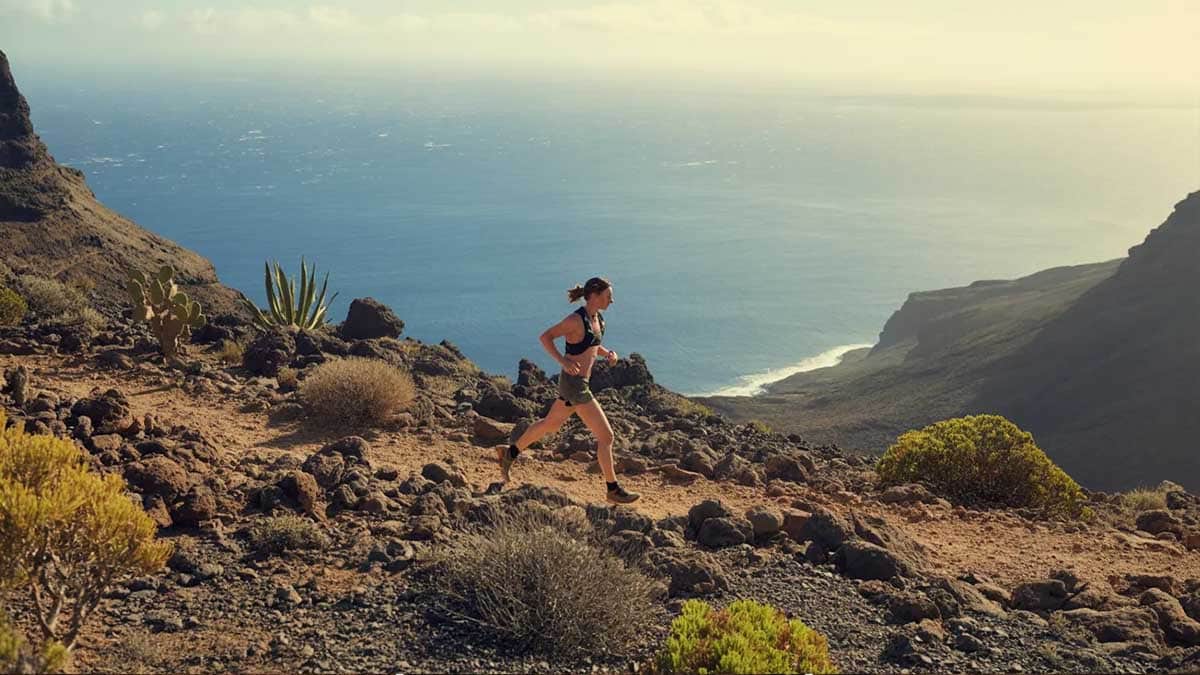
Not long ago, an “active trip” often meant a city marathon, a cycling weekend, or a short run before breakfast on a beach holiday. Trail travel works differently. People choose a destination because they want ridgelines, long climbs, and technical descents, and they care as much about conditions as they do about views. That is why islands like Gran Canaria are framed as winter training playgrounds, and why alpine towns talk about routes and elevation profiles as if they were part of the local menu.
That shift can help regions that never wanted mass tourism. It can stretch the season, support small businesses, and bring visitors who actually spend time outdoors. Still, the downside shows up fast when everyone runs the same famous loop. Parking fills early, trails widen when people cut corners, and villages get hit with a sudden rush. Trail runners are often respectful, but high volume is high volume, even when intentions are good.
When steep becomes the plan, not the problem
There’s something funny about trail travel: what many tourists avoid, steep terrain, is exactly what runners chase. In plenty of mountain regions, the landscape used to be a constraint. Fewer easy activities, fewer big roads, fewer “simple” packages. Trail running flips the logic. The climb is the experience, and difficulty becomes part of the appeal, not a drawback.
And it is not only about scenery. Trail travelers buy repeatable conditions. They want to plan sessions, recover well, then do it again tomorrow. That is why destinations with mild winters and varied terrain, like the Canary Islands, keep showing up on winter training radars. A good trail destination feels effortless to use, even if the routes themselves are hard.
What trail travelers actually look for:
- Reliable weather (or at least predictable patterns)
- Readable logistics (trailheads, signage, safety info, water points)
- Route variety (short loops, long days, technical options, easier runs)
- A landscape that feels earned, not curated
The real itinerary: run, eat, recover (repeat)
A trail trip rarely follows the classic tourist pattern of museums, shopping, late dinners, then a morning stroll. It’s built around effort. People often run early, eat properly, rest, then either run again or walk, stretch, and keep things quiet. That rhythm sounds simple, but it changes everything from booking choices to where money gets spent. The day is shaped by fatigue and recovery, not by a checklist of attractions.
Spending tends to cluster around practical needs:
- Accommodation that supports rest, quiet rooms and good sleep
- Food that is filling and easy to digest, simple calories that work
- Transport to trailheads, car rental, shuttles, taxis
- Small services, laundry, quick supplies, sometimes physio or massage
- Gear and nutrition top-ups, headlamp batteries, layers, gels
Trail travelers do not necessarily spend more than other tourists, they just spend differently. Many skip nightlife and souvenir shopping because they are tired, or because the next morning matters more. The economic impact can still be strong, but it often spreads out into villages, valleys, and trailhead areas, not only city centers.
Quick comparison table: city race trip vs trail trip
| Topic | City race travel | Trail travel |
| Main draw | Iconic event plus urban vibe | Terrain plus routes plus nature time |
| Daily rhythm | Tourism first, race on one day | Training and recovery for several days |
| Spend focus | Central hotels, restaurants, attractions | Logistics, food, gear, transport to trails |
| Pressure point | City centers | Trailheads, parking, sensitive paths |
Race week spotlight, and the stress that comes with it
Big events can give a destination instant visibility. UTMB in Chamonix is a reference point for many runners, and it puts the Mont Blanc region in front of a global audience each year. Events like Transgrancanaria on Gran Canaria, or Grand Raid de La Réunion (often linked to the “Diagonale des Fous”), do something similar: they create a story, a challenge, a reason to travel that goes beyond scenery.
But race weeks also concentrate pressure in a short window. It is not only runners. It’s also family, crews, volunteers, spectators, rental cars, extra waste, and full buses. Small towns can feel saturated quickly, even when organization is strong. If you have ever arrived in a mountain village during a major race week, you know the signs: packed cafés at dawn, traffic where there is usually none, and trailheads that suddenly look like commuter stations.
What tends to change during major race weeks:
- Accommodation demand spikes, availability drops fast
- Parking and road access become bottlenecks, especially at trailheads
- Trails see concentrated wear, even on sections that usually handle foot traffic well
- Locals feel the impact most, noise, congestion, and crowded public space
Events are not “bad” by default. They can support local jobs, build identity, and bring visitors outside peak holiday periods. Still, the long-term win comes from planning limits early, not after damage or frustration becomes normal.
Keep trails runnable, keep places lovable
Trail running is built on nature, and that makes it fragile. People like to think a runner leaves nothing behind, but repeated foot traffic on narrow paths adds up. The most common damage is also the most avoidable: shortcuts. When people cut switchbacks, trails widen, erosion accelerates, and maintenance becomes harder each season. It does not take years. It can happen in weeks, especially on loose or steep ground.
The pressure usually shows up in predictable places:
- Switchbacks where people cut “just once”, then everyone follows
- Trailheads with limited parking, noise, and litter risk
- One famous loop that becomes the default for every visitor
The encouraging part is that prevention does not require heavy-handed control. It mostly requires clear rules, good information, and a little self-discipline from visitors. If the experience stays smooth, people follow the system more willingly.
A simple code for responsible trail travel
- Stay on the marked path, even if the shortcut looks tempting
- Rotate routes, do not all run the same famous loop every day
- Spend locally outside the big weekend, small purchases still count
- If you fly in, consider staying longer, fewer moves, deeper visit
A simple checklist for destinations
- Trailhead info that is actually usable, access, rules, safety, water
- Maintenance budgets that match visitor numbers, not wishful thinking
- Parking management or shuttles where needed, especially in hotspots
- A year-round plan, so the economy is not tied only to race week
Trail running is changing travel choices by making relief and routes the main attraction. For places like Gran Canaria, Chamonix, and La Réunion, it can extend the season and support a more distributed local economy, especially when visitors come for repeated training blocks rather than a single photo stop.
The condition is simple: protect what people come for. Keep trails runnable, keep access sensible, and keep the local atmosphere intact. Done well, trail tourism can feel like a fair exchange, visitors get their mountains, and the mountains still look like mountains next year.