
Summary:
- The standout fossils and cosmic relics displayed inside.
- How the galleries retrace Earth’s transformation step by step.
- What to expect from the immersive theatre and special exhibitions.
- Why Saadiyat Island is becoming a key cultural destination.
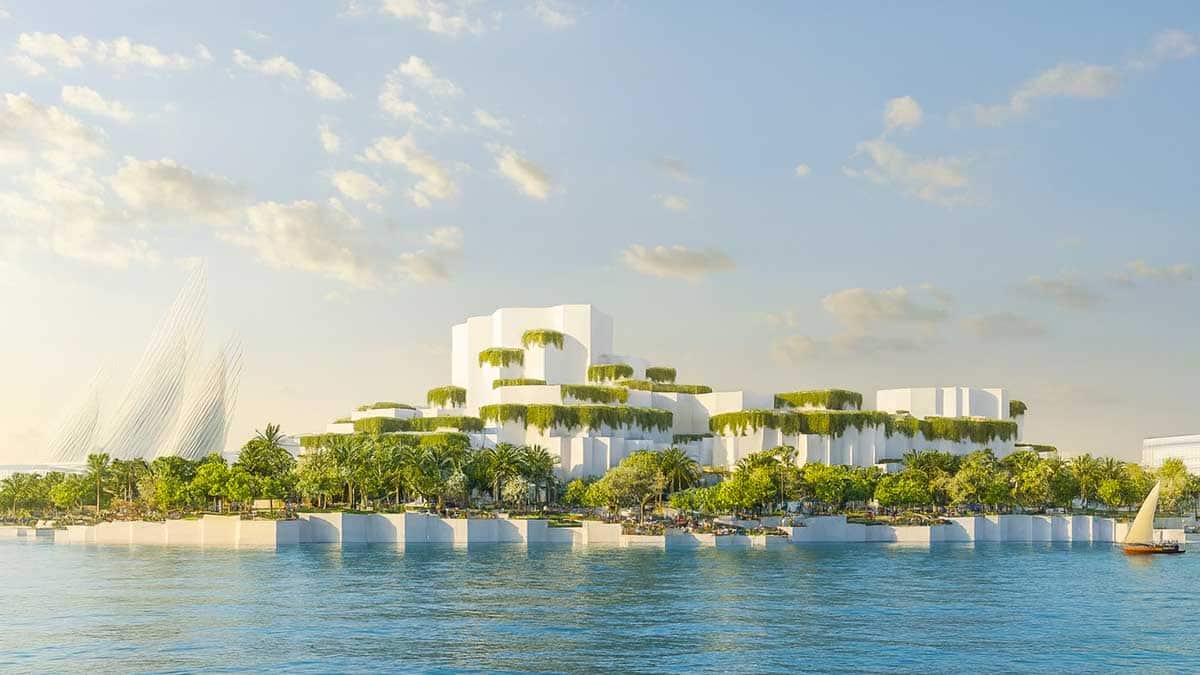
Travelers arriving in Abu Dhabi often expect modern architecture and coastal views, yet many are surprised to find a museum that brings them back to the earliest moments of the universe. Located in the Saadiyat cultural district, the Natural History Museum Abu Dhabi stretches across 35,000 square meters and guides visitors through the story of space, Earth and life in a clear, accessible way.
This article highlights what makes this institution worth a stop, from its star specimens to its themed galleries and immersive features. It offers a simple overview of what you will find inside and why it matters for curious travelers looking for meaningful cultural experiences. Let’s dive in.
A journey through time, from stars to early life
The museum’s path follows a chronological timeline that helps visitors understand how the universe formed and how Earth changed across billions of years. Each zone focuses on a specific period and uses visuals rather than long explanations, creating a smooth and engaging flow for the visitor.
Key gallery themes
- Origins of the universe
This section presents the Big Bang, the formation of stars and the birth of the solar system through projections and scientific artefacts that are easy to interpret. - Earth taking shape
Here, travelers discover how continents moved, climates shifted and landscapes formed. The displays show how the planet evolved using clear geological evidence. - Life appearing and changing
Fossils, models and visual sequences retrace the rise and disappearance of species, giving a clear view of key evolutionary steps without unnecessary complexity. - Understanding today’s biodiversity
This area highlights present-day species and habitats. It focuses on their diversity and adaptation, making it accessible even to visitors unfamiliar with scientific concepts.
Traveler’s note
If you prefer learning visually or through interactive elements, you will find this museum particularly easy and pleasant to explore.
Star specimens you won’t forget
The museum stands out for its collection of iconic pieces that combine scientific value with strong visual impact. These specimens help visitors understand Earth’s past through concrete, observable objects.
Stan the Tyrannosaurus rex
One of the most complete T. rex skeletons ever discovered is displayed here. “Stan,” estimated at 67 million years old, is presented in a dynamic posture that catches attention and gives a real sense of scale and presence.
The 25 meter blue whale
A full-size representation of a female blue whale shows the dimensions of one of the largest animals on Earth. Its position inside the museum offers visitors a striking moment of contrast and perspective.
The Murchison meteorite
This meteorite contains grains older than the solar system, giving travelers a rare opportunity to see material formed billions of years before Earth existed. It creates a direct, tangible link with the earliest stages of the universe.
Local focus
A dedicated area highlights the natural history of the Arabian Peninsula, including fossils and geological formations specific to the region. It helps visitors connect global narratives with local landscapes and species.
Immersive experiences to understand the Earth
To make complex ideas easier to understand, the museum uses technology in a measured and thoughtful way. Its interactive theatre recreates natural phenomena through sound, motion and projected imagery, allowing visitors to observe events such as volcanic activity or deep marine environments.
This approach is ideal for travelers who enjoy learning by watching rather than reading long scientific explanations. It turns abstract concepts into clear, memorable moments.
Budget insight
Ticket prices remain accessible for most visitors, which makes this museum a good option for families, couples and solo travelers looking for a cultural activity in Abu Dhabi. It can easily fit into a half day in the Saadiyat cultural district.
A cultural hub with changing exhibitions
To mark its opening, the museum features two international temporary exhibitions. Among them is Wildlife Photographer of the Year, a renowned showcase of wildlife photography that highlights species and landscapes from around the world.
These rotating events bring fresh perspectives with each visit and encourage travelers to return, since the museum’s program changes over time. It reinforces Saadiyat Island’s role as a cultural hub in Abu Dhabi.
The Natural History Museum Abu Dhabi offers visitors a clear and engaging way to explore billions of years of history in a single afternoon. With its impressive specimens, well-structured galleries and immersive features, it provides a thoughtful cultural stop for anyone visiting the UAE. If you enjoy discovering new places while learning something concrete, this museum is worth adding to your travel plans.Curious to find more cultural ideas? Start here and keep exploring.